A pulley is a widely used mechanical component that helps transfer force, lift loads, and control movement in various applications. From simple household devices to complex industrial machinery, pulley systems improve efficiency by changing the direction of force or reducing the effort required to move heavy objects.
What is a Pulley
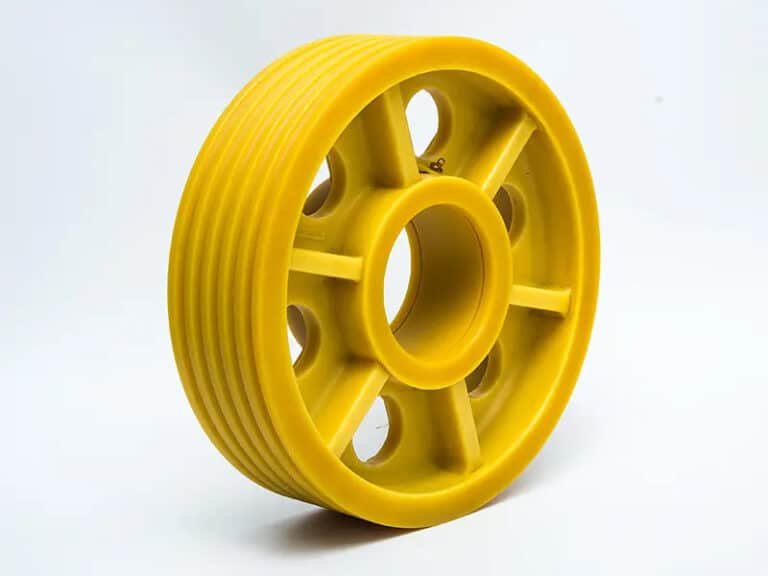
A pulley is a fundamental simple machine made up of a grooved wheel that rotates around a central axle. A rope, belt, or cable runs through the groove, allowing users to lift or move heavy loads with reduced effort. The basic components include the wheel, the axle, and the flexible rope or cable. This ingenious device has been used for centuries to change the direction of force and make lifting easier.
How Does a Pulley Work?
When you pull one end of the rope, the wheel turns on its axle, redirecting the force to raise the load attached to the other end. The groove keeps the rope securely in place during operation. A single pulley primarily changes the direction of the applied force, making it more convenient to lift objects from the ground. By combining multiple pulleys into a system, you can create more supporting rope segments, which significantly reduces the force needed to lift a heavy object. While the required effort decreases, the total work done remains the same, depending on the weight of the load and the vertical distance it travels. Learn more about how does pulley work.
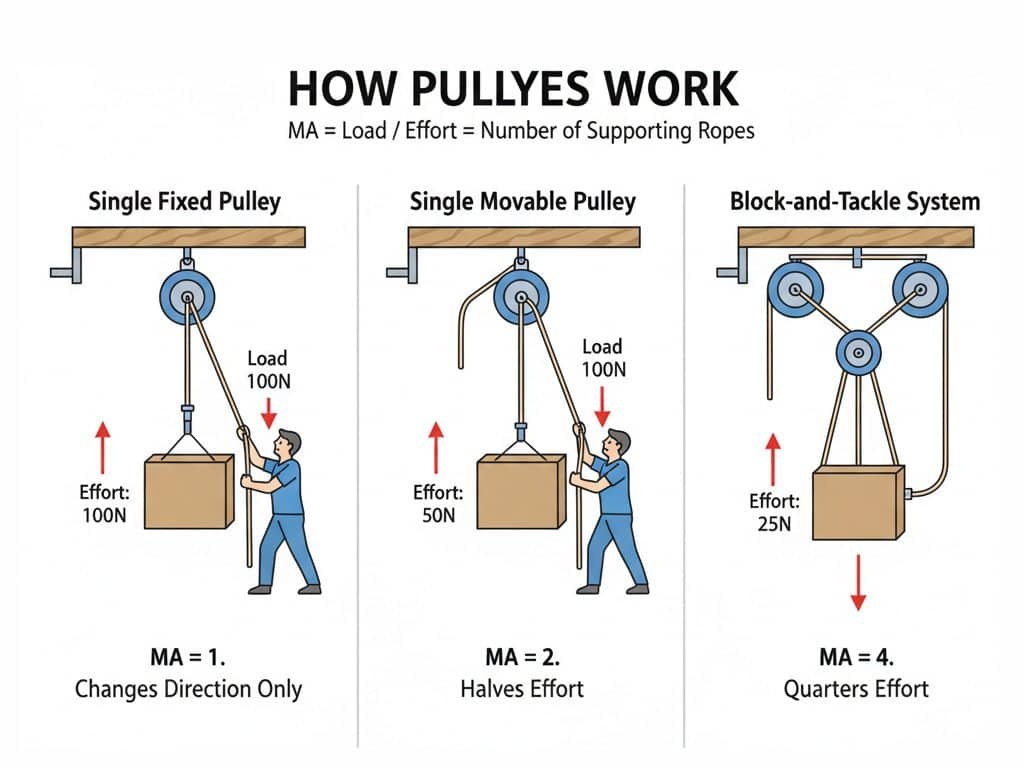
Mechanical Advantage of a Pulley
Mechanical advantage describes how effectively a pulley system reduces the effort needed to move a load.
The ideal mechanical advantage (IMA) of a pulley system is calculated by comparing the load force with the applied effort:
Mechanical Advantage = Load Force ÷ Effort Force
A higher mechanical advantage means less force is required to lift the load. However, this benefit comes with a trade-off: the rope or cable must travel a longer distance.
For example, a single fixed pulley usually has a mechanical advantage of 1, meaning the effort required is approximately equal to the load weight. A compound pulley system with multiple supporting rope sections can achieve a higher mechanical advantage and significantly reduce the lifting force.
In practical applications, the actual efficiency of a pulley system may be affected by factors such as:
- Friction between the rope and pulley groove
- Bearing performance
- Pulley material and surface finish
- Load distribution
- Operating speed and environment
Types of Pulleys
Pulleys can be classified based on how the wheel and rope system are arranged. The three main types are fixed pulleys, movable pulleys, and compound pulleys.
Fixed Pulley
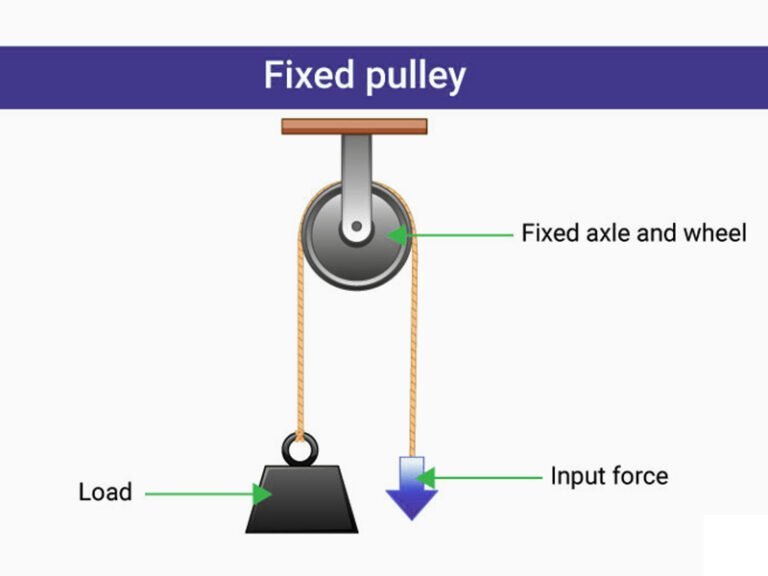
A fixed pulley is attached to a stationary support, such as a ceiling or beam. The wheel rotates in place while the rope slides over it to lift the load. This type does not reduce the amount of force needed — the effort roughly equals the weight of the load — giving it a mechanical advantage of 1. It is mainly used to change the direction of the pulling force for greater convenience.
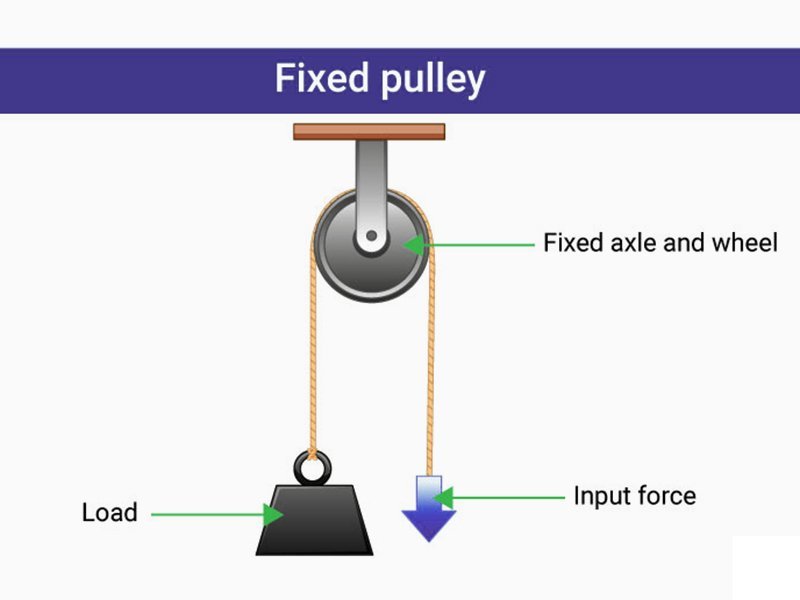
Common examples include flagpoles, window blinds, clotheslines, and traditional water wells.
Movable Pulley
In a movable pulley, the wheel is attached directly to the load, allowing both to move together. One end of the rope is fixed, while the other is pulled. This design offers a mechanical advantage of 2, halving the effort required, though the pulley’s own weight adds slightly to the total load. It works best when the lifting point is above the user.
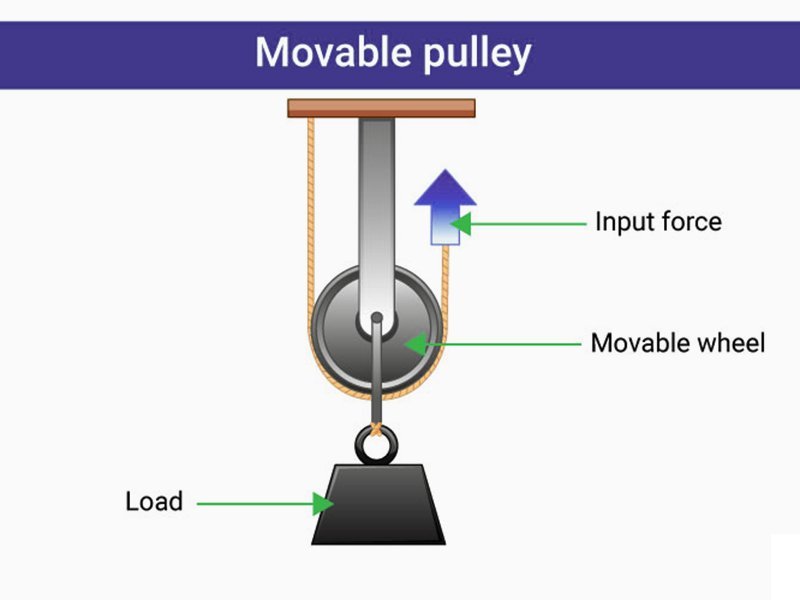
A typical application is found in zip lines, lifting equipment, and material handling devices.
Compound Pulley
Also known as a block and tackle system, a compound pulley combines both fixed and movable pulleys. This setup multiplies the mechanical advantage, often exceeding 2 depending on the number of pulleys used. It dramatically reduces the effort needed to lift heavy loads, making it ideal for industrial applications. The trade-off is that more rope length is required, increasing the pulling distance and time.
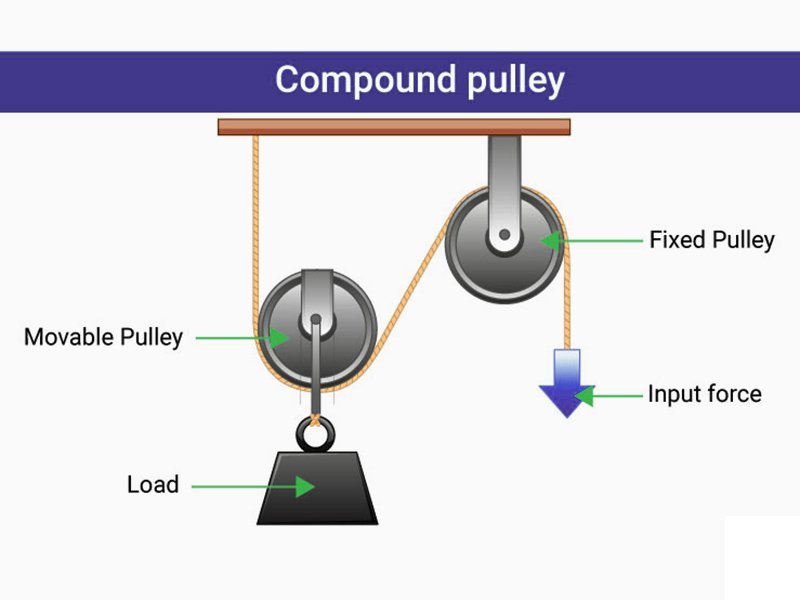
Examples include construction cranes, modern elevators, exercise machines, and heavy cargo lifting systems.
For more information about different pulley types, applications, and selection considerations, check out our complete guide.
Common Applications of Pulleys
Pulleys are widely used in mechanical systems where controlled movement, lifting, or force transmission is required. They are everywhere in daily life and industry.
Industrial Equipment
Pulleys are used in lifting systems, conveyors, cranes, and material handling equipment to move heavy loads safely and efficiently.
Elevators and Lifting Systems
Elevators use pulley-based systems together with motors and cables to move passenger cabins vertically.
Construction Equipment
Large pulley systems are essential components in cranes and hoisting equipment used for moving heavy construction materials.
Exercise Machines
Fitness equipment uses pulley systems to guide resistance cables and provide controlled movement during workouts.
Transportation Systems
Sailboats use pulleys to raise and control sails, allowing sailors to manage large fabric surfaces with less effort.
Household Applications
Smaller pulley systems are commonly found in:
- Window blinds
- Clotheslines
- Curtains
- Water wells
Entertainment Equipment
Theatre stage systems use pulley mechanisms to raise and lower curtains, lighting equipment, and stage components.
Flexiparts Provides Custom Pulley Manufacturing Solutions
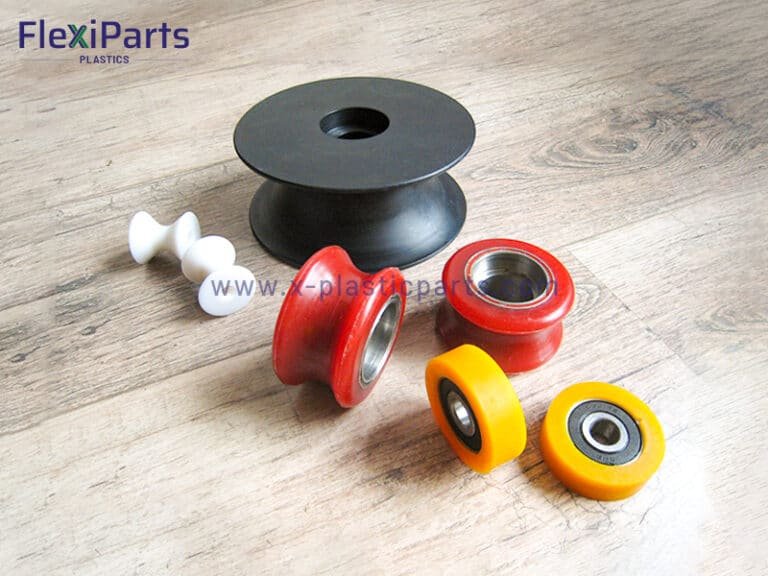
For applications requiring specific dimensions, load requirements, or operating conditions, standard pulleys may not always meet the performance requirements. Flexiparts provides custom pulley manufacturing services to develop pulleys based on customer drawings, specifications, and application needs.
Custom pulley solutions can be optimized for:
- Specific diameter and groove dimensions
- Different rope, cable, or belt designs
- Required load capacity
- Wear resistance requirements
- Lightweight structural designs
- Special operating environments
Whether you need reinforced materials for heavy-duty applications, specific groove dimensions, corrosion-resistant designs, or integrated systems for complex machinery, Flexiparts provides personalized engineering support.
The manufacturing process can include CNC machining, injection molding, and other precision manufacturing methods depending on production volume and material requirements.
Conclusion
Understanding different pulley types, mechanical advantages, and material options helps select the right solution for their projects. For applications requiring customized dimensions, materials, or performance requirements. Flexiparts provides custom pulley manufacturing services based on customer drawings, specifications, and application needs. Contact Flexiparts today and send us your pulley drawings or project requirements for a professional evaluation and customized solution.