Table of Contents

Rubber Stopper Guide: Types, Materials, Uses, and Custom Selection

A rubber stopper is a flexible component used to close openings in containers and equipment. It creates a secure seal that prevents the passage of liquids, gases, or contaminants. Many industries use rubber stoppers because rubber provides flexibility, compression resistance, and sealing capability that rigid materials cannot easily achieve. From laboratory containers and medical equipment to automotive components and industrial machinery, rubber stoppers are available in different shapes and materials to meet specific requirements.

What Is a Rubber Stopper?

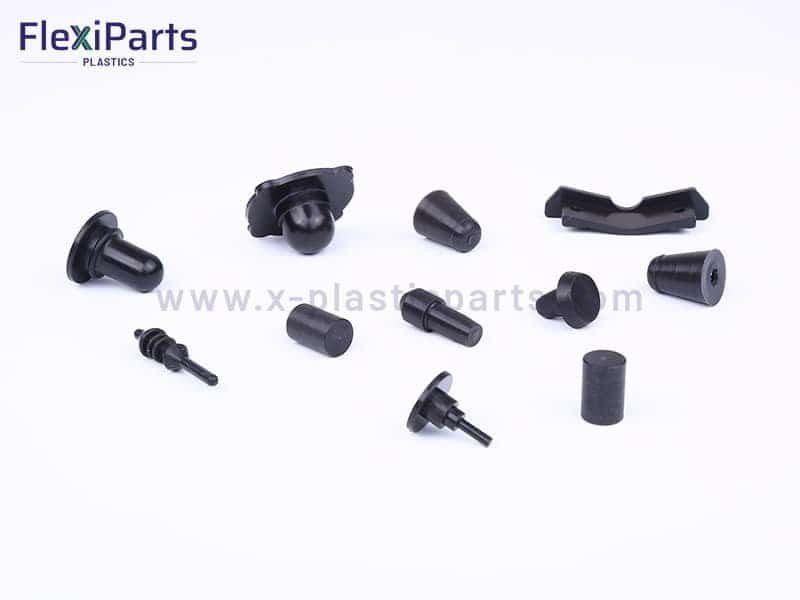
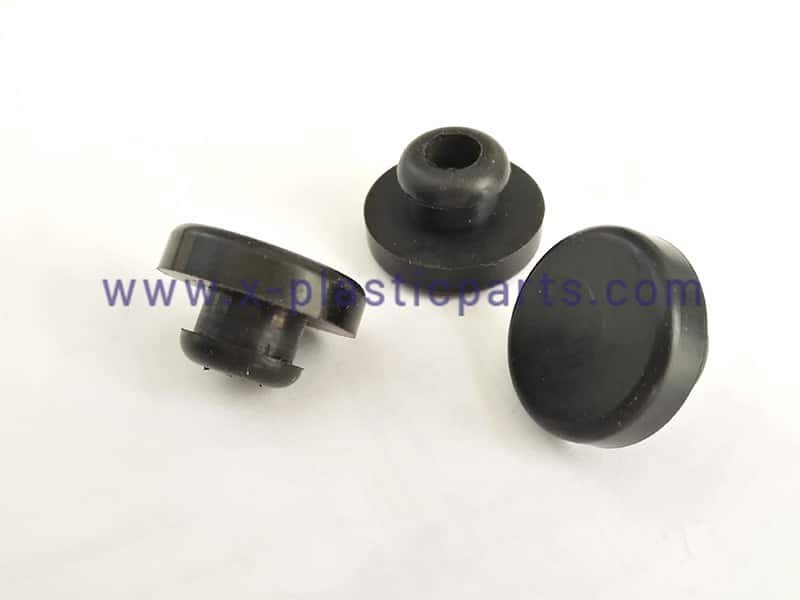
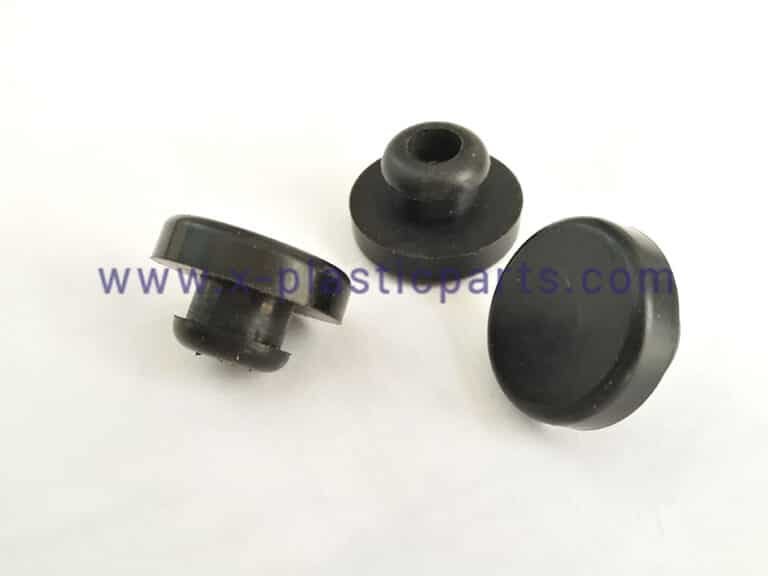
A rubber stopper consists of an elastic material formed into a cylindrical or tapered shape. The design allows it to fit into the neck of a container and compress to form a tight closure. Basic structure includes a solid body or one with holes drilled through it. The taper on many models helps achieve a secure fit across a range of opening sizes.

Unlike simple caps that cover the outside of a container, a rubber stopper is often inserted into an opening. The elasticity of rubber allows the component to deform slightly during installation, creating continuous contact pressure and improving sealing performance.
Rubber Stopper

Benefits of Using Rubber Stoppers

Rubber stoppers form airtight and watertight seals that reduce the risk of leaks and spills. This feature supports accurate results in controlled environments and protects stored contents from external factors. The material resists many chemicals, oils, and temperature variations depending on the specific rubber compound. Users can reuse them in many applications, which lowers replacement costs over time. Availability in multiple sizes and configurations makes them suitable for different tasks without requiring specialized tools for installation or removal. In addition, rubber stoppers help maintain pressure levels inside containers and limit exposure to air or moisture.

Common Types of Rubber Stoppers

Different applications require different rubber stopper designs. The selection usually depends on sealing requirements, installation methods, and operating conditions.

Solid Rubber Stoppers

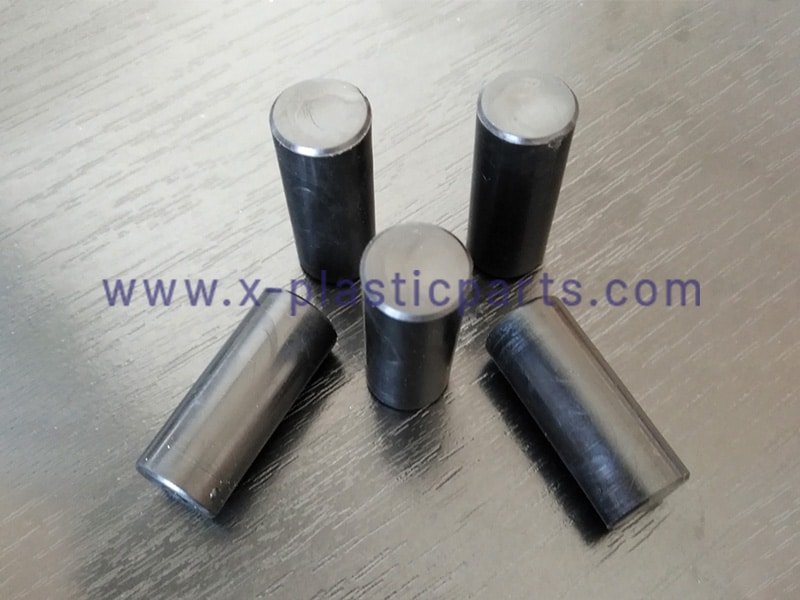
Solid rubber stoppers have a complete body with no holes. They provide a full seal for containers where no additional tubing or instruments are required. These stoppers work well for basic storage and simple closure needs. Their design focuses on maximum containment and ease of use in standard laboratory glassware or bottles.
Solid Rubber Stoppers

One-Hole Rubber Stoppers

One-hole rubber stoppers include a single passage through the body. This opening accommodates tubing, pipettes, or probes for controlled transfer of liquids or gases. They support procedures that require input or output while maintaining an overall seal. This type is common in experiments involving distillation or gas collection.
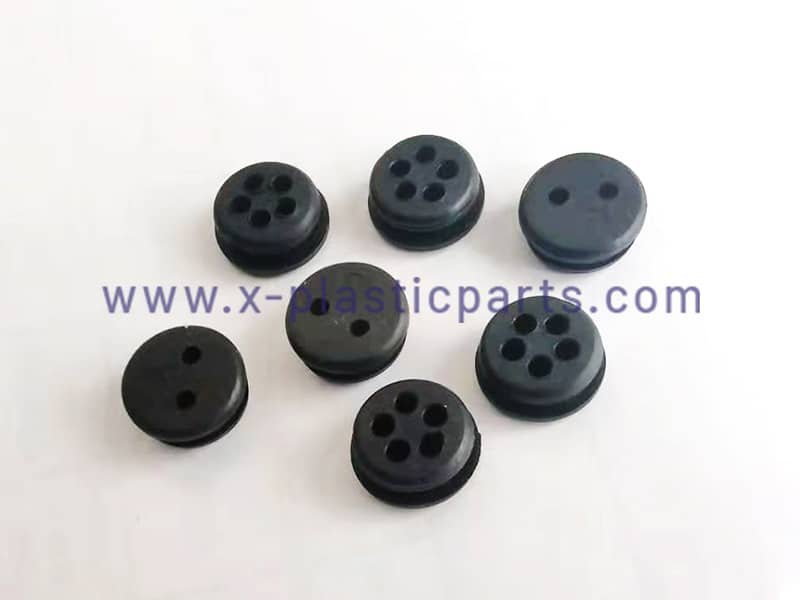
Hole Rubber Stopper

Two-Hole Rubber Stoppers

Two-hole rubber stoppers feature two separate passages. The configuration allows simultaneous connections for multiple functions, such as adding reagents while releasing pressure. They suit more complex laboratory setups and certain industrial processes that need coordinated flows.

Custom Rubber Stoppers

Custom rubber stoppers are produced according to specific requirements. They can include unique dimensions, hole patterns, shapes, or material formulations not available in standard catalogs. Flexiparts creates custom rubber stoppers for specialized equipment, non-standard container sizes, or demanding conditions such as extreme temperatures or aggressive chemicals.
Common Rubber Stopper Materials

The performance of a rubber stopper depends largely on the rubber compound used during manufacturing. Different materials provide different levels of temperature resistance, chemical compatibility, flexibility, durability, and mechanical strength.

Silicone Rubber

Silicone rubber is one of the most commonly used materials for rubber stoppers, especially in applications that require flexibility and wide temperature resistance. It can maintain its properties under both high and low temperature conditions and has good resistance to aging, ozone, and moisture. Silicone rubber can provide reliable sealing performance even after repeated compression and deformation. Silicone rubber is also available in food-grade and medical-grade formulations, making it suitable for laboratory, healthcare, and food-related applications.

However, silicone rubber has relatively lower tear strength and abrasion resistance compared with some other rubber materials. It is also not the best choice for applications involving high mechanical stress, sharp edges, or certain types of oils and fuels.

EPDM Rubber

EPDM (Ethylene Propylene Diene Monomer) rubber is widely used for rubber stoppers that require strong resistance to weathering, water, steam, and environmental exposure. It performs well in outdoor applications because of its excellent resistance to ozone and UV radiation.

The limitation of EPDM rubber is its poor resistance to petroleum-based oils, fuels, and hydrocarbon solvents. For applications involving oil contact, another rubber material such as NBR or FKM may be more suitable.

Nitrile Rubber (NBR)

Nitrile rubber, also known as NBR, is commonly selected for rubber stoppers used in environments where oil and fuel resistance are important. NBR provides good oil resistance, good abrasion resistance, and reliable mechanical strength. It is widely used in automotive systems, hydraulic equipment, machinery, and industrial applications where contact with oils or lubricants is expected.

However, NBR has limited resistance to ozone, sunlight, and weather exposure. Without additional protection, long-term outdoor use may cause aging and cracking. NBR also has a narrower temperature resistance range compared with silicone or FKM rubber.

FKM Rubber (Viton)

FKM rubber is a high-performance elastomer used for rubber stoppers that operate under demanding conditions. It provides excellent resistance to chemicals, fuels, oils, and high temperatures. It is commonly used in chemical processing equipment, aerospace components, automotive systems, and industrial applications where standard rubber materials may fail.

However, FKM rubber is more expensive than general-purpose rubber compounds. It also has lower flexibility at very low temperatures, which limits its use in some cold-temperature applications.

Natural Rubber

Natural rubber provides excellent elasticity, tensile strength, and resilience. These properties make it suitable for applications requiring repeated deformation and strong mechanical performance.

However, natural rubber has limited resistance to oils, fuels, ozone, and UV exposure. It is generally not recommended for harsh chemical environments or outdoor applications without additional protection.

What Are Rubber Stoppers Used For?

Rubber stoppers are used in many industries where reliable sealing, protection, and closure are required.

Laboratory and Scientific Equipment

  • Laboratory glass bottles
  • Flasks
  • Test tubes
  • Chemical containers
  • Separatory funnels.

Medical and Pharmaceutical Applications

  • Medicine vials
  • Pharmaceutical containers

Automotive Industry

  • Holes in vehicle body panels
  • Wiring openings and cable passages

Industrial Equipment and Machinery

  • Ports and connection points
  • Inspection holes and access openings

Electrical and Electronic Equipment

  • Cable entry holes
  • Wiring connections
  • Electrical enclosures

Consumer Products

  • Food storage jars or bottles
  • Bathtub or sink stoppers
  • Furniture floor protectors

Plumbing and Pipe Systems

  • pipe
  • drainage systems
  • pipe connections

Chemical and Industrial Containers

  • Sealing chemical storage bottles
  • Closing sample containers

Rubber Stopper vs Rubber Plug vs Rubber Seal

Although these terms are sometimes used interchangeably, they have different design purposes.

FeatureRubber StopperRubber PlugRubber Seal
Main FunctionClose and seal an openingCover or fill a holePrevent leakage between two surfaces
Installation MethodUsually inserted into an openingPress-fit or snap-fitCompressed between mating parts
Common ShapeTapered or cylindricalVarious shapesRing, gasket, or custom profile
Main Performance RequirementCompression sealingProtection and closureLeakage prevention
Typical ApplicationsBottles, laboratory equipment, containersPanels, housings, equipment openingsPipes, machinery, assemblies

How to Choose the Right Rubber Stopper

Choosing a suitable rubber stopper involves several steps.

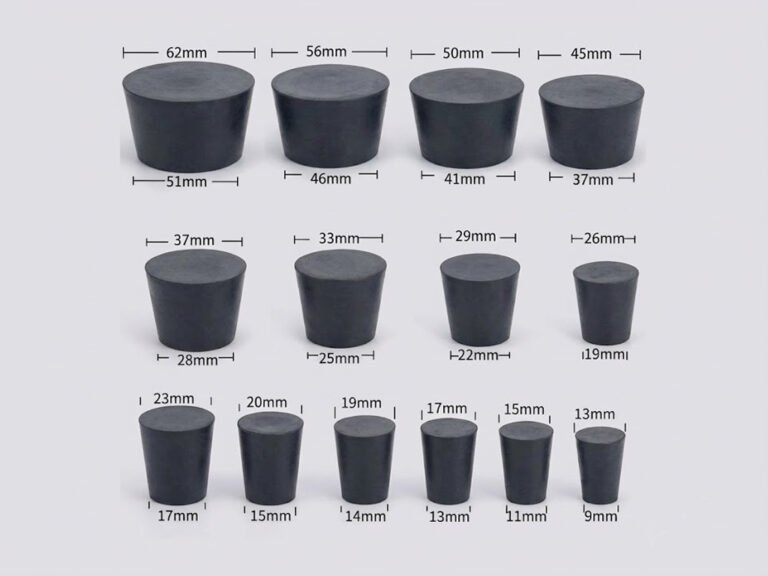
  • First, measure the container opening diameter at the point of contact. Record both top and bottom dimensions if the opening is tapered.
  • Next, decide whether a solid or holed version is needed and specify the number and size of holes.
  • Material selection follows based on exposure details. Review chemical compatibility charts from suppliers. Temperature range and any sterilization requirements also influence the decision.
  • Consider hardness and compression set properties for long-term performance. Tapered stoppers accommodate slight size variations, while straight designs work best with consistent openings.
  • Request samples when possible to test fit and compatibility in the actual application.

Rubber Stopper Size and Design Considerations

Proper design is essential for achieving stable sealing performance.

Dimensional Accuracy

The stopper size must match the opening dimensions. Excessive compression may increase installation force, while insufficient compression may cause leakage.

Rubber Hardness

Hardness affects installation and sealing behavior. Soft rubber is easier to compress and has better adaptability to uneven surfaces

Hard rubber has better structural stability, higher resistance to deformation, and compression design.

Proper Compression Ratio

Too little compression may reduce sealing performance, while excessive compression can shorten service life.

Surface Design

Surface texture, grooves, and ribs can influence installation force, grip strength, sealing reliability, and mold design.

Flexiparts Custom Rubber Stopper Manufacturing

Flexiparts provides custom rubber stopper manufacturing solutions for different industries and product requirements. From initial design evaluation to mass production, the manufacturing process can include:

  • Drawing review
  • Material recommendation
  • Prototype development
  • Rubber molding
  • Quality inspection

If you need a custom rubber stopper solution, send your drawings or specifications to Flexiparts. The engineering team can evaluate your design requirements and provide a suitable manufacturing solution.