
Compression Molding
- Wide material options: EPDM, NBR, Silicone…
- Tight tolerance up to ±0.05 mm
- Fast lead time & global delivery
What is Compression Molding?
Compression molding is a flexible manufacturing process used to create a wide range of products from materials such as plastics, rubber silicone and composites. Such as parts of gaskets, seals, and intricate medical components. It involves placing the material into a heated mold cavity, applying pressure, and maintaining heat until the material cures, solidifies, or achieves the desired shape and properties.
This method is known for its ability to produce complex and precise components with consistent quality. It’s widely used in industries where precision, durability, and cost-effectiveness are crucial, such as automotive, aerospace, and electronics.
Compression Molding Working Process
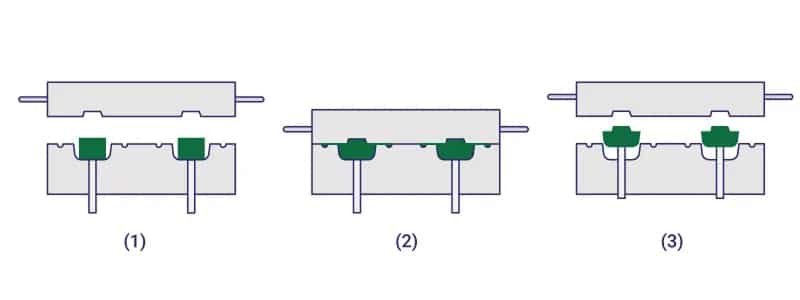
Mold design and Creation
Preparation of Raw Material
Loading and Mold Closure
Heating and Controlled Compression
Curing and Demolding
Thorough Quality Inspection
Conventional Compression Molded Parts Materials
Conventional Compression Molded Rubber Materials
Silicone Rubber Natural Rubber (NR)
EPDM Rubber Styrene-Butadiene Rubber (SBR)
Neoprene Rubber (CR) Nitrile Rubber (NBR)
Butyl Rubber (IIR)
Conventional Compression Molded Plastics Materials
Prolypropylene (PP) UHMWPE
Polyamide (Nylon) HDPE
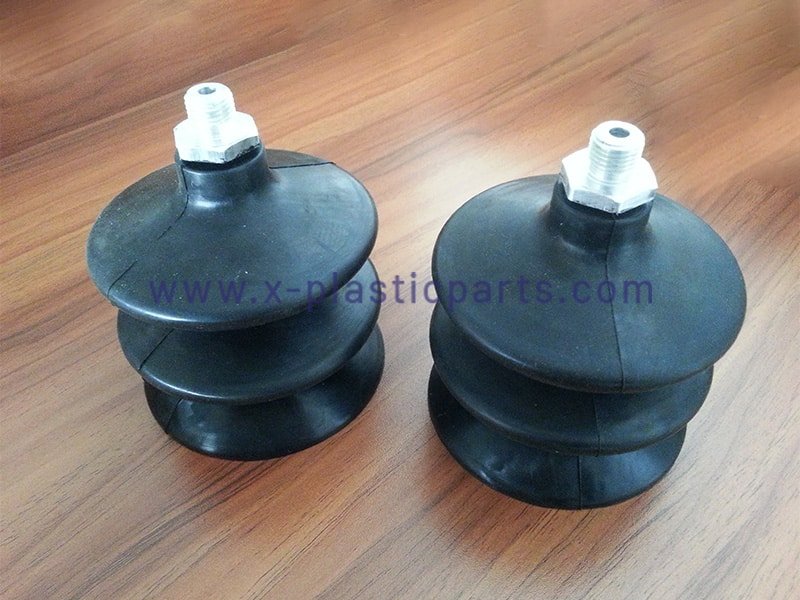
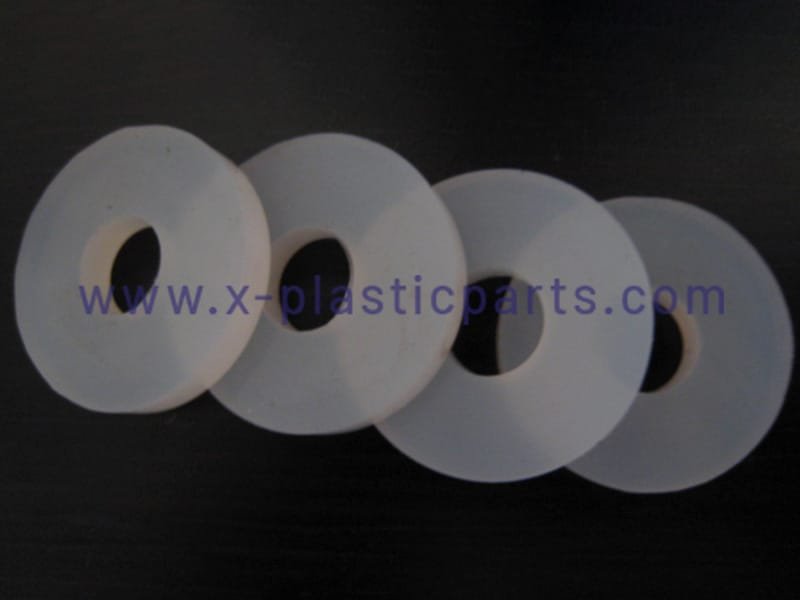
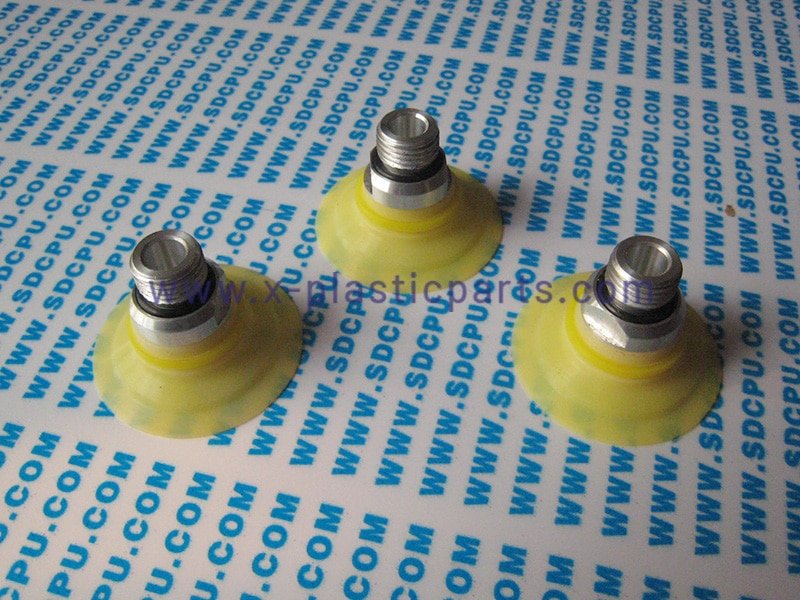
Compression Molded Products We Made
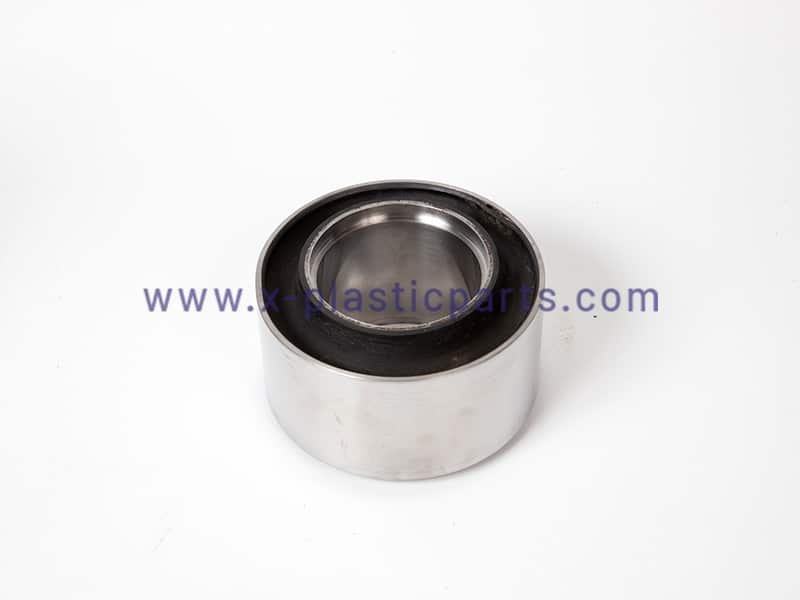
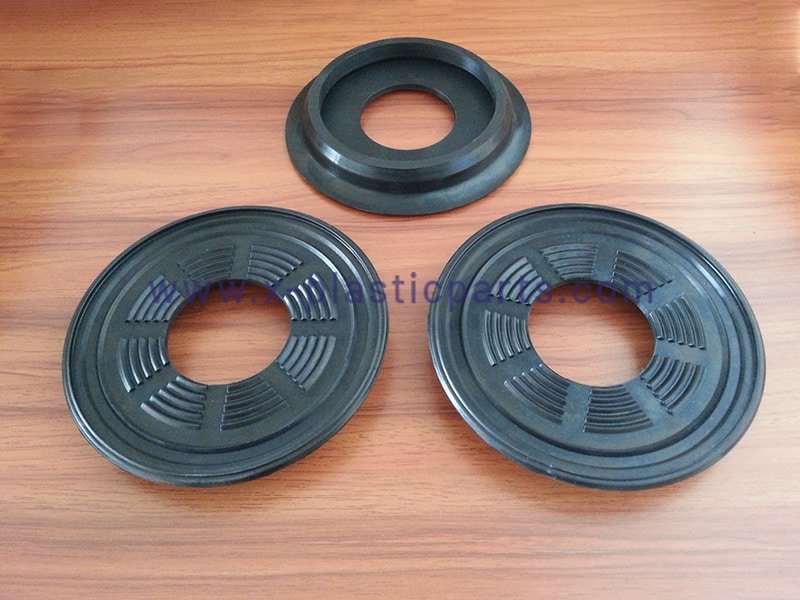
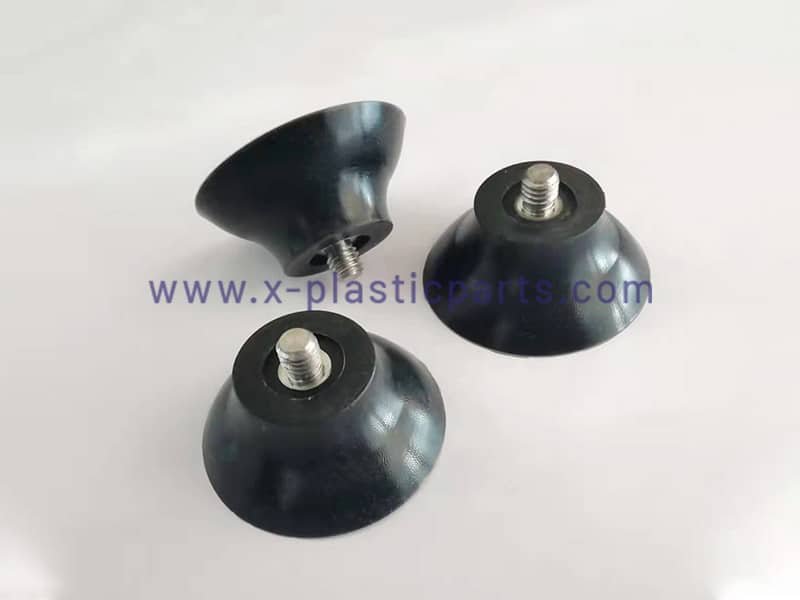
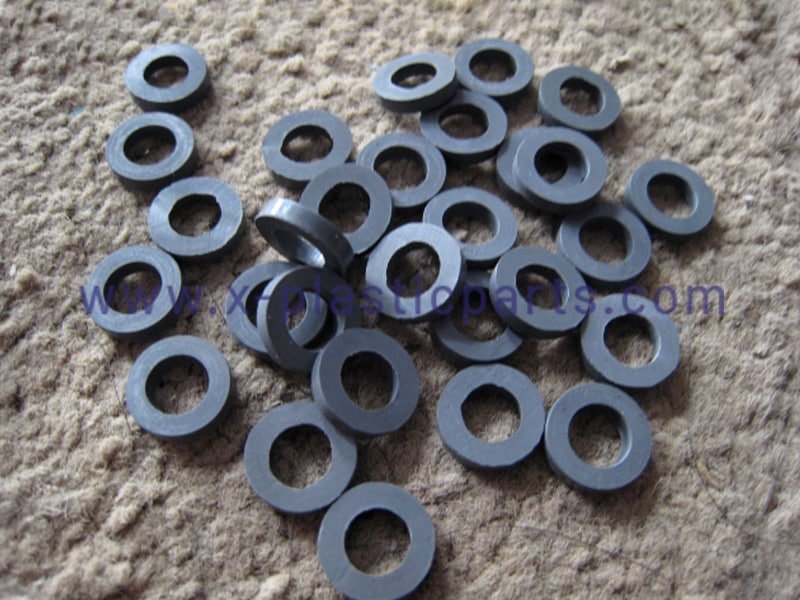

LET’S START A NEW COMPRESSION MOLDED PARTS
Application and Examples of Compression Molding
Automotive Components
- Brake Pads: Compression molding is used to manufacture brake pads for automobiles, ensuring they are durable and heat-resistant.
- Engine Gaskets: Engine gaskets, such as head gaskets and intake manifold gaskets, are often made using compression molding for reliable sealing.
- Rubber Bushings: Rubber bushings for suspension systems and engine mounts are produced through compression molding.
Electrical Insulators
- Switchgear Components: Compression molding is employed to create insulating components used in switchgear assemblies.
- Fuse Holders: Insulating fuse holders that provide electrical safety are commonly produced using compression molding.
- Terminal Blocks: Terminal blocks for electrical connections are manufactured with precision through compression molding.
Medical Devices
- Dental Products: Items like denture bases and orthodontic devices are made using compression molding for biocompatibility.
- Pharmaceutical Packaging: Some types of pharmaceutical packaging, like rubber stoppers for vials, are created through compression molding.
- Medical Gaskets: Compression-molded gaskets are used in medical equipment to ensure sealing and hygiene.
Aerospace Components
- Grommets and Seals: Aerospace applications often require custom grommets and seals, which are precisely manufactured using compression molding.
- Interior Panels: Certain interior components, like panels and trim, are made using this method for lightweight yet durable solutions.
- Cable Insulators: Compression-molded cable insulators are used to protect wiring and ensure electrical safety in aircraft.
Advantages and Disadvantages of Compression Molding
1. Simplicity in Manufacturing
2. Cost-Efficient Tooling
3. Suitable for Large and Thick Parts
4. Versatile for Insert and Multi-Color Molding
1. Potential for Additional Post-Molding Costs
2. Extended Processing Times
3. Limitations in Complex Designs
FAQ About Compression Molding Parts
Compression molding is better for large, thick, or simple-shaped parts, especially rubber or thermoset materials. It is also more cost-effective for lower tooling complexity and certain material requirements.
Yes. Once the mold is ready, compression molding supports stable medium to high-volume production with consistent quality.
Yes. Compression molding usually has lower tooling cost compared to injection molding, making it more economical for certain rubber parts and lower to medium production volumes. It helps reduce overall manufacturing cost, especially for large or simple-shaped components.
Common issues include uneven curing, flash, or dimensional variation. These are controlled through mold design, temperature control, and material formulation.
We typically need drawings, material requirements, application conditions, and estimated quantity to evaluate feasibility and provide a production solution.