
Precision Extrusion Molding Services
What is Extrusion Molding?
Extrusion molding is a continuous manufacturing process where plastic or rubber material is melted and forced through a shaped die to create products with a consistent cross-sectional profile. Plastic extrusion allows the production of long, uniform components such as pipes, profiles, sheets, films, and coated products.
At Flexiparts, we support the full extrusion workflow, from selecting the right thermoplastic material and designing dies, to producing precise extruded parts in the desired lengths and tolerances. Our process ensures high repeatability, excellent dimensional stability, and functional durability for each product.
How Extrusion Molding Process Works?
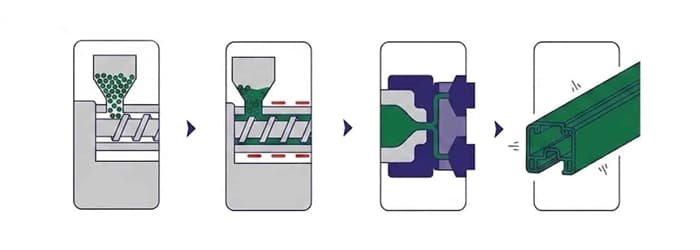
Material Feeding
Melting & Plasticization
Shaping Through Die
Cooling & Solidifying
Pulling & Cutting
Inspection & Quality Control
Common and Complex Extrusion Profiles
“D” Shaped Profiles “e” Shaped Profiles
“Half Round” Profiles “J” Shape d Profiles
“L” Shaped Profiles “P” Shaped Profiles
“T” Shaped Profiles “U” Channel
Tubing and Cord Squares and Rectangles
Materials for Extrusion Molding
Common Plastic Material
A variety of plastic materials are used in extrusion molding, depending on performance requirements such as flexibility, strength, transparency, and chemical resistance.
- PE
- PP
- PVC
- PS
- ABS
- PC
- PMMA
- TPU
- Other Engineering Plastics
High-Quality Rubber Compounds
Selecting the right rubber compound can significantly reduce operating costs and improve product performance. We offer a full range of elastomer materials, including
- CR
- Viton/ FKM
- Silicone
- NR
- NBR / Buna-N
- SBR
- EPDM
- PU
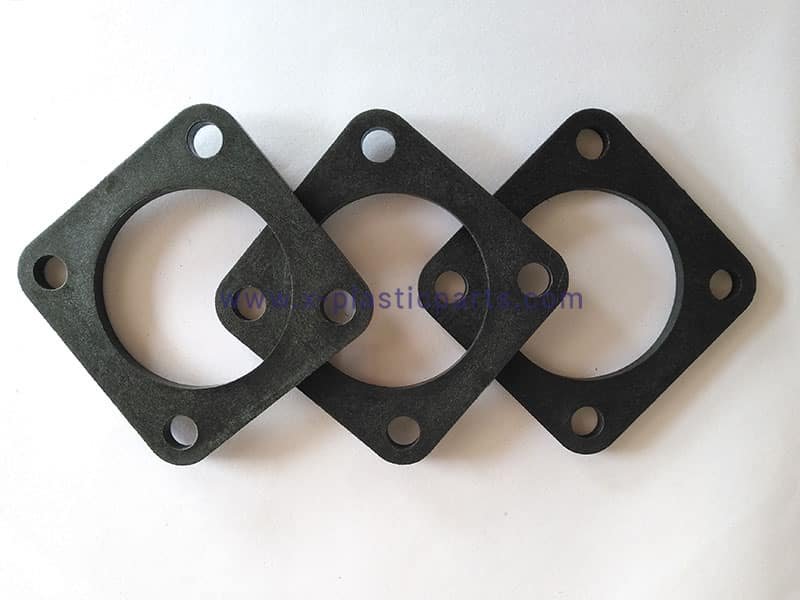
Past Extrusion Projects & Product
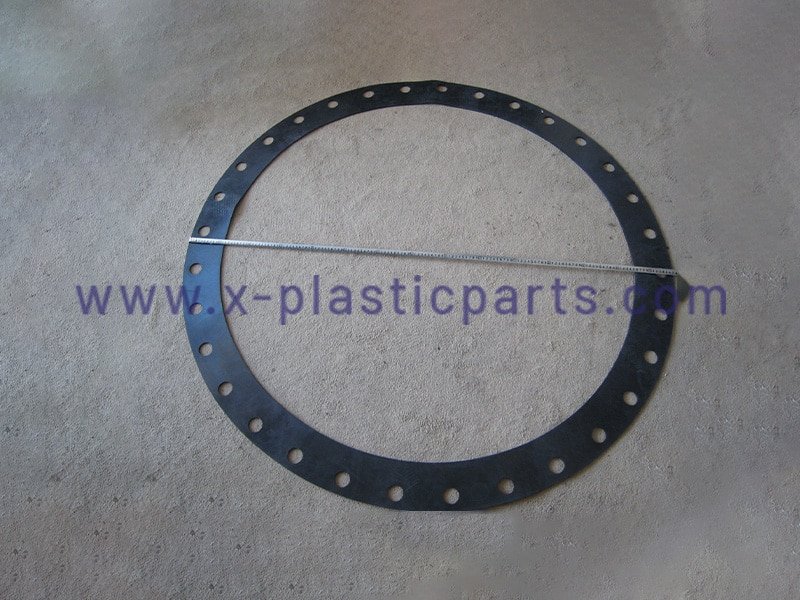
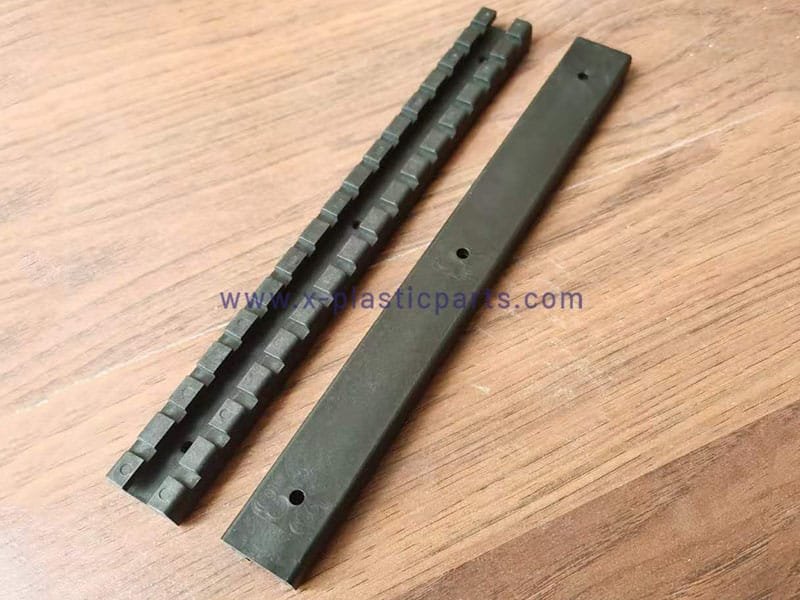
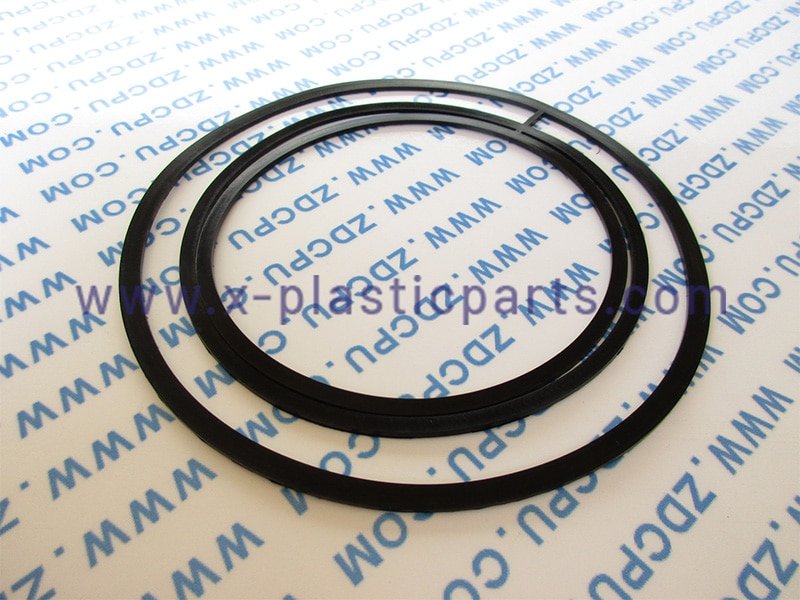
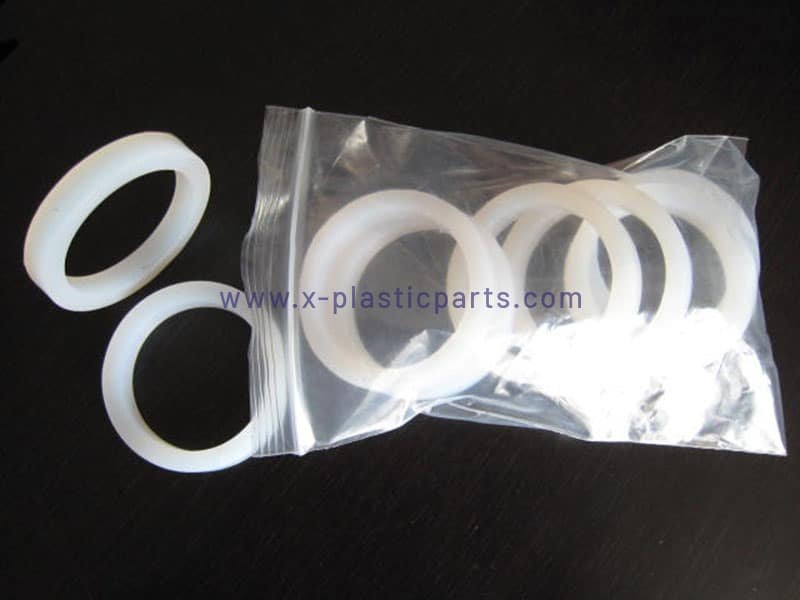
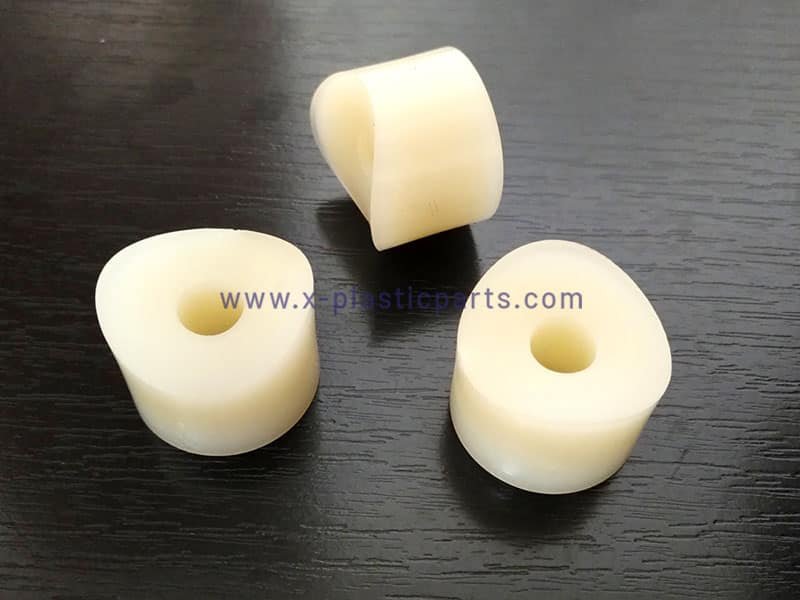
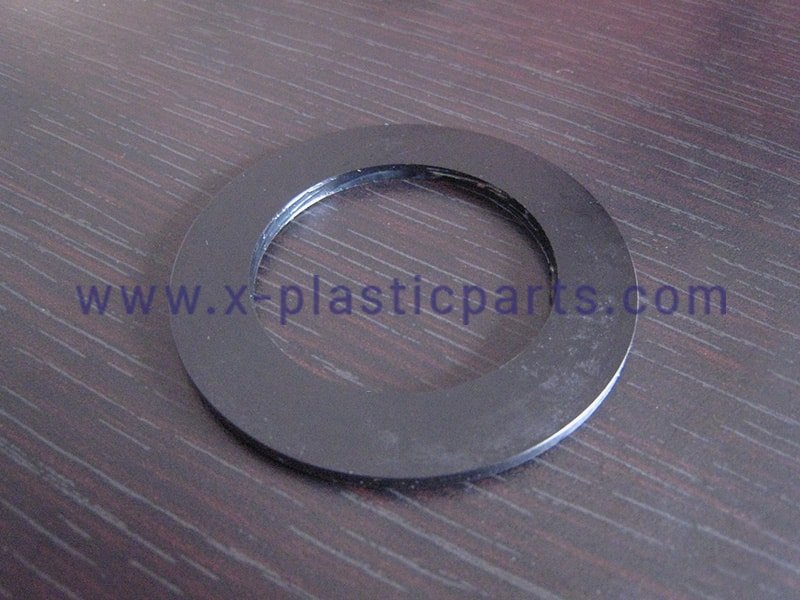
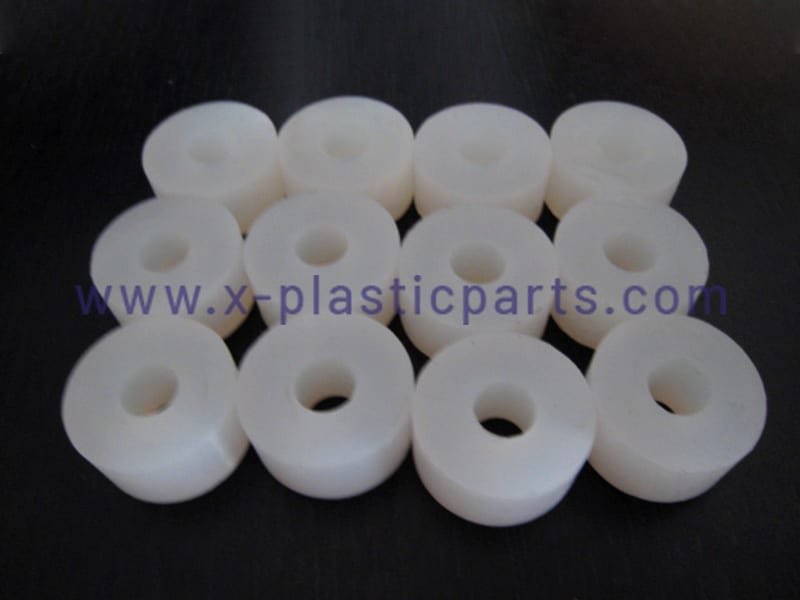
Advantages and Limitations of Extrusion Molding
1. Continuous production for long components.
2. Consistent cross-section and dimensional stability.
3. High efficiency and suitable for large-volume runs.
4. Wide material compatibility, mainly thermoplastics.
5. Custom profiles and shapes possible.
1. Limited to products with constant cross-section.
2. Surface finish may require secondary processing.
3. Not ideal for highly detailed or multi-thickness components.
4. Initial die design cost may be high for custom profiles.
Yes, but it is more cost-effective for medium to large volumes due to die setup costs.
Pipes, sheets, films, profiles, coatings, and fibers with uniform cross-section.
Yes, cutting, drilling, polishing, or surface treatments can be applied.
Yes, we offer polishing and finishing to achieve clear, smooth surfaces for visual or functional needs.
Typical lead times: prototypes: 3–7 days, small batches: 1–3 weeks, depending on part complexity and quantity. Rush orders can often be accommodated.