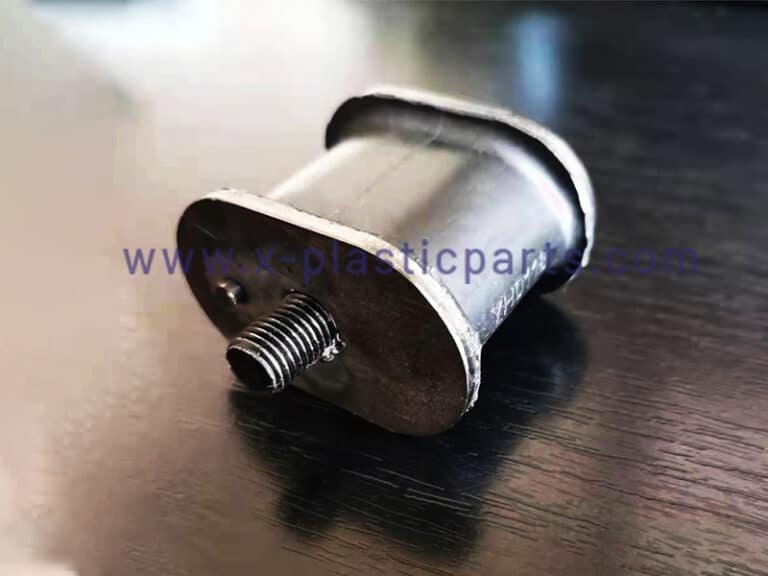
The Critical Role of Automotive Bushings
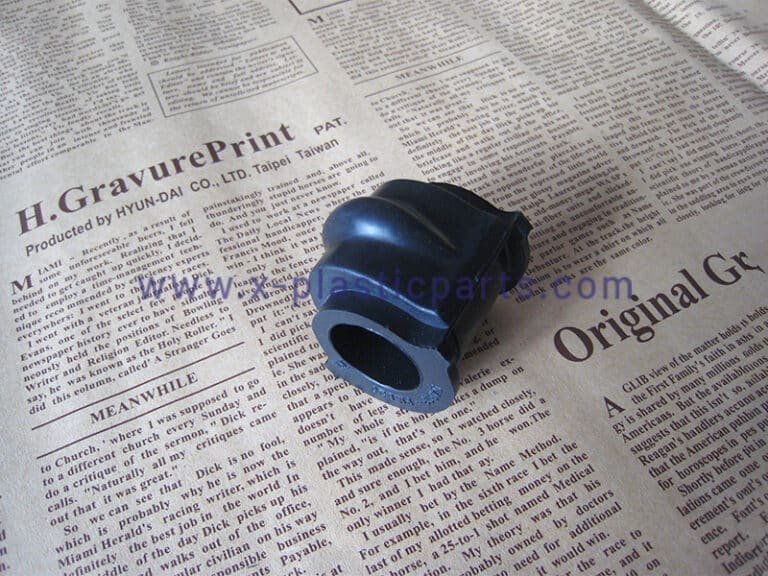
Automotive bushings play an essential role in your vehicle’s chassis. They connect the frame to the suspension system, prevent metal-to-metal contact, protect expensive components, cushion road impacts, and maintain stability and comfort during driving.
These car bushings must endure the vehicle’s weight, constant inertia, and a wide variety of harsh road conditions. High-quality bushings significantly improve driving feel, reduce tire wear, and minimize fatigue on the entire suspension system, giving drivers a smoother and more enjoyable experience.
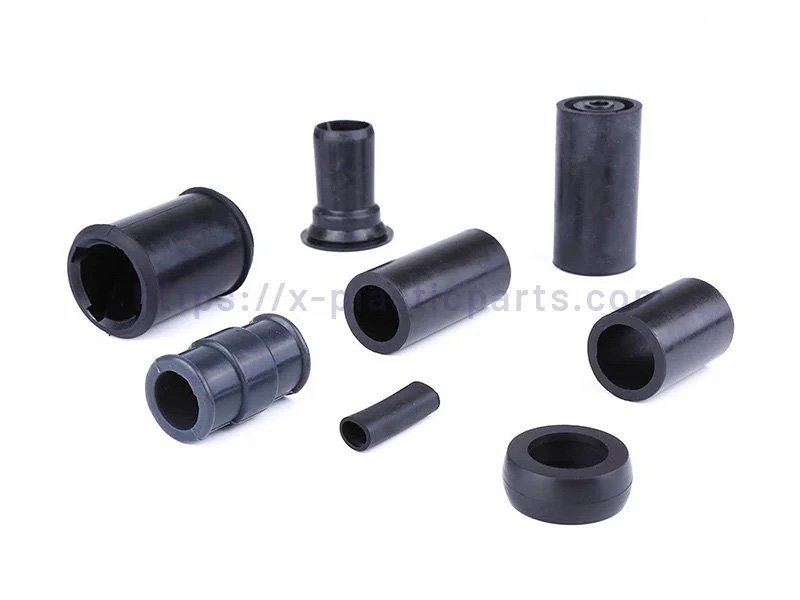
Car bushings come in many types depending on their location and design: front and rear axle bushings, tie rod bushings, control arm bushings, subframe bushings, hydraulic and non-hydraulic versions, metal and nylon variants, as well as open and closed designs.
Signs of Car Bushing Failure
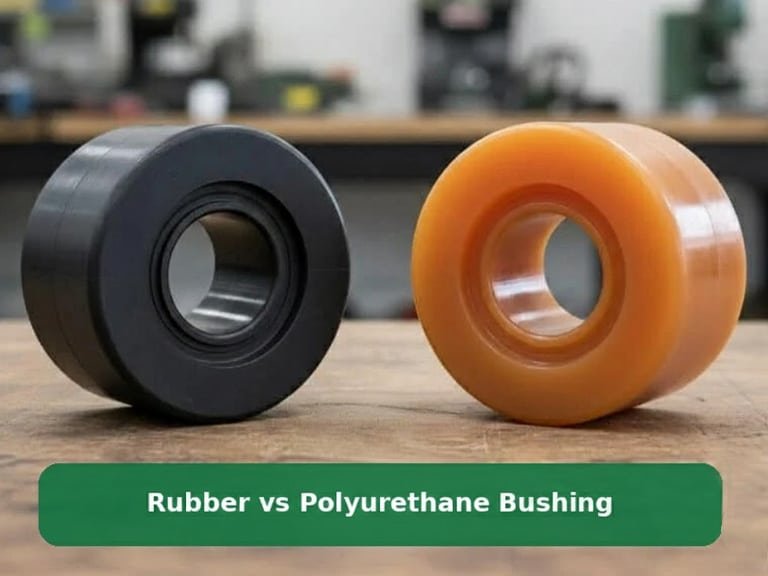
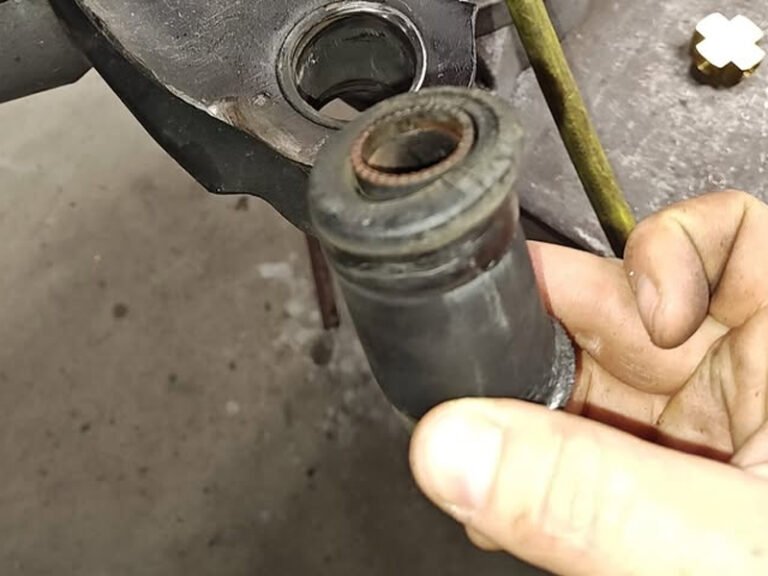
Like any rubber or polyurethane component, a car bushing is a wear item subject to aging, cracking, and tearing due to constant stress and environmental exposure.
Signs of Car Bushing Failure:
- Unusual Noises: Clunking, squeaking, or creaking when driving over bumps or turning.
- Steering Wander: A loose or sloppy steering feel, or the vehicle pulling to one side.
- Uneven Tire Wear: Misalignment caused by failed bushings leads to premature tire degradation.
Standard OEM replacements might not always cut it, especially for modified vehicles, classic restorations, heavy-duty trucks, or track-focused race cars. Standard rubber often compromises performance for daily comfort, or simply cannot handle extreme loads.
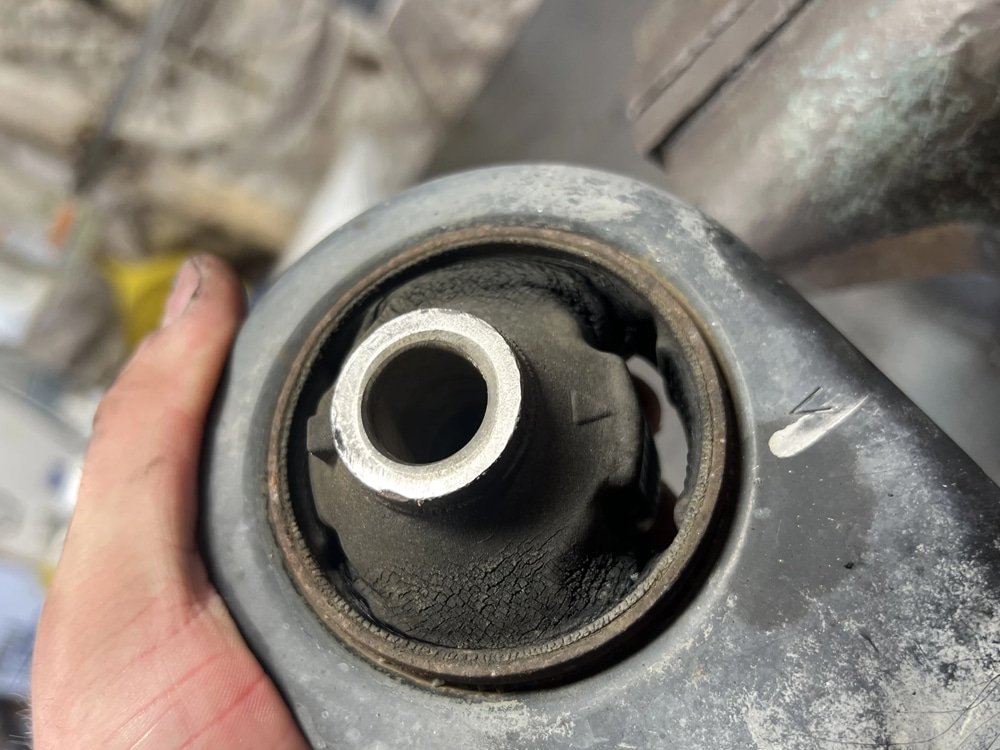
Replacement Tips for Automotive Bushings
Correct installation is essential to ensure optimal performance and service life of automotive bushings. Improper assembly can lead to premature failure or abnormal stress distribution.
Choosing the Right Press-Fit Sleeve Size
During disassembly and press-fitting, you must select a sleeve of the correct size. Ensure that the pressing force acts strictly on the bushing’s outer metal sleeve, keeping other parts stress-free. Always wear protective goggles and gloves. The sizing information in the product manual can assist you in selecting the appropriate sleeve.
Pressing Force
Before installation, clean any burrs from the bore and apply a small amount of lubricant (such as 4240 grease) to the inner hole and outer diameter. Pay close attention to pressing force — it shouldn’t be too light. For example, a metal outer sleeve with a 40 mm outer diameter generally requires more than 6KN, while nylon versions may need over 20KN. Adjust according to the bushing’s size. If the force feels unusually high or low, stop and check the bore condition or confirm you have the right automotive bushings.
Verifying the Installation Position
During installation, ensure that the solid rubber section is aligned with the horizontal forward direction of travel. If the product is marked with an arrow, make sure the arrow points horizontally forward. Ensure the bushing is pressed perfectly into the center, leaving an equal amount of exposure on both ends.
Stress Relief After Installation
After fitting the new car bushings with the vehicle raised, stress can build up in the suspension. Lower the car to the ground, straighten the steering wheel, loosen the fasteners to the specified torque, then retighten them properly. This allows the chassis to settle naturally. Once completed, the system behaves as designed, similar to replacing worn components with a fresh, optimized foundation.
Custom Automotive Bushings for Improved Performance
While standard automotive bushings are suitable for general applications, many real-world conditions require enhanced performance characteristics. Heavy loads, extreme temperatures, off-road environments, or high-frequency vibration systems often demand tailored solutions.
By adjusting material composition, geometry, metal reinforcement design, and stiffness parameters, customized solutions can significantly improve bushing performance.
If you are dealing with frequent car bushing failure or require specific performance characteristics, we offer fully customized automotive bushings tailored to your exact needs. Welcome to contact us.