Excessive engine vibration, increased cabin noise, and premature mount failure are common signs that engine mount bushings are no longer performing properly. While standard replacement bushings work for many factory vehicles, they often fall short in modified, high-performance, heavy-duty, or custom-engine applications. In these situations, custom engine mount bushings provide a better balance of vibration isolation, durability, and fitment.
This guide explains how engine mount bushings work, what factors affect their performance, and when custom bushings are the better solution.
What Are Engine Mount Bushings?
Engine mount bushings are elastomer-based components installed between the engine assembly and the vehicle frame or subframe. Their primary role is to support the engine while isolating vibration and limiting the transmission of noise to the chassis.
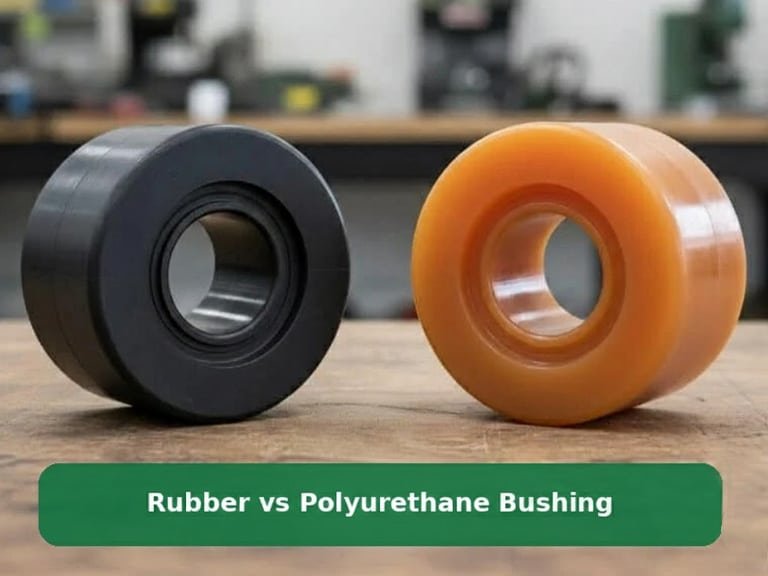
The most commonly used materials for engine mount bushings include natural rubber, synthetic rubber compounds, rubber, and polyurethane. Different rubber formulations can be tailored to meet specific hardness and environmental resistance requirements.
Properly designed engine mount bushings contribute directly to vehicle comfort and reliability. They help reduce vibration transmitted from the engine to the cabin, lower noise levels, and protect the engine and mounting hardware from excessive mechanical stress. Over time, well-matched bushings also reduce the likelihood of secondary failures in hoses, brackets, and adjacent assemblies.
How to Choose the Right Engine Mount Bushings for Your Vehicle
Selecting suitable engine mount bushings requires a clear understanding of the vehicle’s operating conditions and performance requirements. The correct choice is always a balance between vibration isolation (comfort) and structural stiffness (control).
1. Consider the Vehicle Application
Different vehicle types require different bushing characteristics:
- Daily commuting vehicles prioritize comfort and noise reduction, requiring softer rubber compounds for better vibration isolation.
- Performance or track vehicles prioritize engine stability and precise throttle response, often requiring stiffer rubber or polyurethane bushings.
- Off-road or heavy-duty applications require reinforced designs that can withstand shock loads, high torque, and continuous stress.
2. Evaluate Engine Load and Torque Output
Engine size and torque directly influence the stress placed on bushings.
Higher torque engines or heavily modified engines generate stronger movement forces, which can cause excessive deflection in soft bushings. In such cases, higher-durometer rubber or polyurethane materials are typically recommended to maintain engine stability under load.
3. Consider Operating Environment
Environmental conditions significantly affect bushing performance and lifespan:
- High temperature environments may accelerate rubber aging
- Oil or chemical exposure requires resistant compounds such as NBR or EPDM-based materials
- Off-road conditions demand higher abrasion and impact resistance
4. Balance Comfort and Control (NVH Requirement)
The final selection depends on the desired NVH (Noise, Vibration, Harshness) level:
- Softer bushings → better comfort, lower vibration
- Harder bushings → improved engine control, reduced movement
The optimal choice depends on whether the priority is driving comfort or performance stability.
Factors That Affect Bushing Performance
Several technical factors directly influence the performance of engine mount bushings.
- Material hardness, typically measured by durometer, determines how much vibration is absorbed versus how much structural support is provided. Selecting an appropriate hardness range is critical to achieving stable performance.
- Dimensions and tolerances affect both fit and durability. Tight dimensional control ensures proper installation and consistent load transfer. Shape and internal structure, such as solid versus voided designs, influence stiffness and vibration isolation characteristics.
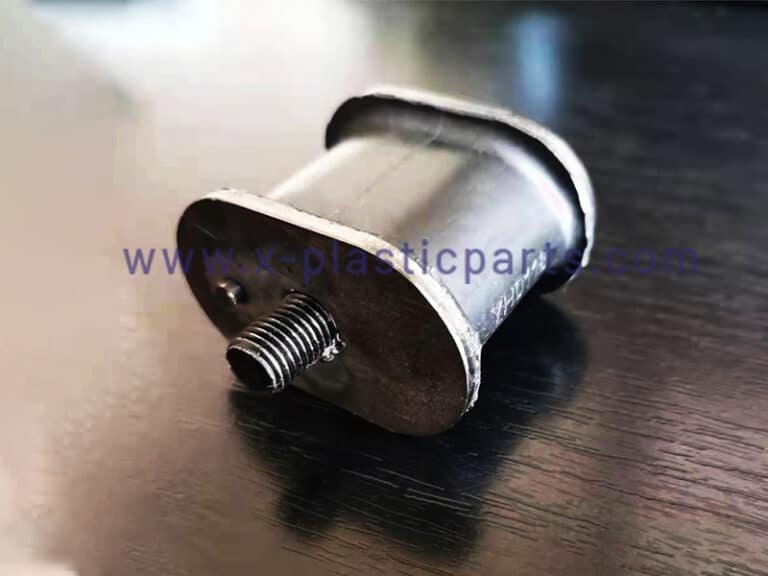
- Metal inserts or sleeves play a key role in rubber–metal bushings. They improve resistance to deformation, provide secure mounting points, and enhance overall durability. Finally, the quality of rubber-to-metal bonding is essential for long-term reliability, particularly in applications exposed to cyclic loads and environmental stress.
Standard vs. Custom Engine Mount Bushings
Standard engine mount bushings provide exact fitment, balanced NVH characteristics, and lower cost. They suit unmodified vehicles well but wear faster under increased stress and offer limited options for upgrades. Standard sizes may not fit perfectly in modified or rare vehicles, leading to installation issues or suboptimal performance.
Custom engine mount bushings are developed to match specific performance targets. By adjusting material composition, hardness, dimensions, and internal structure, custom bushings can better accommodate unique vibration frequencies, load conditions, and installation constraints.
Flexiparts Custom Engine Mount Bushings Solution
Flexiparts provides fully custom engine mount bushing solutions with no inventory limitations, enabling production tailored to specific customer requirements.
Customizable options include material selection (rubber or polyurethane), precise durometer control, full dimensional customization, structural variations, and metal sleeve configurations. We also support production based on samples, engineering drawings, or reverse engineering from existing parts, making our solutions suitable for prototypes, low-volume production, and specialized applications.
When standard components cannot meet performance requirements, custom engine mount bushings provide greater flexibility in material, hardness, dimensions, and structural design.
Flexiparts specializes in OEM, aftermarket, and industrial-grade custom rubber and polyurethane bushings. Whether you have CAD drawings, physical samples, or performance requirements, our engineering team can develop a tailored solution. Contact us today to discuss your project and request a quotation.