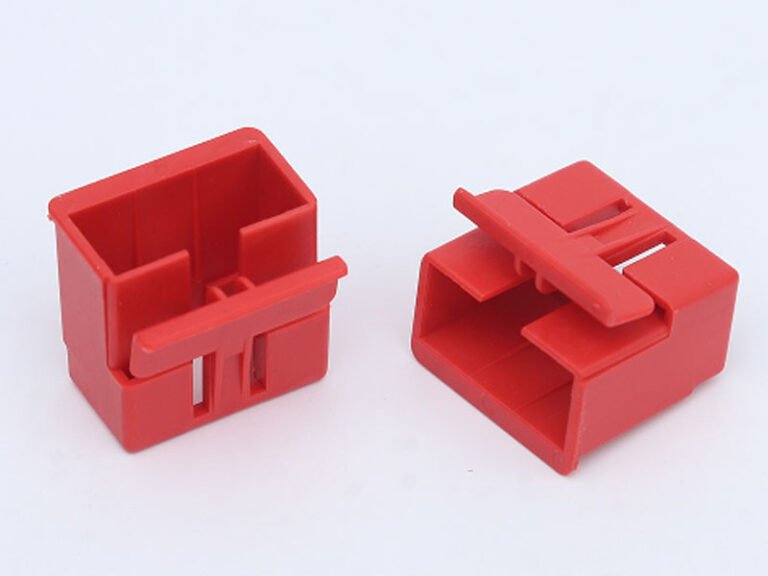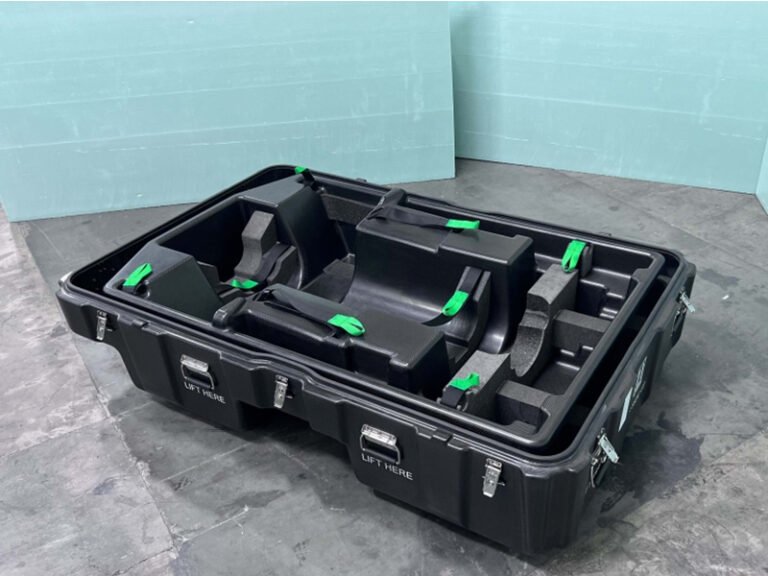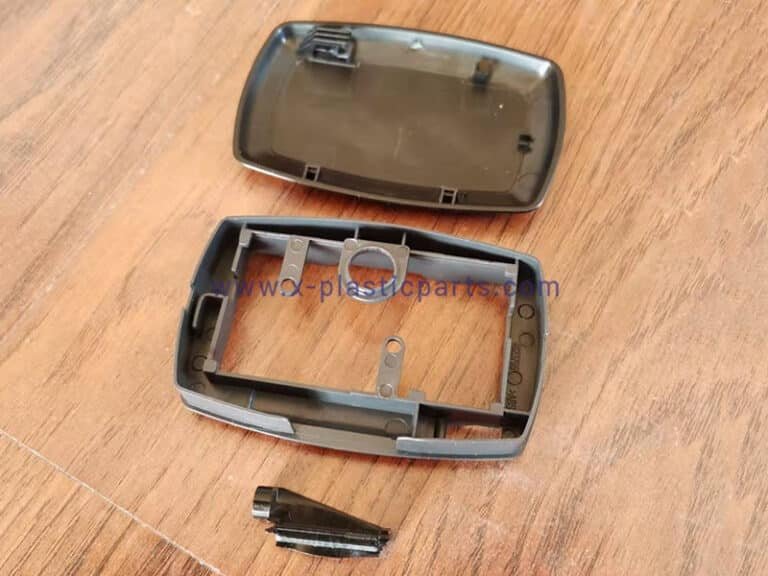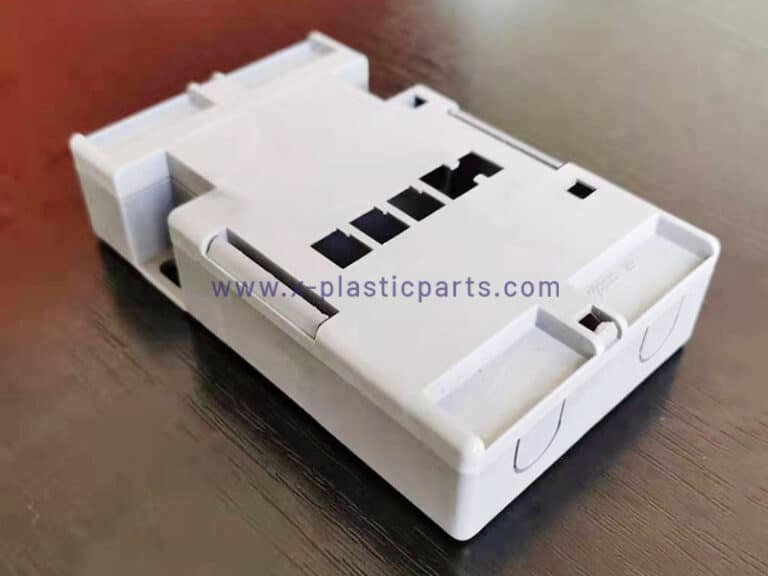
A polycarbonate electrical enclosure is a type of non-metallic housing designed to protect electrical and electronic components from environmental and mechanical influences. In recent years, polycarbonate has become a widely used material in enclosure design due to its balanced combination of strength, insulation, and environmental resistance. Compared with traditional metal enclosures, it offers a different set of performance characteristics that are particularly relevant in outdoor and corrosive environments.
Main Advantages of Polycarbonate Electrical Enclosures
Polycarbonate electrical enclosures provide several technical benefits that make them suitable for demanding environments.
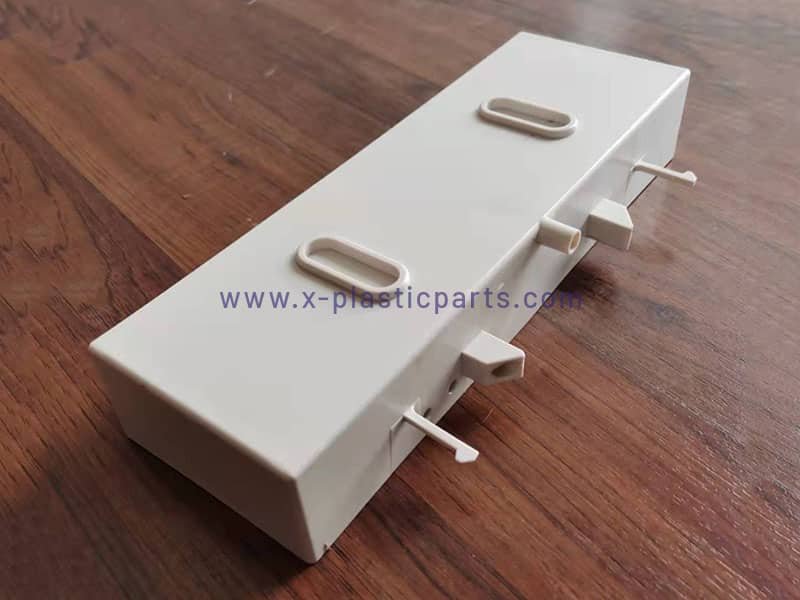
Impact Resistance
High impact resistance is one of the primary advantages. Polycarbonate material can withstand significant mechanical stress without cracking or deforming easily. This property reduces the risk of damage during installation or from accidental impacts in busy industrial areas.
Weather Resistance
Weather resistance is an other benefit of pc enclosure. Polycarbonate electrical enclosures maintain their structural integrity when exposed to ultraviolet radiation, rain, and temperature fluctuations. Many grades include UV stabilizers that help prevent degradation over time, making them reliable for long-term outdoor installation.
Corrosion and Chemical Resistance
Unlike steel or other metals, polycarbonate does not rust. It performs well in environments where moisture, salts, or chemicals are present. Polycarbonate formulations are resistant to oils, weak acids, and industrial cleaning agents. This reduces the need for protective coatings or frequent maintenance.
Lightweight Construction
Weight is also an important factor. Polycarbonate electrical enclosures are significantly lighter than traditional metal options. This lower weight simplifies transportation, reduces labor requirements during installation, and lowers overall project costs, especially in applications that involve elevated mounting or frequent relocation.
Electrical Insulation
Unlike conductive metals, polycarbonate is a non-conductive material. This inherent property enhances safety by reducing the risk of electrical shock and eliminating the need for additional grounding in many configurations. It also helps prevent short circuits caused by accidental contact between the enclosure and internal wiring.
Thermal Performance
Polycarbonate enclosures support a wide operating temperature range, typically from -40°C to approximately 120°C, depending on the specific grade. This flexibility allows polycarbonate electrical enclosures to function effectively in both cold storage facilities and warmer industrial processes.
Easy to manufacture
Polycarbonate is also easy to machine. It can be cleanly cut, drilled, and modified with standard tools, resulting in smooth edges and precise openings without excessive burrs. This ease of modification supports efficient on-site adjustments when needed.
How to Choose the Right PC Electrical Enclosure?
Selecting the appropriate enclosure requires a clear understanding of the operating environment and system requirements. Several factors should be evaluated.
Environmental Conditions
The first consideration is where the enclosure will be used. Outdoor installations require resistance to UV radiation, moisture, and temperature changes. Indoor applications may focus more on dust protection or chemical exposure. Understanding these conditions helps determine the necessary material grade and protective features.
IP and NEMA Ratings
Ingress Protection (IP) and NEMA ratings define the enclosure’s ability to resist dust and water. For example, higher IP ratings indicate better sealing performance. Choosing the correct rating ensures that internal components remain protected under expected operating conditions. Over-specifying may increase cost, while under-specifying can lead to premature failure.
Size and Internal Layout
The enclosure must accommodate all internal components, including wiring, terminals, and mounting hardware. Adequate space is required not only for installation but also for maintenance. Proper layout planning can improve airflow, reduce heat buildup, and simplify assembly.
Mounting Requirements
Different applications require different mounting methods. Common options include wall mounting, pole mounting, and free-standing configurations. The enclosure design should support the intended installation method without compromising structural stability.
Thermal Management
Although polycarbonate provides good insulation, it does not conduct heat as well as metal. In applications with significant heat generation, additional design measures may be necessary. These can include ventilation openings, internal fans, or heat-dissipating components.
Compliance and Standards
Certain industries require compliance with specific standards. This may include flame retardancy, impact resistance classifications, or electrical safety certifications. Ensuring compliance at the selection stage helps avoid redesign or regulatory issues later.
Polycarbonate vs Metal Enclosures
Polycarbonate enclosures and metal enclosures are the two common choices. They are offering distinct performance characteristics. The table below makes a short comparison of two material enclosures.
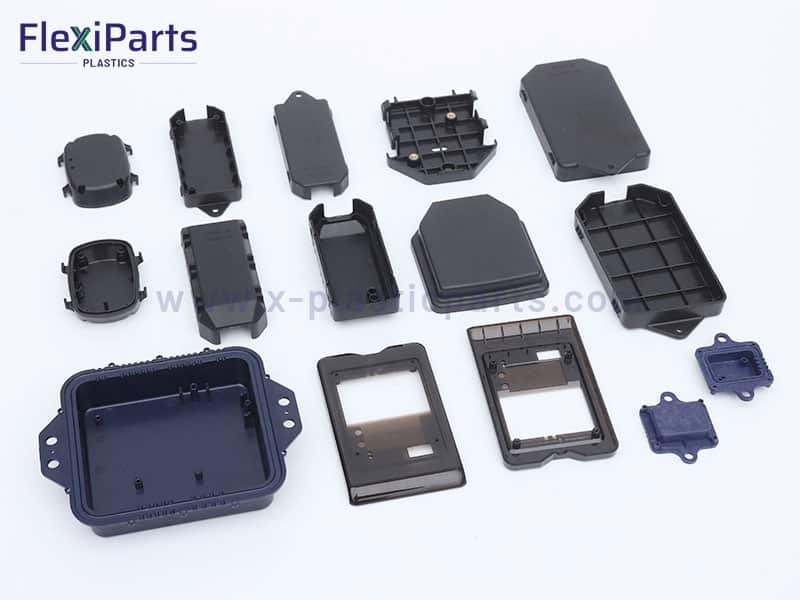
Custom Enclosure Solution
Applications of Polycarbonate Electrical Enclosures
Outdoor Electrical Installations
Custom pc enclosures are widely used in outdoor settings. Examples include telecommunications equipment, traffic control systems, and renewable energy installations such as solar power systems.
Industrial Facilities
In manufacturing environments, a polycarbonate electrical enclosure can protect control systems, sensors, and distribution components.
Marine and Coastal Environments
In marine conditions, Polycarbonate provides a corrosion-resistant alternative that maintains performance.
Food and Beverage Industry
Hygiene requirements in food processing environments demand materials that can withstand frequent cleaning. Polycarbonate enclosures resist many cleaning agents and do not corrode.
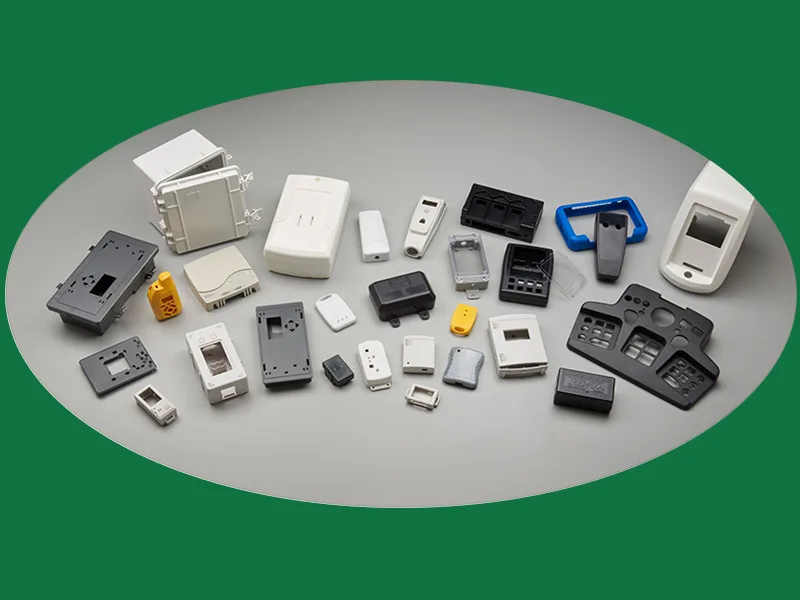
Custom Polycarbonate Enclosure Solutions
When standard enclosures can’t meet specific project requirements, customization allows for better integration with system design and operational needs.
- Enclosures can be manufactured in different sizes and shapes to match component layouts. This helps optimize space utilization and improve internal organization.
- Cutouts for connectors, switches, and display panels can be added during production. This reduces the need for additional on-site processing.
- Different grades of polycarbonate are available, including options with enhanced UV resistance or flame retardant properties. Material selection can be adjusted based on environmental and regulatory requirements.
- Labeling, printing, and color customization can be applied to improve identification and traceability. These features are particularly useful in complex systems with multiple enclosures.
- Flexiparts offers partial or complete assembly of internal components. This can reduce installation time and improve consistency across units.
Conclusion
Polycarbonate electrical enclosures deliver a practical combination of light weight, high impact resistance, excellent corrosion resistance, superior electrical insulation, and ease of modification. They are a suitable solution for many industrial, outdoor, and harsh-environment applications. When standard enclosures are not sufficient, customized electrical enclosure solutions become essential. Flexiparts provides PC enclosure manufacturing services across multiple materials, including polycarbonate and other engineering options. Based on each project’s requirements—such as environment, mechanical demands, and compliance standards—we select and tailor the most appropriate material to deliver a reliable and efficient enclosure solution. Welcome to contact us and get a custom solution for your projects.