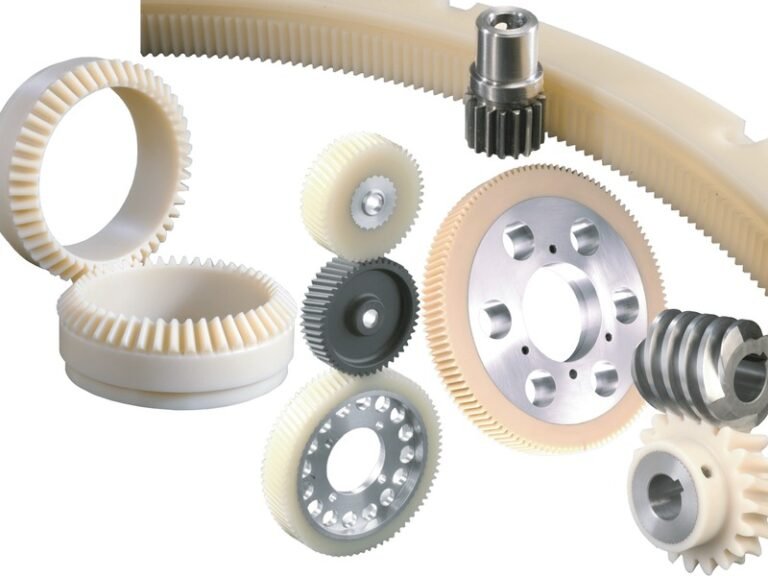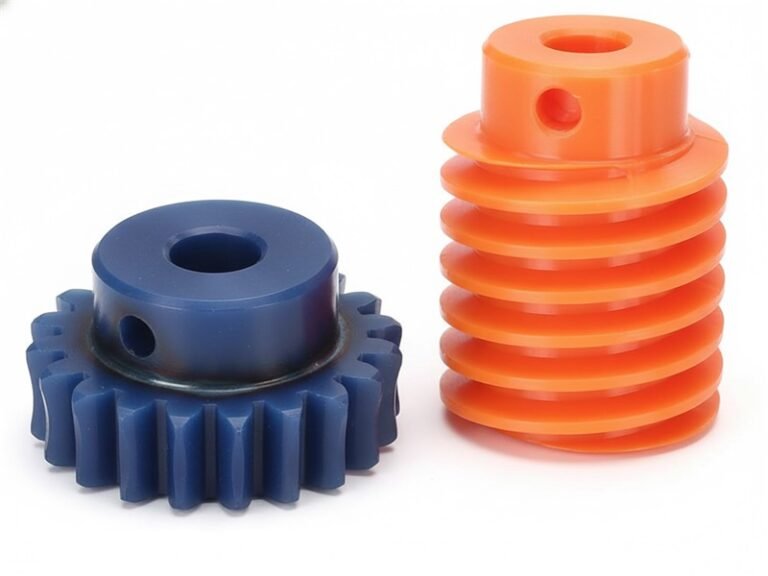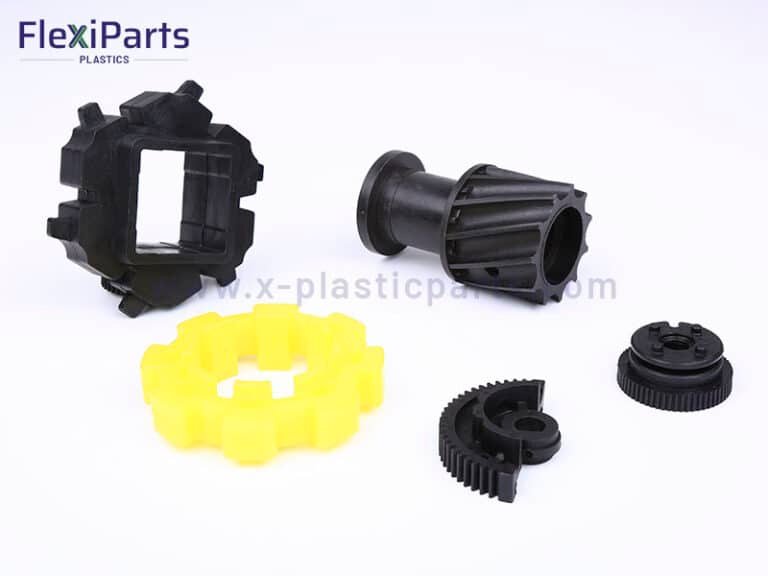
Plastic gears are typically produced using injection molding to achieve higher precision and cost-effectiveness. Understanding how to mold plastic gears is important for selecting the right material, mold design, and production process. If you need custom plastic gears, Flexiparts provides design support, mold making, prototyping, and mass production services.
What Is the Best Method for Molded Plastic Gears?
The most effective method to make plastic gears is injection molding. This process ensures consistent dimensions, accurate tooth profiles, and repeatable quality. Compared to machining or 3D printing, injection molding is more suitable for high-volume production.
You start by sharing your gear specifications with our team. We evaluate factors such as gear size, load, and operating conditions to select the proper mold design and processing parameters. This approach helps achieve precise, reliable injection molded gears for your project.
How to Mold Plastic Gears Step by Step
Molding plastic gears involves a series of precise steps to ensure accuracy and durability. Here is a practical step-by-step guide on how to mold plastic gears:
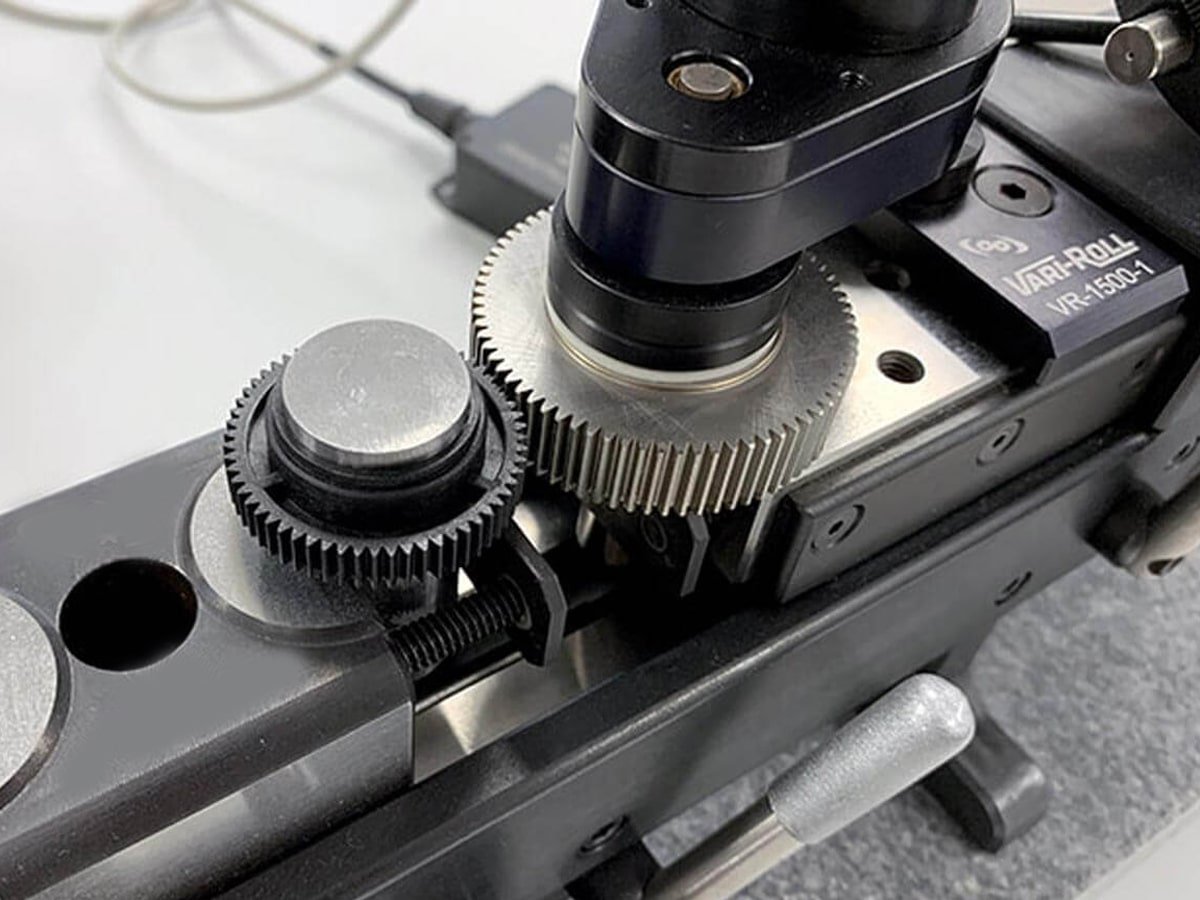
Step 1: Design the Gear
The first step is to design the gear using CAD software or other 3D design tools. The design should meet the required specifications for the intended application, including tooth profile, pitch, and gear dimensions.
Step 2: Create the Mold
After finalizing the design, the next step is to create the mold. The mold must match the gear dimensions and be made from materials that can withstand repeated injection molding cycles, such as steel, aluminum, or copper.
Step 3: Prepare the Material
Once the mold is ready, prepare the material. Choose the suitable material based on the working conditions and custom requirements. The selected plastic must be properly dried to remove moisture.
Step 4: Injection
Inject the molten plastic into the mold under high pressure. The plastic fills the mold cavity, forming the gear’s shape.
Step 5: Cooling and Solidification
After injection, the mold must be cooled to solidify the plastic. Cooling channels in the mold carry water or another coolant to regulate temperature and prevent warping or deformation.
Step 6: Demolding and Finishing
After cooling, the gear is removed from the mold. Some gears may require secondary finishing, such as deburring or light polishing, to achieve smooth operation.
Material Selection for Custom Plastic Gears
Material choice matters for custom plastic gears. Different applications require different properties. For example, some gears need low friction for quiet operation, while others must handle higher loads or temperatures.
We work with materials that include:
- Acetal (POM): High stiffness, low friction, and excellent dimensional stability.
- Nylon (PA): Good toughness, wear resistance, and suitable for gears exposed to moderate loads.
- PEEK: Suitable for demanding environments with heat or chemicals.
- ABS or PC: Suitable for projects where impact resistance and affordability are key.
- Other Plastics: Depending on temperature, chemical exposure, or electrical requirements, different plastics may be recommended.
Flexiparts helps customers select the right material based on load, temperature, and wear requirements. Our team reviews your operating conditions and recommends the best match so your gears last in real use.
Why Precision Matters in Plastic Gear Molding?
Precision plays a direct role in how well injection molded gears perform. Even small deviations in tooth shape or pitch can lead to poor meshing, increased wear, and reduced efficiency. Maintaining tight tolerances during mold design, injection, and cooling ensures that the gears function smoothly and last longer.
At Flexiparts, our molds are engineered with high accuracy, and our processes are carefully monitored to deliver consistent results for each batch.
Common Challenges in Plastic Gear Production and Solutions
Several challenges can appear during gear molding, but they have straightforward solutions when handled correctly.
- Warping or Shrinkage: Uneven cooling can cause the gear to deform. We address it by adjusting cooling time and pressure settings to keep dimensions stable.
- Flash or Excess Material: That occurs if pressure is not balanced. Our mold design and machine calibration minimize this, so parts need little or no trimming.
- Surface Defects: Marks, flow lines, or burrs can appear on the gear. Optimizing injection parameters and mold design reduces these defects.
- Stress and Cracking: Internal stress may lead to cracking during use. Choosing suitable materials and applying post-molding treatments can mitigate this problem.
- Incomplete Filling of Teeth and Air Pockets: Improper injection speed and injection pressure will cause those defects. We use flow analysis before production to set the right injection speed and temperature. This ensures every tooth forms completely.
Flexiparts addresses these challenges through careful material selection, mold design, and process control, ensuring high-quality results for injection molded gears.
Conclusion
Understanding how to make plastic gears starts with the right process and partner. Injection molded gears deliver the precision and durability you need at a competitive price. Flexiparts handles design support, mold making, prototyping, and mass production under one roof. We select materials based on your load, temperature, and wear requirements. Our process steps and quality controls address common challenges directly. This setup lets you receive reliable custom plastic gears without unnecessary complications. Contact Flexiparts today to discuss your project. We will review your requirements and provide a clear plan for your next batch of injection molded gears.