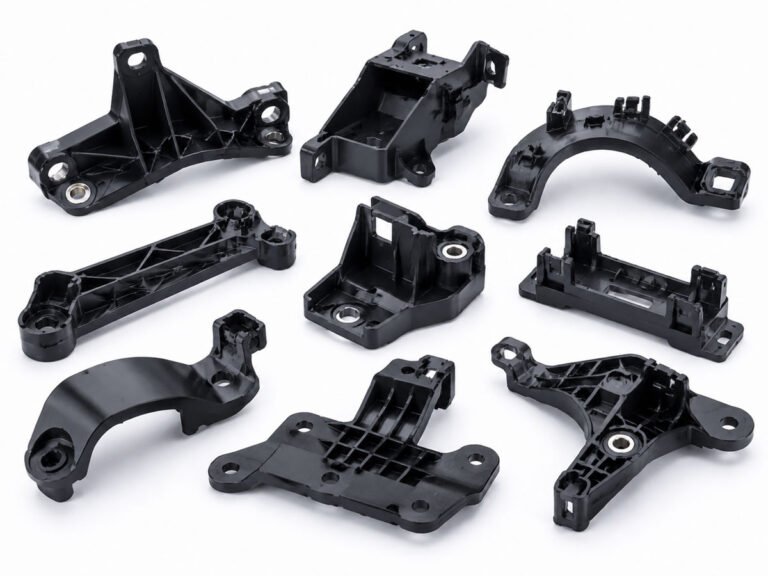
Automotive plastic brackets are mostly out of sight, yet they fix sensors, electronic modules, wiring, and panels in place. When one loosens or breaks, it can cause rattles, poor electrical contact, or a warranty claim. In many positions, plastic now replaces metal to cut weight, avoid corrosion, and lower cost. However, their performance depends on material selection, structural design, and manufacturing quality.
What Are Automotive Plastic Brackets?
Automotive plastic brackets are injection molded parts that support, locate, or connect vehicle components. They position the part, carry assembly loads and in-service vibration, keep spacing, and sometimes also guide wiring or snap into place.
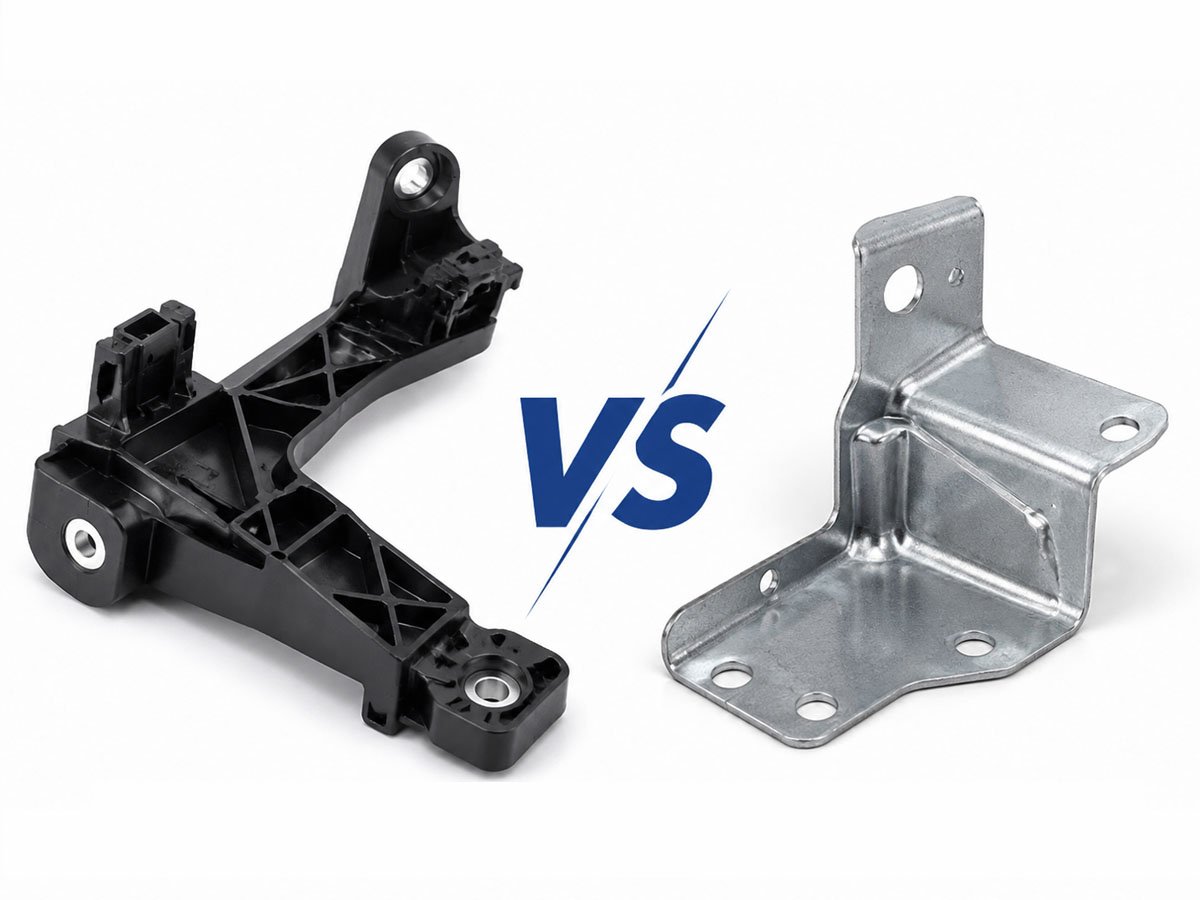
Plastic Brackets vs. Metal Brackets
Plastic and metal brackets have different performance characteristics. The appropriate choice depends on the load, operating temperature, installation space, and production requirements.
| Item | Plastic Bracket | Metal Bracket |
|---|---|---|
| Weight | Lighter, which helps reduce vehicle weight | Heavier |
| Corrosion | Does not rust; resists most media | Needs coating or surface treatment |
| Design Flexibility | Supports complex molded geometries | May require stamping, machining, or welding |
| Production | Suitable for high-volume injection molding | Depends on stamping, casting, or machining |
| Integration | One molded part can combine snaps, locating pins, and cable channels | Often needs several operations or parts |
| Cost | Low per part at volume, but needs a mold | Simpler tooling; cost varies by process |
| Strength and stiffness | Lower, and sensitive to temperature | Higher |
| Heat | Depends on the material | Good |
| Bolted joints | Plastic creeps under clamp load, more so when hot | Clamp load stays stable |
Common Types of Automotive Plastic Brackets
Automotive plastic brackets come in different shapes and configurations according to their installation positions and functions.
Mounting Brackets
These hold sensors and control modules rigidly, usually as L-shaped, angled, or box-shaped parts with mounting holes and screw bosses. Locating accuracy and bolted-joint reliability matter most.
Support and Routing Brackets
These secure and guide wiring, pipes, and hoses, often with slots or clips. Loads are light, but quantities are high, so assembly speed and wear protection matter.
Clip-In and Snap-Fit Brackets
These install without bolts by snapping into a hole or onto an edge. Assembly is fast, but the snap needs enough flexibility and fatigue life, and the design does not suit high loads.
Insert-Reinforced Brackets
A metal insert or compression limiter at the bolt hole carries the clamp force and withstands repeated fastening. They suit higher loads or positions that are tightened more than once.
Integrated Multi-Function Brackets
One part combines fixing, locating, routing, and snapping, which cuts part count and assembly steps. The design and the mold are more complex, so this should be evaluated at the start.
Key Design Features of Custom Automotive Plastic Brackets
The structural design of an automotive plastic bracket affects its strength, stiffness, dimensional stability, and molding quality. Several features require attention during product development.
Wall Thickness
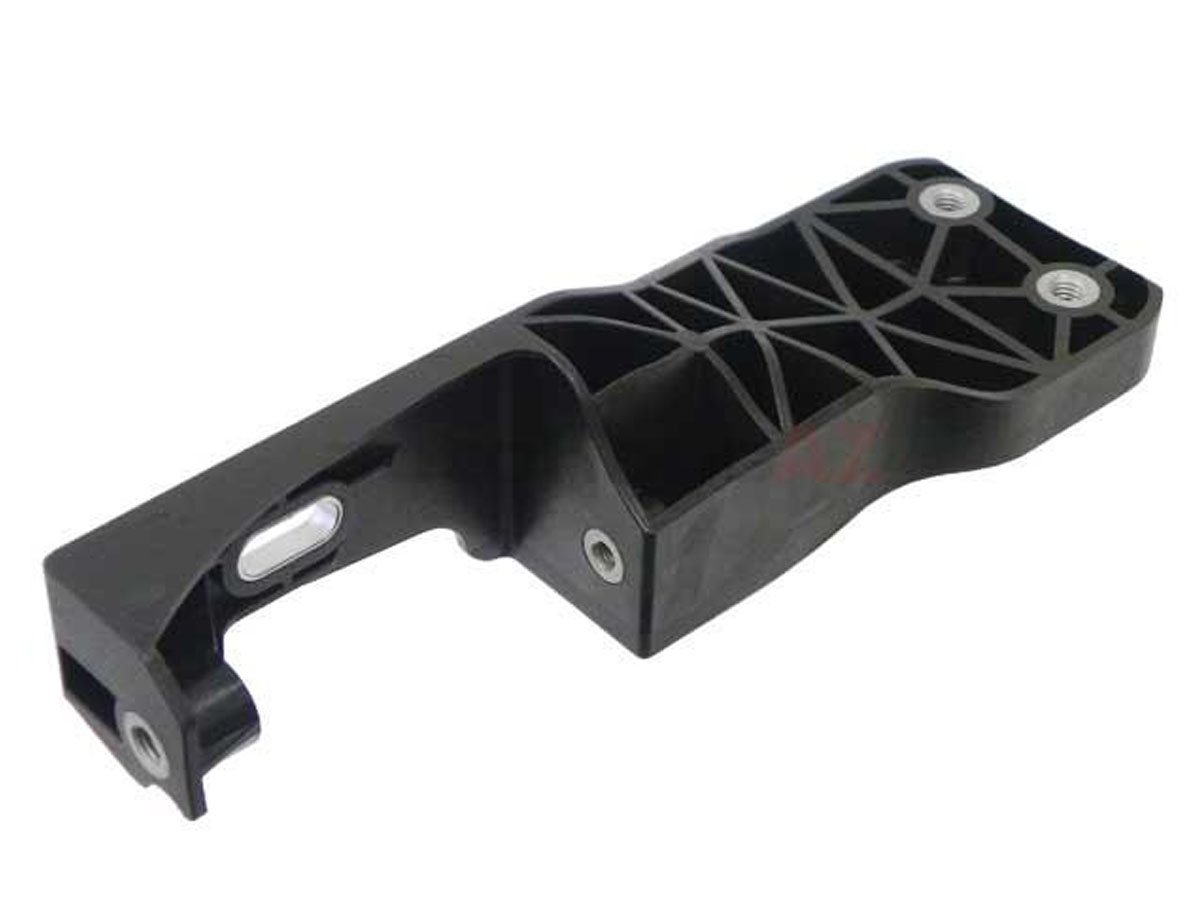
Wall thickness affects both mechanical performance and injection molding quality. Excessively thick sections can increase sink marks and uneven cooling, while very thin sections may cause incomplete filling or insufficient local strength. A relatively uniform wall thickness is generally preferred. The final design should consider the selected resin, part geometry, and molding conditions.
Reinforcing Ribs
Reinforcing ribs increase stiffness and help reduce bending without requiring a large increase in overall wall thickness. Their thickness, height, spacing, and connection to the main wall should be designed carefully. Poorly designed ribs can create sink marks, uneven cooling, and local stress concentrations.
Mounting Holes and Screw Bosses
Mounting holes and screw bosses directly affect how a bracket is fixed to other components. The design should consider screw dimensions, fastening forces, hole positions, and the required assembly method. Rounded transitions and suitable reinforcement around screw bosses can help reduce stress concentration and cracking. For applications requiring stronger threaded connections, metal inserts or insert molding may be considered.
Corner Radii and Stress Distribution
Sharp corners can create stress concentration, particularly around mounting points and load-bearing sections. Adding suitable radii helps improve stress distribution and reduces the risk of cracking. This is especially important for cantilevered structures, mounting tabs, and areas exposed to repeated loading.
Load Distribution and Structural Stability
Before finalizing the bracket design, engineers should identify the direction and type of loads the part will experience, including tension, compression, bending, and vibration. Mounting points, support surfaces, and reinforcing ribs should be arranged according to the actual load conditions. For complex structures, finite element analysis (FEA) can help evaluate stress and deformation before tooling begins.
Materials for Automotive Plastic Brackets
Material selection depends on mechanical requirements, operating temperature, vibration, chemical exposure, and cost.
| Material | Key Properties | Typical Applications |
|---|---|---|
| PA6 | Good strength, toughness, and wear resistance | General mounting and support brackets |
| PA66 | Good mechanical strength and heat resistance | Structural and under-hood brackets |
| PA6 GF / PA66 GF | Higher stiffness and strength than unreinforced grades | Load-bearing brackets and structural supports |
| PP | Lightweight, chemical resistance, and good processability | Interior supports and lower-load brackets |
| PP-GF | Improved stiffness compared with unreinforced PP | Automotive support and mounting components |
| PC/ABS | Good impact resistance and surface quality | Interior and electronic component brackets |
| PBT / PBT GF | Good dimensional stability and electrical properties | Electrical and electronic brackets |
How to Choose the Right Material
When selecting automotive plastic bracket materials, consider the following requirements:
- Mechanical Performance: Tensile strength, stiffness, impact resistance, and long-term loading.
- Temperature Resistance: Normal operating temperatures and temperature cycling.
- Vibration Resistance: Whether the bracket will experience continuous vibration or dynamic loads.
- Chemical Resistance: Exposure to oils, cleaners, fuels, or other chemicals.
- Moisture Absorption: Changes in dimensions and mechanical properties caused by moisture.
- Material Cost: The balance between performance requirements and production cost.
Automotive Applications of Custom Plastic Brackets
Custom automotive plastic brackets are used in several vehicle systems. Each application has different structural and environmental requirements.
Automotive Interior Systems: dashboard mounting brackets, instrument panel supports, center console brackets, and interior trim mounting brackets.
Electrical and Electronic Systems: mount sensors, electronic control units, connectors, cameras, radar components, and wiring harnesses.
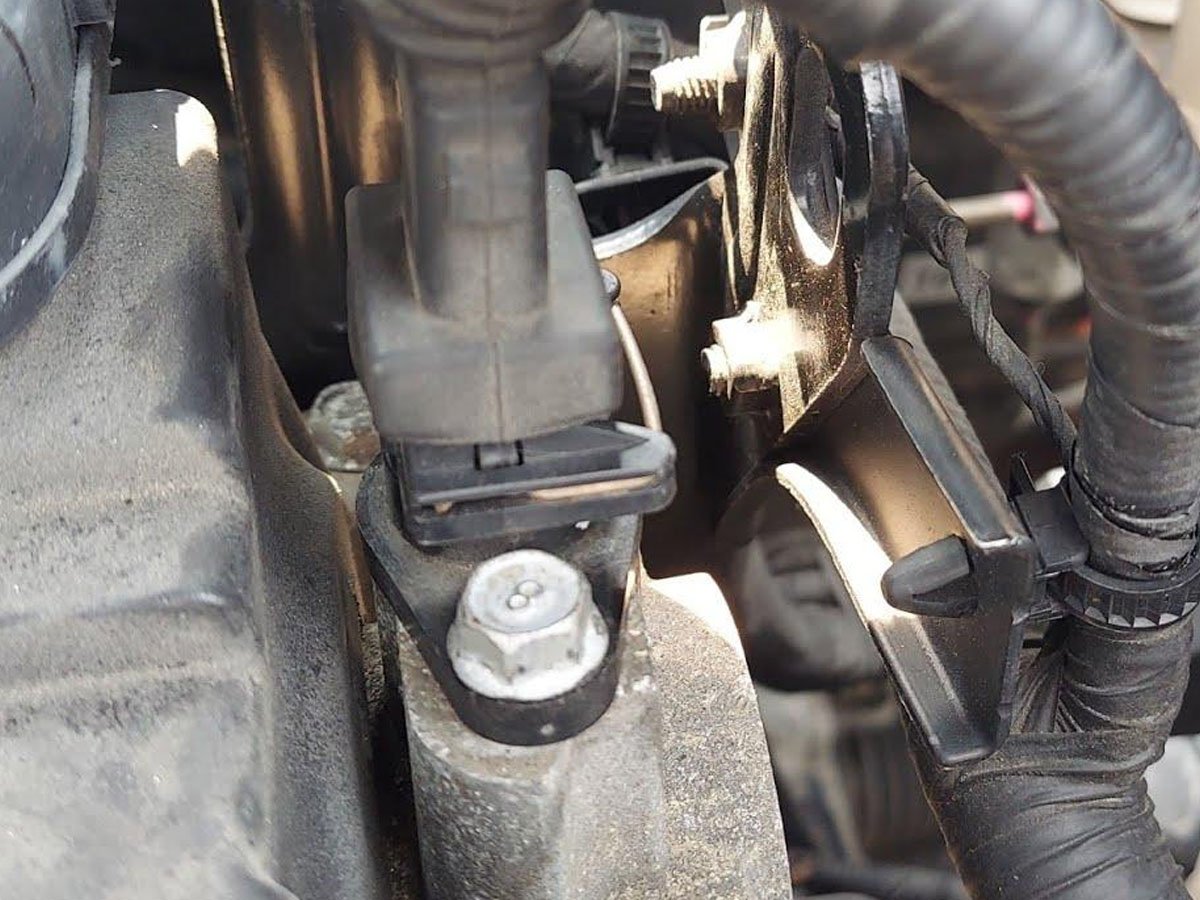
Engine Compartment and Under-Hood Systems: cable supports, hose mounting brackets, air intake component brackets, and selected fluid line supports.
Lighting and Exterior Systems: headlight mounting brackets, taillight supports, sensor brackets, and exterior trim brackets.
Battery and EV Systems: battery module supports, cable routing, charging system components, and electronic control units.
Considerations When Customizing Automotive Plastic Brackets
A successful custom bracket project requires more than selecting a material and producing a mold. The application, product design, manufacturing process, and validation requirements should be reviewed together.
Load and Environment
Define the load (magnitude, direction, continuous or impact), continuous and peak temperature, vibration, fluids and chemicals, humidity, and UV exposure. Material and structure follow from these.
Material and Fastening Method
Fix both before tooling, because screw bosses, inserts, and snaps are built into the mold, and later changes are costly.
Interfaces and Tolerance
Identify locating surfaces, critical hole positions, and tolerances, and state the moisture or temperature condition for measurement.
Validation Plan
Common tests are load, bending, vibration, temperature cycling, impact, aging, assembly, and dimensional inspection. Use production-intent samples in the actual mounting arrangement, and agree test conditions and acceptance criteria beforehand. A short test to failure does not establish a long-term working load.
Tooling and Volume
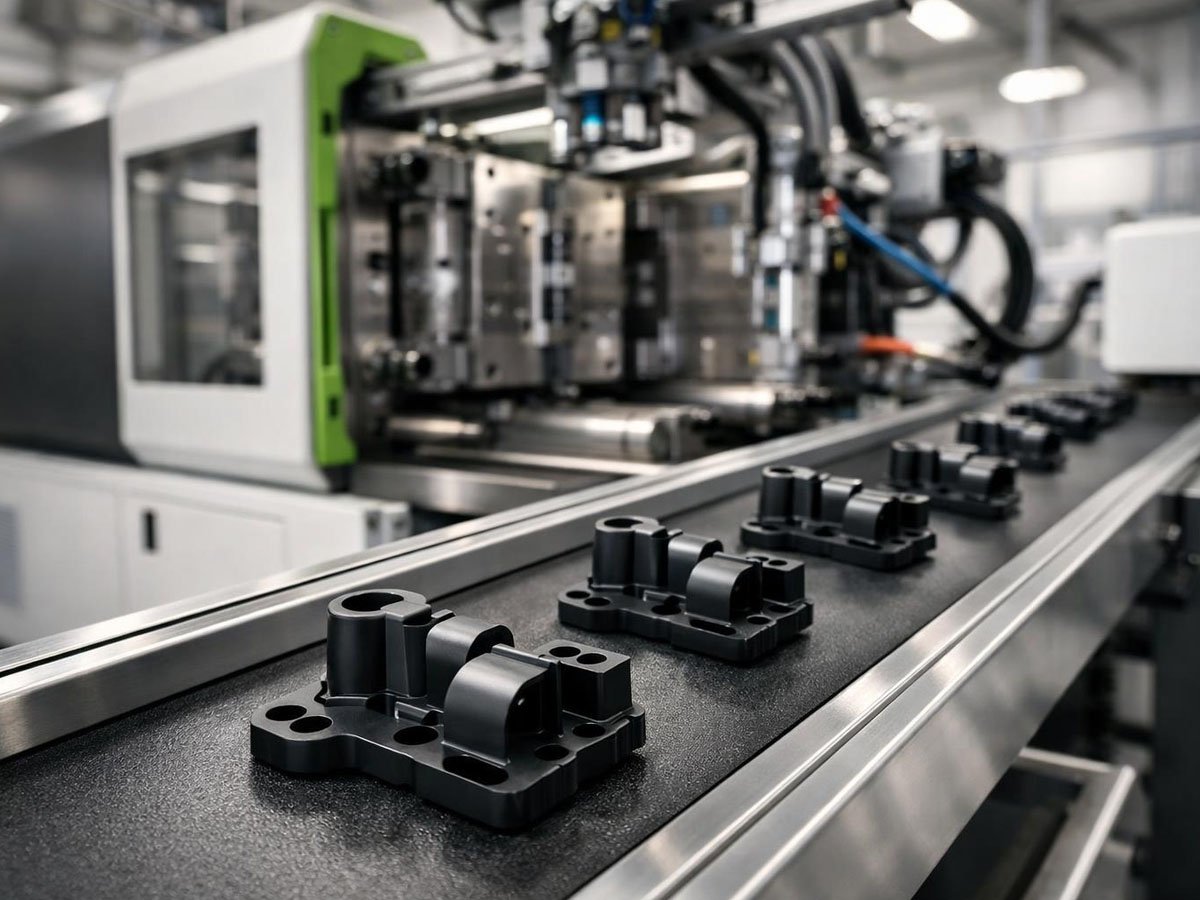
Cavity count, side holes and undercuts, metal inserts, and secondary operations all affect mold and part cost. Set cavity count by expected volume, not by the largest possible number.
Sampling and Revision Control
Once the design is released, that revision is the reference for the mold, sample inspection, and production. When approving samples, record what passed and what remains open.
Conclusion
The reliability of automotive plastic brackets comes from the combination of material, structure, and molding, especially at the bolted joint, where creep needs to be allowed for. Define the load and environment first, then choose the material and fastening method, and review them before the mold is cut.
If you are developing automotive plastic brackets, send us your drawings, material requirements, load and temperature conditions, and expected volume. We can review the design and moldability before tooling begins.