Medical device enclosure design plays a direct role in the performance and safety of medical equipment. They need strict requirements for protection, hygiene, and reliability.
What is a Medical Device Enclosure?
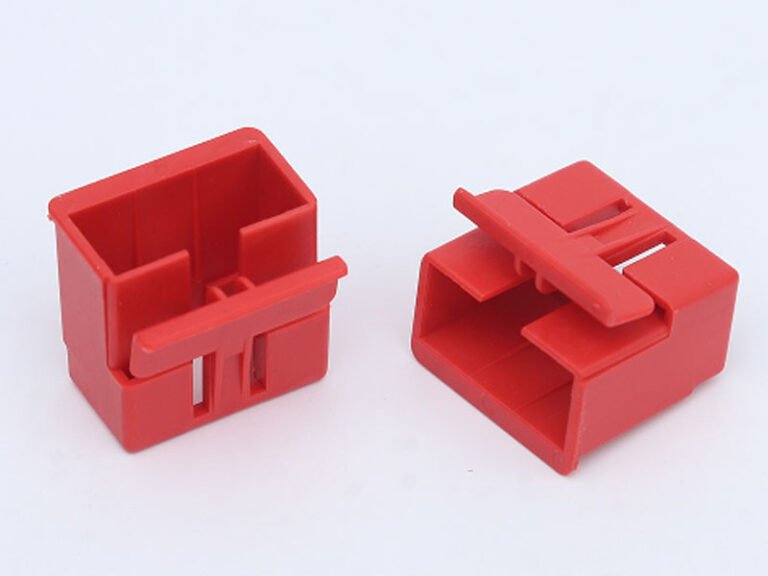
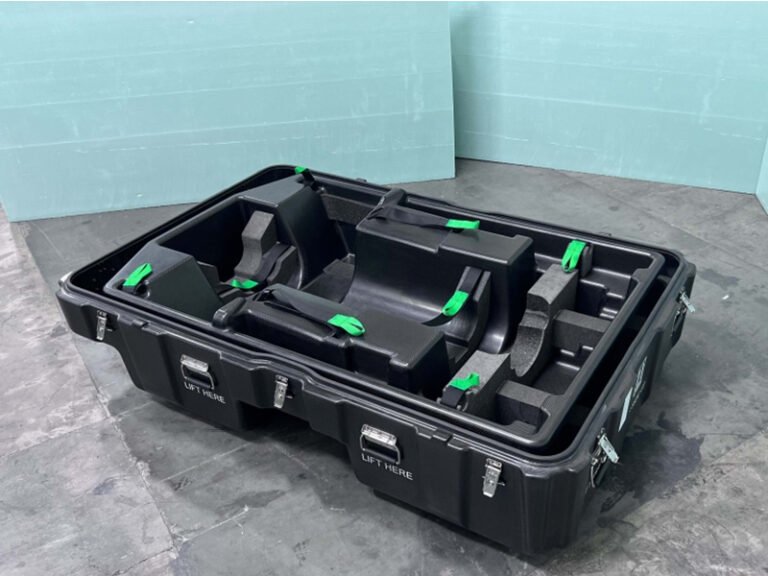
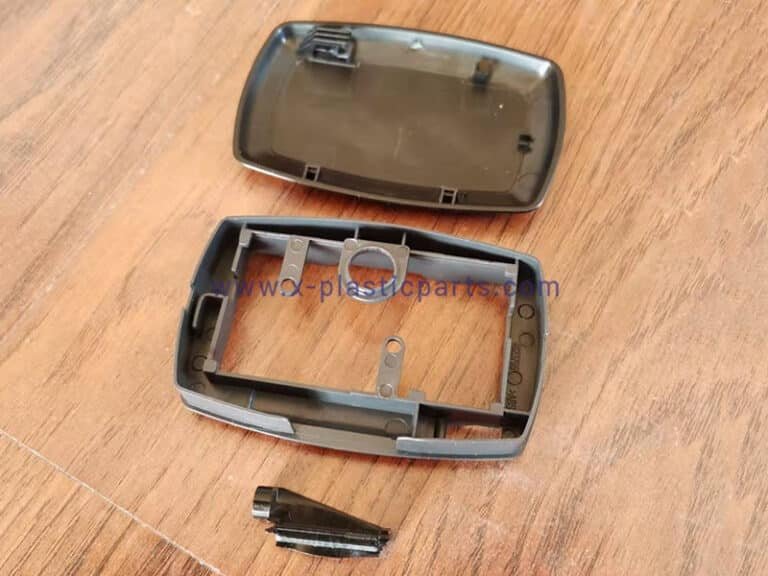
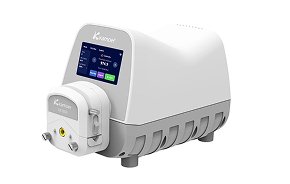
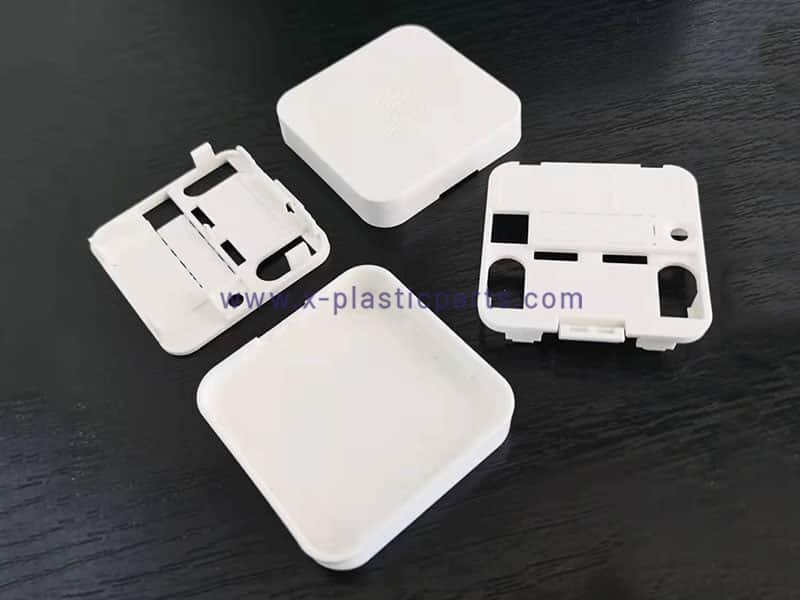
A medical device enclosure refers to the outer housing that safeguards medical equipment from external factors such as dust, moisture, and physical impact. It is engineered to maintain the integrity of sensitive internal components while providing structural support. In many cases, medical device enclosures also contribute to the device’s overall functionality, accommodating controls, displays, and connection ports. In addition to physical protection, they can influence factors such as heat dissipation, electromagnetic interference (EMI) shielding, and ease of cleaning. As such, the selection and design of a medical enclosure are central to the overall success of any medical device.
Many of these requirements also apply to Plastic Electrical Enclosures designed to protect sensitive electronic components and connections.
Why Enclosure Design is Important in Medical Equipment
The design of enclosures for medical equipment impacts safety, compliance, and user experience.
Safety Considerations: Properly designed enclosures prevent accidental exposure to electrical components and reduce the risk of device failure. Medical device enclosures must meet rigorous safety standards to protect both patients and healthcare professionals.
Regulatory Compliance: Medical enclosures must adhere to industry regulations such as ISO 13485 and IEC 60601. These standards dictate mechanical strength, electrical safety, and environmental resistance requirements. Non-compliant designs can result in costly delays or device recalls.
User Experience: The physical layout, shape, and interface of a medical device enclosure affect how easily a device can be operated. Well-designed enclosures improve ergonomics and contribute to efficient workflows in medical settings.
Durability and Maintenance: Devices undergo frequent cleaning with aggressive disinfectants, experience daily handling, and must withstand occasional drops or collisions during transport. A well-designed medical device enclosure reduces these risks and extends service life.
Common Materials for Medical Device Enclosures
Selecting the right material is critical for medical device enclosure performance. Material choice affects strength, weight, chemical resistance, cost, and manufacturability. Based on the device type and usage conditions, metals and plastics are the common material types.
Metals for Medical Device Enclosures
- Stainless steel offers high corrosion resistance and withstands repeated disinfection cycles. It suits fixed installations where strength outweighs weight.
- Aluminum provides a lighter alternative with good thermal conductivity, making it suitable for enclosures that need efficient heat dissipation.
Both metals support precise machining for custom cutouts and maintain structural integrity under mechanical stress.
Plastics for Medical Device Enclosures
Plastics are suitable for portable and cost-sensitive applications.
- ABS delivers impact resistance and ease of molding at a moderate price.
- PC adds higher clarity and toughness for enclosures with visible displays.
- Nylon is used for components requiring high mechanical strength, durability, and thermal stability.
- ASA and ASA+PC blends combine UV stability, chemical resistance, and flame retardancy, which are essential for devices exposed to sunlight or harsh cleaners.
These materials meet UL 94 V-0 ratings and allow color matching for branding.
Other Materials for Medical Device Enclosure
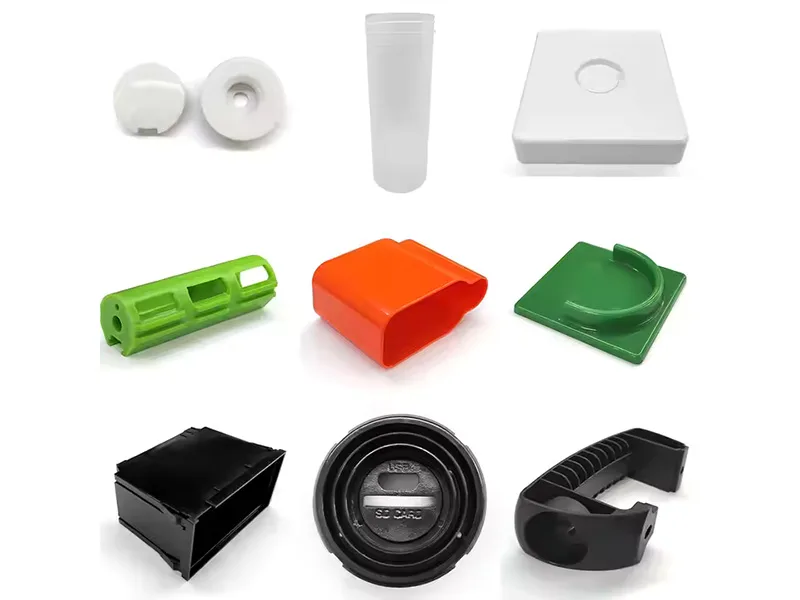
Composite materials offer a combination of lightweight properties, strength, and EMI shielding. They are increasingly used in advanced medical equipment to optimize performance without adding excessive weight.
Material selection should align with functional requirements, regulatory standards, and manufacturing capabilities. Our company will evaluate the project during the design phase and help choose suitable materials for different enclosures.
For a broader comparison of Plastic Enclosure Materials, including their properties and common applications, explore our guide.
Key Design Considerations
Designing a medical enclosure requires attention to multiple factors.
Regulatory Compliance: The enclosure must satisfy IEC 60601-1 for electrical safety, achieve the necessary IP rating for dust and water ingress, and use materials that pass biocompatibility and flame tests. Designers verify these requirements early to avoid costly redesigns.
Cleanability: Surfaces need to be smooth and free of crevices where residues could collect. Rounded edges and sealed seams simplify disinfection protocols used in hospitals.
Ergonomics and Maintenance: Enclosures should allow one-handed carrying where appropriate, provide clear access to connectors, and include removable panels for quick servicing. Cable entry points require strain relief and proper sealing to preserve the IP rating.
Thermal Management: Electronic components generate heat during operation. Medical enclosures must allow for adequate ventilation or integrate heat sinks to maintain stable operating temperatures.
Manufacturability: Enclosures should be compatible with intended manufacturing processes, such as injection molding, extrusion, or metal stamping. Designs that are difficult to manufacture can increase costs and production lead times.
Custom vs. Standard Enclosures
Standard enclosures offer speed and lower initial cost. Off-the-shelf medical equipment enclosures come in fixed sizes with pre-defined features and are available from multiple suppliers. They suit straightforward applications where dimensions and layouts match catalog options. Lead times are short, and certification data is often already available.
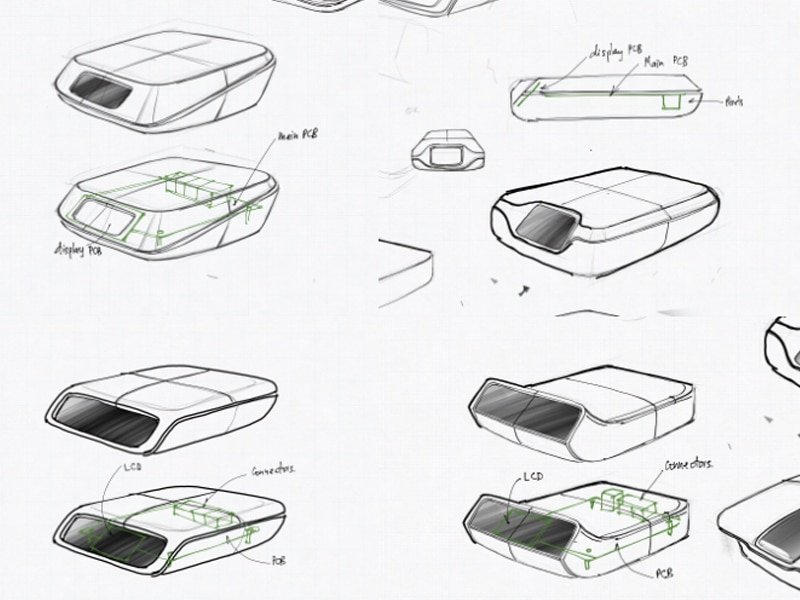
Custom enclosures address specific requirements that standard parts cannot meet. A device with unique sensor placement, proprietary connectors, or special mounting needs benefits from a tailored medical device enclosure.
Customization allows exact cutouts, integrated handles, color matching, and optimized internal layouts. Although the upfront design effort is higher, custom solutions often reduce overall project costs by eliminating adapters, simplifying assembly, and shortening time to market.
The decision depends on volume, timeline, and technical demands. Low-volume or prototype projects may start with standard enclosures and transition to custom versions once requirements are validated. High-volume production or differentiated products usually justify full customization.
Flexiparts Custom Medical Device Enclosure Solutions
Flexiparts offers end-to-end solutions for custom medical enclosures. Our approach combines design expertise, material selection, and manufacturing capabilities to meet diverse medical equipment requirements.
- Design Consultation: We begin with a thorough assessment of the device’s functional needs and regulatory considerations. Engineers work closely with clients to define specifications, layout, and ergonomics.
- Material Selection: Flexiparts recommends materials based on strength, weight, chemical resistance, and compliance with medical standards.
- Prototype Development: Prototypes are produced and tested for fit, function, and compliance. Feedback leads to rapid iterations until the design meets every criterion.
- Manufacturing: Flexiparts supports both small and large-scale production runs using processes such as injection molding, CNC machining, and metal fabrication. Our production methods ensure consistent quality, precision, and durability.
- Customization Capabilities: We accommodate unique design features, including specialized ports, ventilation patterns, surface textures, and branding elements. This ensures that the final medical device enclosure supports the device’s performance while aligning with client specifications.
- Additional Service: Flexiparts also supports secondary operations such as silk-screen printing, laser marking, and assembly of gaskets or filters.
Conclusion
From material choices to design details, every aspect influences the success of the medical enclosures. Medical equipment is just one of the many plastic enclosure applications across different industries. Custom options deliver precision where it matters most. For projects requiring a tailored medical device enclosure, contact Flexiparts to discuss requirements and explore the available solutions.