In industrial systems, bolted flange connections represent one of the most common static sealing methods. From petrochemical plants to power generation equipment, rubber gasket flange seals play a critical role in preventing leakage, protecting equipment, and ensuring operational safety. Choosing the right gasket design and material is therefore essential for reliable sealing performance.
Common Non-Metallic Gasket Materials
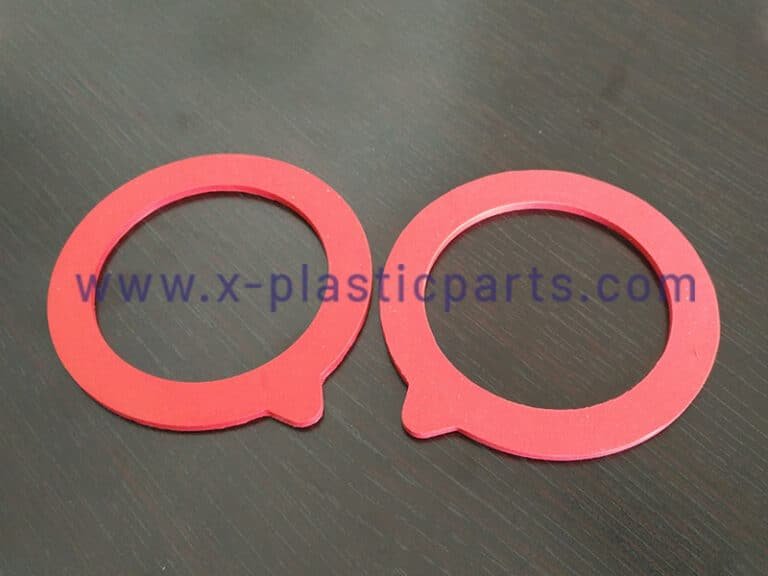
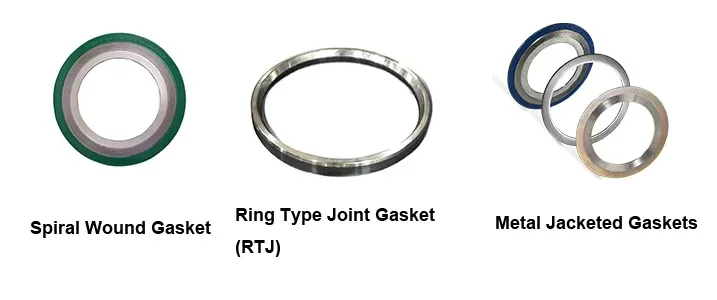
Non-metallic gaskets are widely used for flange sealing, with materials including rubber, flexible graphite, compressed fiber materials (CNF), and PTFE. Among these, rubber stands out due to its elasticity and conformability. It can compensate for minor surface imperfections at relatively low bolt loads, offering a cost-effective solution in medium to low-pressure, moderate-temperature, and mildly corrosive environments.
Compression Ratio Design for Rubber Gaskets
A key factor in gasket performance is the compression ratio (CR). This metric ensures that the gasket is adequately compressed to fill flange surface irregularities without over-compressing. The formula is as follows:
CR = (t₀ – tc) / t₀ × 100%
- t₀ is original gasket thickness.
- tc is compressed gasket thickness.
Typically, the recommended compression ratio falls within the range of 15% to 25%. This value may be adjusted as appropriate based on the specific material properties. An insufficient compression ratio results in inadequate filling; surface irregularities on the flange face remain uncovered, thereby increasing the risk of leakage. Conversely, an excessive compression ratio causes the rubber to lose its elastic recovery capabilities, making it prone to permanent deformation or extrusion.
Sources of Compression Force
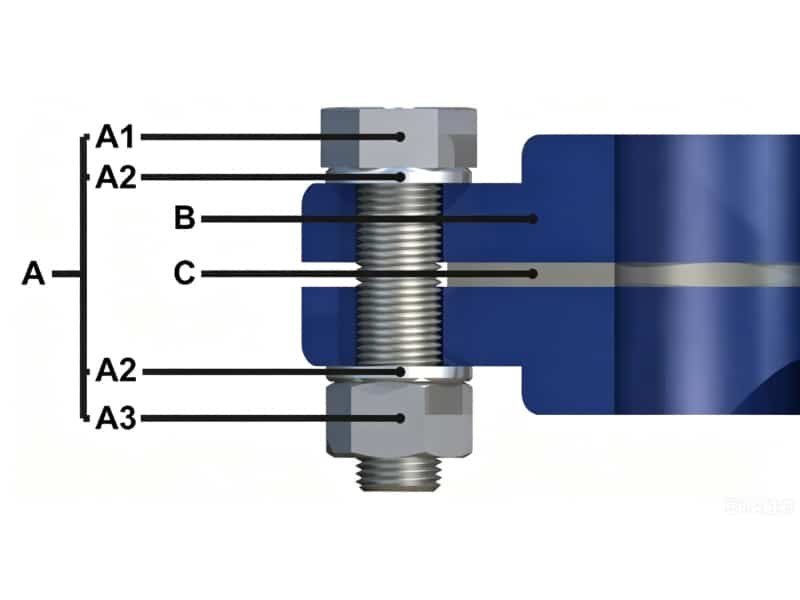
Typically, gaskets are employed in environments where two components are joined via bolted connections. The sealing principle behind bolted joints can be simplified to the concept of “the bolt acting as a spring.” When a nut is tightened, the bolt elongates, storing elastic potential energy that provides a continuous compressive force against the gasket. Theoretically, a bolt should be stretched into the region exceeding 50% of its yield strength to ensure that a stable residual stress is maintained even when the system experiences relaxation or fluctuations.
The Unique Characteristics of Rubber Gaskets
Many rigid gaskets (graphite, PTFE, or metal-reinforced types) require high loads to seat properly, naturally pulling bolts into a desirable high-yield range.
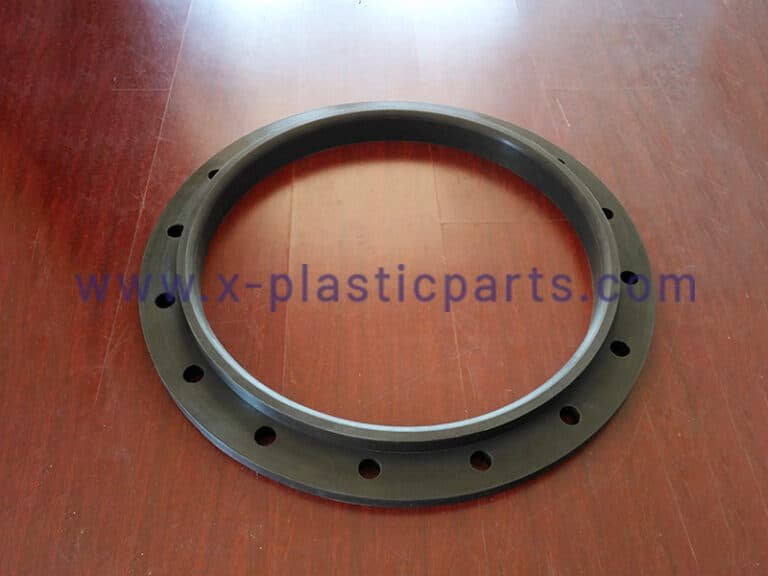
Rubber gaskets for flange applications are different. Their low compression modulus means they reach the needed 15–25% compression at much lower bolt forces. The bolts experience limited elongation and stay in a low-strain zone. This reduced “spring effect” means any relaxation, vibration, or temperature swing can quickly drop the residual sealing force. That’s why rubber gasket flange seal designs cannot simply rely on bolt stretch—they need smart engineering to compensate for these natural limitations.
Limiting Design to Enhancing Compression Accuracy and Extrusion Resistance
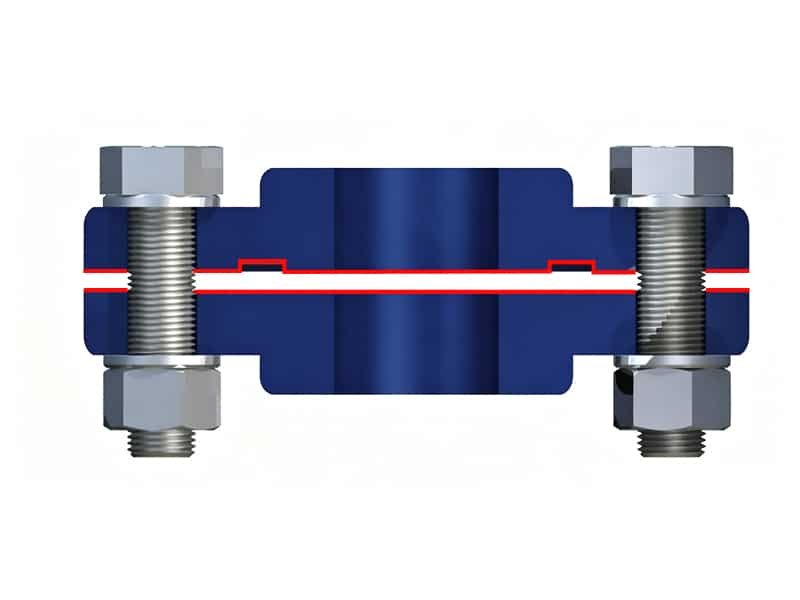
Since rubber gaskets cannot rely solely on the high-elongation zone of bolts to maintain a stable seal, engineering practice typically employs geometric limitations and rigid constraints to enhance application reliability. Common methods for limiting compression include:
1. Flange Geometry Constraints
Tongue & Groove: Engages gasket edges, preventing lateral flow.
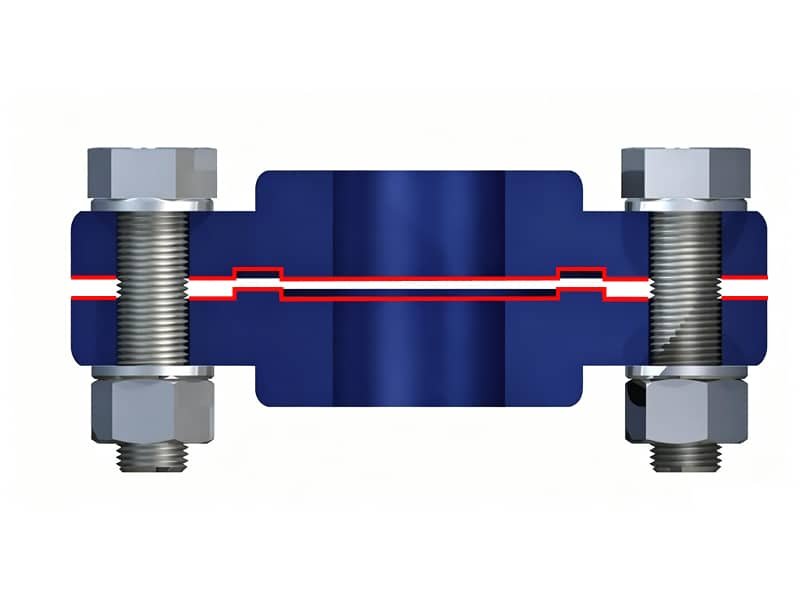
Male-Female Faces: Help guide and stabilize gasket placement.
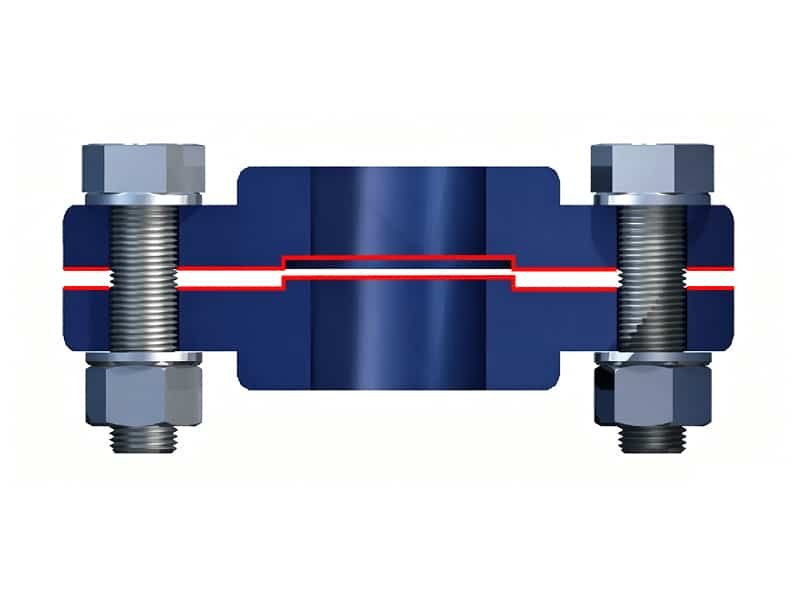
Flat Face with Groove: The gasket sits in a cavity, with compression controlled by groove depth.
2. Metal Limiters
- Limit Rings or Skeletons: Steel rings or metal skeletons are embedded within the rubber; once compressed to a specific thickness, the metal components make contact, creating a “hard stop” that locks in the compression ratio.
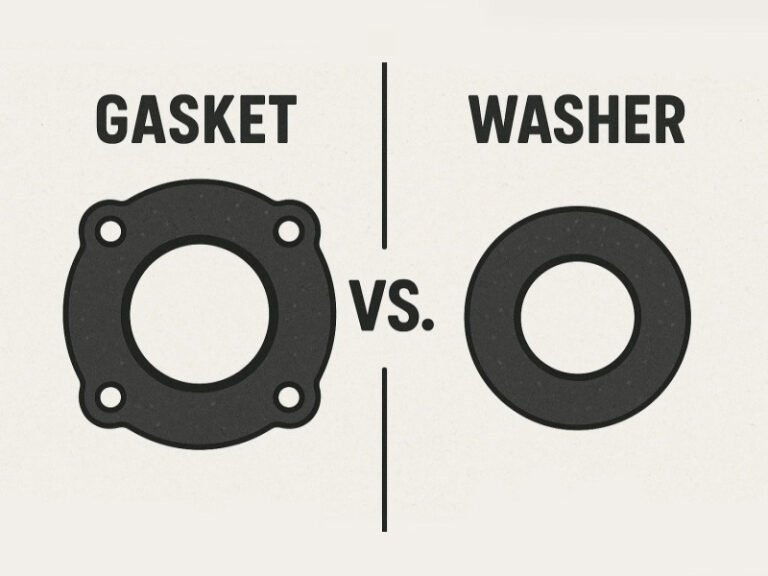
- Metal Edging or Eyelets: Metal edging is applied to the bore or outer periphery to restrict the radial flow of the rubber, thereby preventing tearing. A typical design example is the composite washer.
3. Material Reinforcement
- Fabric/Metal Mesh Reinforcement: Incorporating fabric layers or metal mesh within the rubber matrix enhances overall stiffness and dimensional stability.
- Hardness Adjustment: Increasing rubber hardness improves extrusion resistance; however, this must be balanced against the need to ensure proper conformity with the sealing surfaces.
4. Combined Approaches
In many applications, a combination of rubber and metal frameworks is used. The rubber provides the sealing surface, while metal components precisely control compression and resist extrusion. Cylinder head gaskets are a common example.
Engineering Selection Guidelines
When flange precision is high and the applied load is stable, thin rubber gaskets may be utilized; the compression ratio should be controlled within the 15%–20% range, relying on proper installation procedures to ensure effective sealing.
When flanges are rough, gaps are significant, or pressure fluctuations are pronounced, priority should be given to the use of tongue-and-groove configurations or metal limiter components to prevent excessive flow (extrusion) of the rubber material.
For environments involving high temperatures or aggressive media, materials such as FKM or HNBR should be selected, ideally in conjunction with a reinforced design.
Installation Considerations for Rubber Gasket Flange Seals
Proper installation is crucial for long-term sealing:
- Torque Control: Employ a torque wrench or hydraulic tensioner to minimize installation errors.
- Cross-Pattern, Stepwise Tightening: Tighten fasteners in a diagonal, alternating sequence, gradually increasing the torque to ensure uniform load distribution.
- Re-torquing: Rubber materials typically undergo significant relaxation within 24 hours of installation; re-torquing serves to compensate for this compression set (permanent deformation).
Conclusion
Flexiparts specializes in designing and manufacturing custom rubber gaskets for flange applications, offering expert guidance on material selection—including FKM, HNBR, and NBR—as well as custom geometries such as tongue & groove, male-female, and groove flange designs. Our solutions also include reinforced gaskets with metal inserts or fabric layers, and we provide on-demand prototyping and small-batch production to ensure every rubber gasket flange seal meets strict operational