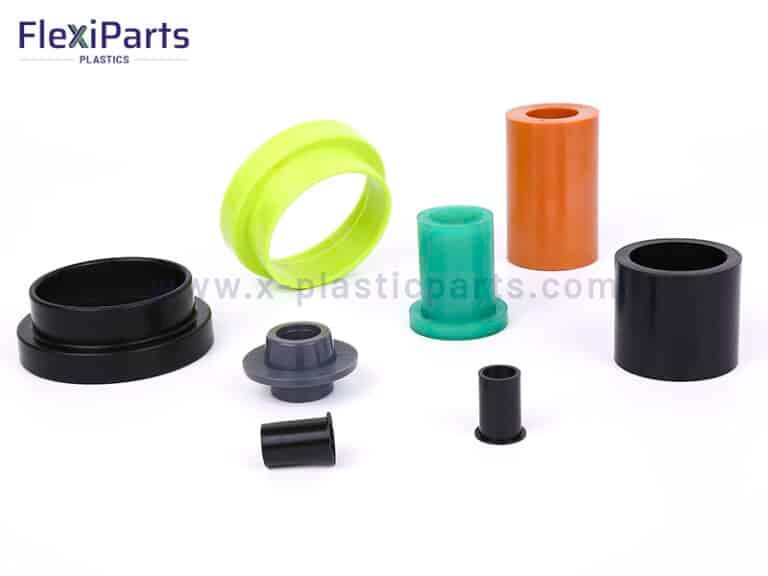
Choosing the right plastic bushing is more than selecting a material. Load, operating temperature, friction, chemical exposure, and manufacturing method all influence service life and performance. This guide explains how to select the right plastic bushing for different applications and compares the most common engineering plastics used in custom manufacturing.
What are Plastic Bushings?
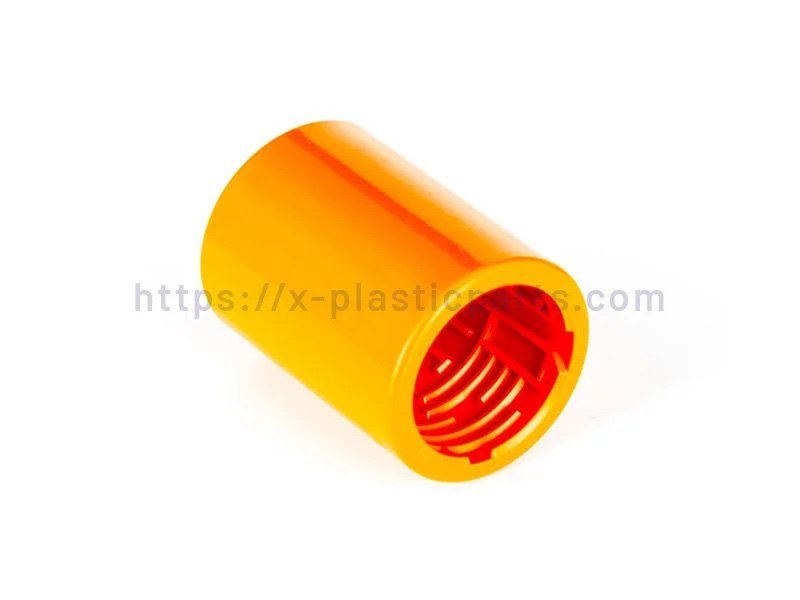
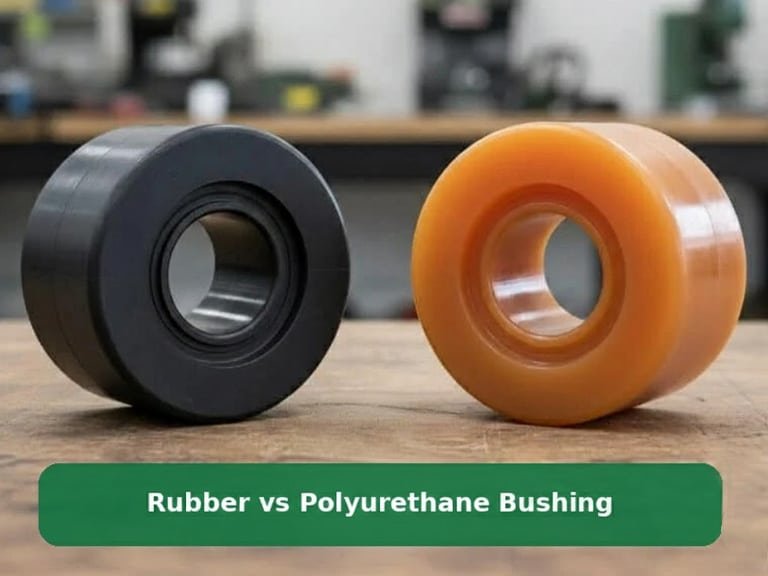
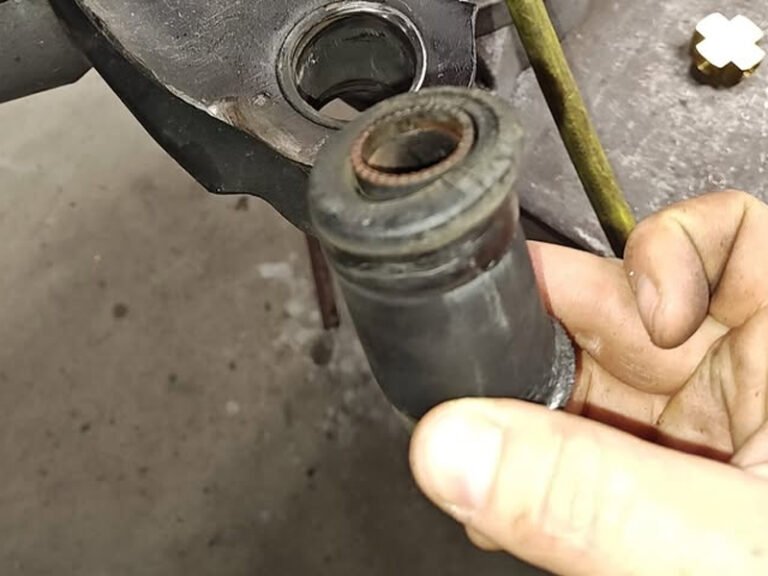
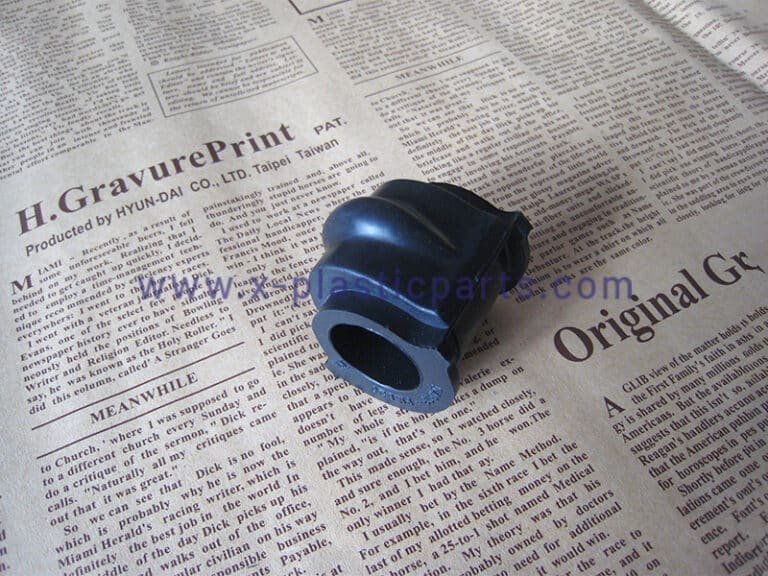
A plastic bushing is a type of bearing that is made from durable plastic materials. These bushings are typically used in machinery to reduce friction between moving parts, providing smoother and quieter operation.
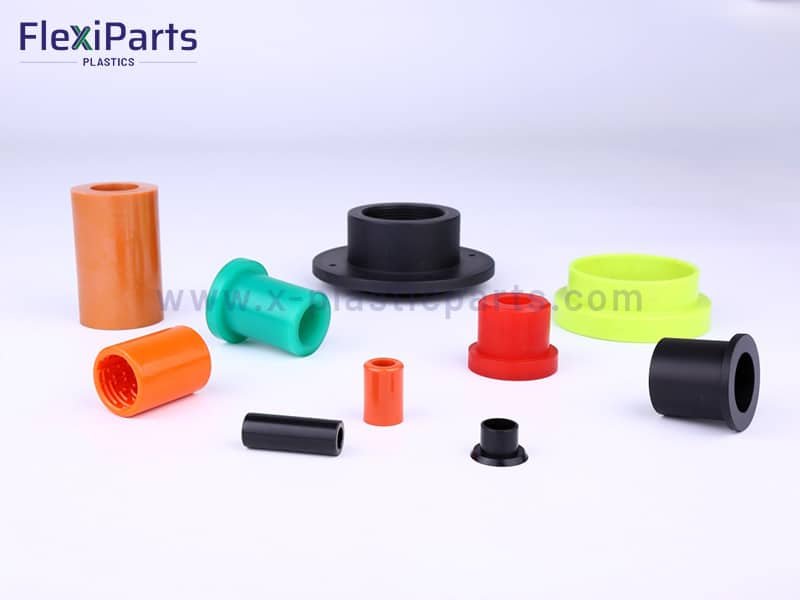
Why Bushing Material Selection Matters?
The material of a plastic bushing directly affects how long it lasts and how well it performs in service. Different plastics have different capabilities. Some materials are better at carrying heavy loads without deformation, while others generate less friction and reduce wear between moving parts. Certain plastics can operate continuously at temperatures above 200°C, whereas standard materials may soften or lose strength at much lower temperatures. In humid or chemical environments, choosing a material with good moisture and chemical resistance can prevent dimensional changes and premature failure.
Therefore, selecting the right material is not simply a matter of cost—it determines the bushing’s service life, maintenance requirements, and overall performance in the application.
How to Choose the Right Plastic Bushing?
Selecting the appropriate plastic bushing involves evaluating several factors tailored to industry needs. Key considerations include:
- Load Capacity: Plastic bushings should be chosen based on the load they will support. Some materials, like acetal, offer better strength for heavy-duty applications, while others, like nylon, are more suitable for lighter loads.
- Temperature Resistance: Certain plastic materials, such as PEEK, PTFE, can withstand higher temperatures, making them suitable for applications like automotive engines or high-performance machinery. Standard manufacturing can use UHMWPE for ambient conditions.
- Chemical Exposure: For environments where chemicals are prevalent, plastic bushings made from PTFE or nylon offer superior resistance to chemical degradation.
- Friction and Wear Resistance: If an application involves high friction, materials like UHMW or PTFE are ideal due to their low coefficient of friction and wear resistance.
Common Plastic Bushing Materials
Plastic bushing materials include several types of polymers, each selected based on specific performance needs.
- Nylon: One of the most common materials, nylon bushings are durable, wear-resistant, and have a high melting point. They are often used in applications where strength and longevity are important.
- PEEK: PEEK provides high temperature resistance up to 482°F and chemical stability. It is ideal for demanding environments.
- PTFE: Known for its excellent chemical resistance and low friction properties, PTFE is used in applications requiring resistance to harsh chemicals or extreme temperatures.
- POM: Acetal plastic is another material often used for bushings due to its high stiffness and strength, along with excellent dimensional stability. It is commonly used in high-precision mechanical systems.
- UHMW: UHMW bushings are highly resistant to wear and impact, making them ideal for applications that require extreme durability.