
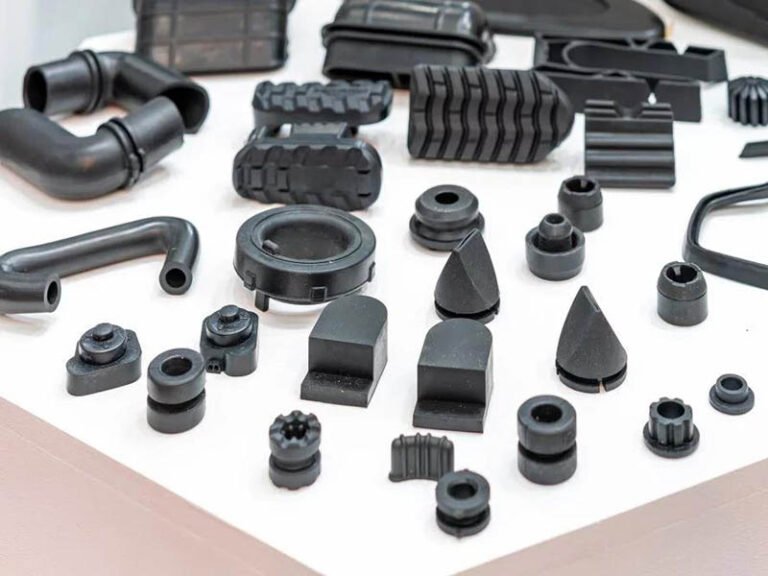
A typical passenger car contains far more rubber components than most people realize—rubber parts permeate nearly every system, from the engine bay to the exterior body, from seals to drivetrain components. For procurement teams and OEM supply-chain managers, understanding where these rubber parts are located, what performance each requires, and which materials are commonly used is the essential first step in selection and supplier evaluation.
Flexiparts has long supplied rubber parts, polyurethane (PU) parts, and matched injection-molding services to automotive customers. Drawing on production and material-selection experience, the article below outlines rubber-part applications and material-selection considerations across nine major vehicle systems.
1. Sealing System: Weather Resistance and Aging Resistance Are Key Requirements
Rubber components in automotive sealing systems are exposed to temperature changes, UV radiation, vibration, and long-term environmental conditions. Maintaining elasticity and resisting aging are the primary factors considered during material selection.
- Door Weatherstrips: EPDM (Ethylene Propylene Diene Monomer) rubber is widely used due to its excellent elasticity, weather resistance, waterproof performance, and wind noise reduction capability. It is one of the most common sealing materials in automotive applications.
- Window Sealing Frames: EPDM is also the preferred material for window sealing components because it provides reliable waterproofing, sound insulation, and vibration reduction.
- Engine Compartment Seals: EPDM or chloroprene rubber (CR) is commonly selected. These materials need to withstand high temperatures while maintaining resistance to oil and environmental exposure.
- Trunk Sealing Strips: EPDM rubber offers excellent aging resistance, allowing sealing performance to remain stable without becoming brittle or cracking after long-term use.
- Sunroof Seals: Silicone rubber is often selected because of its wide operating temperature range and ability to adapt to large temperature differences between day and night.
- Engine Cylinder Sealing Gaskets: Fluoro rubber (FKM) is used in high-temperature engine areas because it can withstand temperatures above 200°C and provides excellent resistance to chemicals.
- Door Anti-Vibration Sealing Strips: EPDM rubber is widely applied because it effectively absorbs vibration and impact during door closing.
2. Suspension System: Strength and Fatigue Resistance Are Equally Important
The suspension system continuously experiences impact loads and vibration during vehicle operation. Therefore, rubber components in this system require high mechanical strength and excellent fatigue resistance.
- Suspension Bushings: Natural rubber (NR) or styrene-butadiene rubber (SBR) is commonly used due to their good elasticity and vibration absorption performance.
- Shock Absorber Sealing Rings: Natural rubber is widely applied for shock absorber sealing rings because of its vibration resistance and acceptable oil resistance.
- Stabilizer Bar Bushings: Natural rubber or nitrile rubber (NBR) is selected because these components need to withstand continuous pressure and mechanical stress.
- Control Arm Bushings: Chloroprene rubber (CR) or styrene-butadiene rubber (SBR) is commonly used due to their improved aging resistance.
- Spring Pads: Nitrile rubber or natural rubber provides cushioning and vibration reduction performance.
- Suspension Isolation Blocks: Natural rubber remains a common choice because of its excellent damping performance and fatigue resistance.
3. Powertrain System: Oil Resistance and Wear Resistance Are Critical
Rubber components in powertrain systems are often exposed to lubricating oil and mechanical movement. Therefore, oil resistance and wear resistance are important material selection criteria.
- Drive Shaft Boots: Chloroprene rubber or nitrile rubber provides good oil resistance and weather resistance, making them suitable for protecting drive shaft joints.
- Engine Mount Pads: Natural rubber or styrene-butadiene rubber helps absorb engine vibration and reduce transmitted noise.
- Transmission Sealing Rings: Chloroprene rubber is commonly used because it provides balanced performance in oil resistance, heat resistance, and wear resistance.
- Clutch Damping Rubber Blocks: Nitrile rubber is often selected because it combines oil resistance with vibration damping capability.
- Drive Belts: Nitrile rubber or EPDM rubber is used for belts that require resistance to high temperatures and continuous wear.
4. Brake System: High Temperature Resistance Is Essential
During braking, the brake system generates significant heat. Rubber components must maintain reliable sealing performance while withstanding high temperatures and pressure conditions.
- Brake master cylinder seals: Nitrile rubber or fluoro rubber is commonly used because of their excellent oil resistance.
- Brake Wheel Cylinder Seals: NBR or FKM provides resistance to high pressure, high temperature, and brake fluid exposure.
- Brake Hoses: Chloroprene rubber is commonly applied because it offers oil resistance and resistance to brake fluid corrosion.
- Brake Pedal Rubber Pads: Styrene-butadiene rubber provides good wear resistance and anti-slip performance.
- Brake Caliper Dust Boots: Silicone rubber or nitrile rubber is selected for its excellent high-temperature resistance.
- Parking Brake Cable Rubber Covers: Chloroprene rubber provides good wear resistance and environmental durability.
5. Cooling System: High Temperature Resistance and Chemical Resistance
Rubber components in the cooling system are continuously exposed to coolant and elevated temperatures. Therefore, resistance to heat and chemical corrosion are critical requirements for material selection.
- Coolant Hoses: EPDM rubber is the primary material used because it provides excellent resistance to high temperatures and coolant exposure.
- Radiator Sealing Gaskets: Natural rubber or nitrile rubber is commonly selected due to their good vibration resistance and sealing performance.
- Water Pump Sealing Rings: Fluoro rubber (FKM) is used because it offers excellent high-temperature resistance and chemical corrosion resistance.
- Thermostat Sealing Rings: FKM or silicone rubber is often selected for applications requiring strong resistance to chemicals and high operating temperatures.
6. Fuel System: Resistance to Fuel Corrosion Is the Primary Requirement
Rubber components in fuel systems must maintain stable performance when exposed to fuel, fuel vapor, and chemical substances. Excellent oil resistance and corrosion resistance are essential.
- Fuel Hoses: Nitrile rubber (NBR) or hydrogenated nitrile rubber (HNBR) is commonly used because of its strong resistance to fuel and oil.
- Fuel Pump Sealing Rings: Fluoro rubber (FKM) provides excellent fuel resistance and maintains sealing reliability under demanding conditions.
- Fuel Tank Vent Hose Rubber Covers: NBR is selected because it can withstand fuel vapor exposure and chemical attack.
- Fuel Injector Sealing Rings: FKM is widely used because it maintains stable performance under high-temperature and high-pressure operating conditions.
7. Interior Rubber Components: Comfort and Anti-Slip Performance
Rubber components inside the vehicle focus more on user comfort, anti-slip performance, and moisture resistance. These parts need to provide a reliable user experience while maintaining long-term durability.
- Waterproof Floor Mats: Natural rubber or styrene-butadiene rubber (SBR) is commonly used because of their good waterproof performance.
- Pedal Rubber Pads: SBR provides excellent wear resistance and anti-slip properties, making it suitable for accelerator, brake, and clutch pedals.
- Steering Wheel Anti-Slip Covers: Silicone rubber or SBR is often selected due to its soft touch, durability, and comfortable grip.
- Seat rail Rubber Pads: Natural rubber provides cushioning performance and helps reduce friction and vibration during seat adjustment.
- Dashboard Anti-Slip Pads: Silicone rubber is commonly applied because it offers softness, wear resistance, and stable performance.
8. Exterior Rubber Components: Weather Resistance and Wear Resistance Are Main Considerations
Exterior automotive rubber parts are directly exposed to sunlight, rain, temperature changes, and mechanical wear. Therefore, weather resistance and durability are the main material requirements.
- Windshield Wiper Blades: Natural rubber or chloroprene rubber is commonly used because of its flexibility, wear resistance, and ability to maintain contact with glass surfaces.
- Bumper Protection Strips: Chloroprene rubber provides good impact resistance and aging resistance.
- Antenna Base Rubber Pads: EPDM rubber is widely used because of its excellent UV resistance and long-term weather durability.
- Lighting Sealing Components: Silicone rubber or EPDM rubber is commonly selected to provide reliable sealing performance.
- Mudguard Rubber Pads: Natural rubber or SBR provides good wear resistance and protection against road debris.
9. Rubber Components in Other Automotive Parts
In addition to the major vehicle systems mentioned above, many other automotive components also use rubber parts to improve durability, vibration control, and sealing performance.
- Door Hinge Rubber Pads: Nitrile rubber is commonly used because of its wear resistance and elasticity.
- Trunk Support Rod Rubber Pads: Natural rubber provides good wear resistance and cushioning performance.
- Sunroof Guide Rail Rubber Strips: EPDM or silicone rubber is selected to provide smooth sliding performance and long service life.
- Exhaust Pipe Hanger Rubber Mounts: Nitrile rubber is used because it can withstand high temperatures and continuous vibration.
Quick Reference Guide for Common Automotive Rubber Materials
| Material | Main Characteristics | Typical Applications |
|---|---|---|
| Natural Rubber (NR) | Excellent elasticity, good wear resistance, high tensile strength, but limited oil and weather resistance | Suspension bushings, floor mats, windshield wiper blades |
| Styrene-Butadiene Rubber (SBR) | Good wear resistance and cost efficiency | Suspension bushings, pedal pads, engine mounts |
| Nitrile Rubber (NBR) | Excellent oil resistance | Drive belts, oil seals, fuel hoses |
| Chloroprene Rubber (CR) | Balanced resistance to weather, oil, and flame | Brake hoses, transmission sealing components |
| EPDM Rubber | Excellent weather resistance, ozone resistance, and aging resistance | Door seals, coolant hoses |
| Fluoro Rubber (FKM) | High-temperature resistance (above 200°C), excellent chemical resistance | Engine gaskets, water pump seals |
| Silicone Rubber | Wide operating temperature range and excellent temperature stability | Sunroof seals, steering wheel covers |
Conclusion
From sealing systems and suspension systems to powertrain, braking, cooling, and fuel systems, automotive rubber parts are used throughout almost every area of a vehicle. Different applications require different material properties, including oil resistance, high-temperature resistance, weather resistance, chemical resistance, and fatigue performance. Selecting the right rubber material directly affects vehicle safety, durability, and overall driving experience.
Flexiparts specializes in providing custom automotive rubber parts, PU components, and precision injection molding services for automotive customers. Based on different application requirements, including oil resistance, high-temperature performance, weather resistance, and fatigue resistance, our engineering team can provide professional material selection recommendations and customized manufacturing solutions.
If you are looking for a reliable rubber parts manufacturer for your automotive project, contact Flexiparts for material evaluation and customized production support.