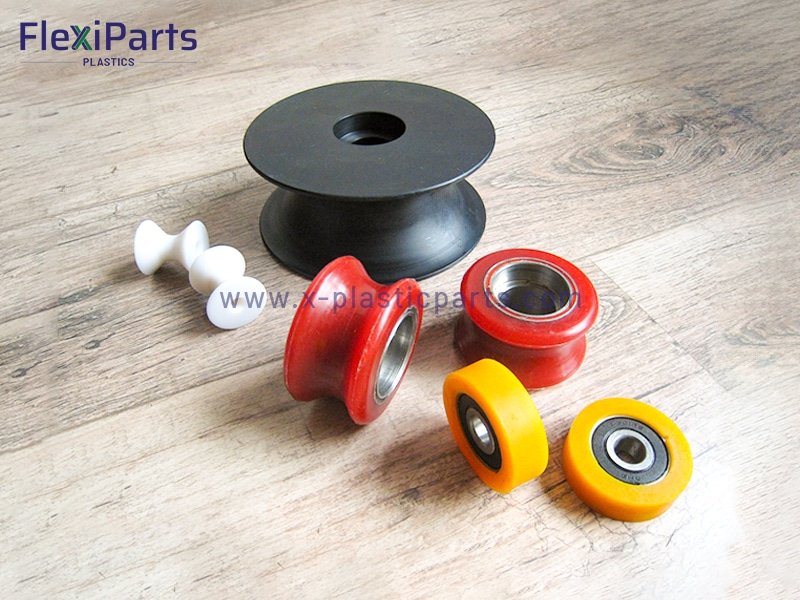
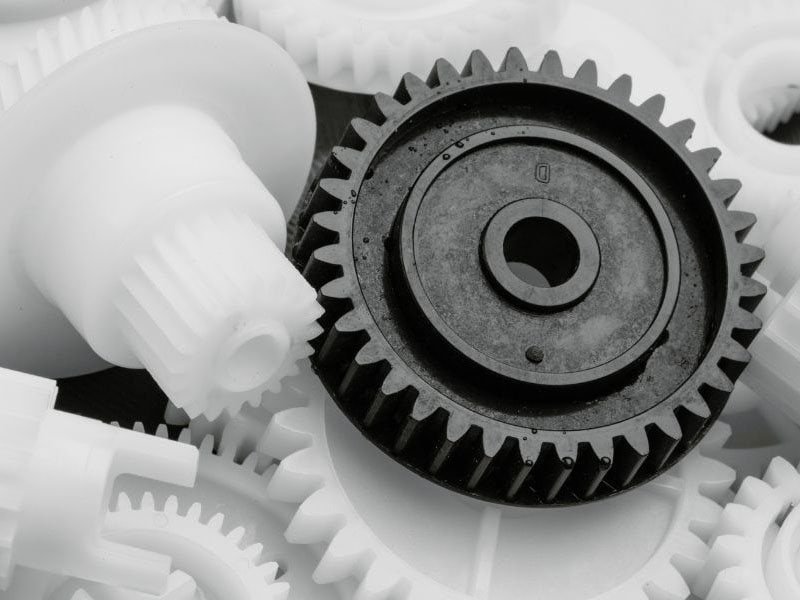
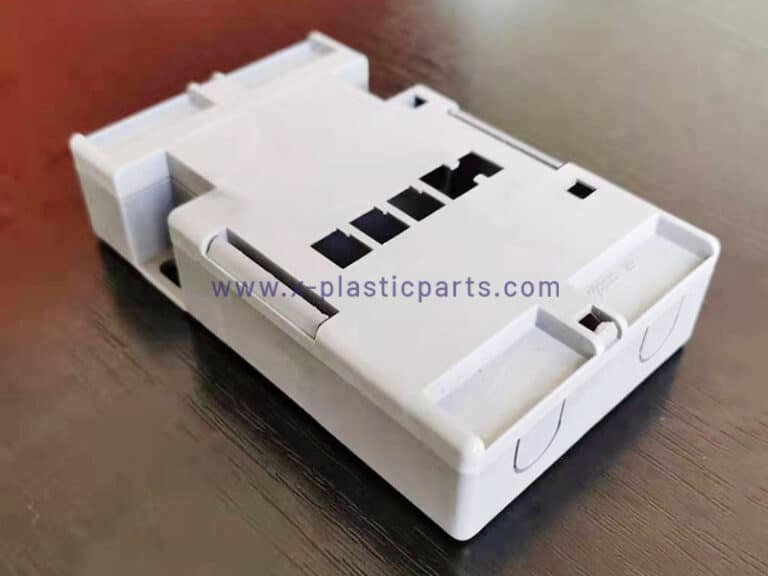
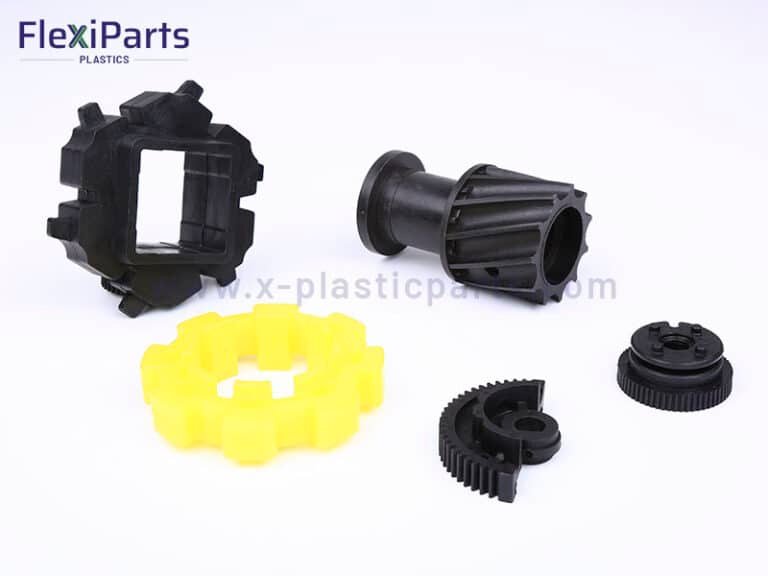
When producing high-performance plastic pulleys and gears, even small deviations can lead to noise, vibration, and premature failure. Machining errors plastic parts are far more common than in many other materials, and they can seriously impact the accuracy and service life of power transmission components.
What Are Machining Errors in Plastic Parts?
Machining error refers to the degree of deviation between the actual geometric parameters (geometric dimensions, geometric shape, and relative positions) of a machined part and its ideal geometric parameters. The degree of conformity between the actual and ideal geometric parameters after machining is called machining accuracy.
The smaller the machining error and the higher the degree of conformity, the higher the machining accuracy. Machining accuracy and machining error are two ways of stating the same thing. Therefore, the magnitude of machining error reflects the level of machining accuracy.
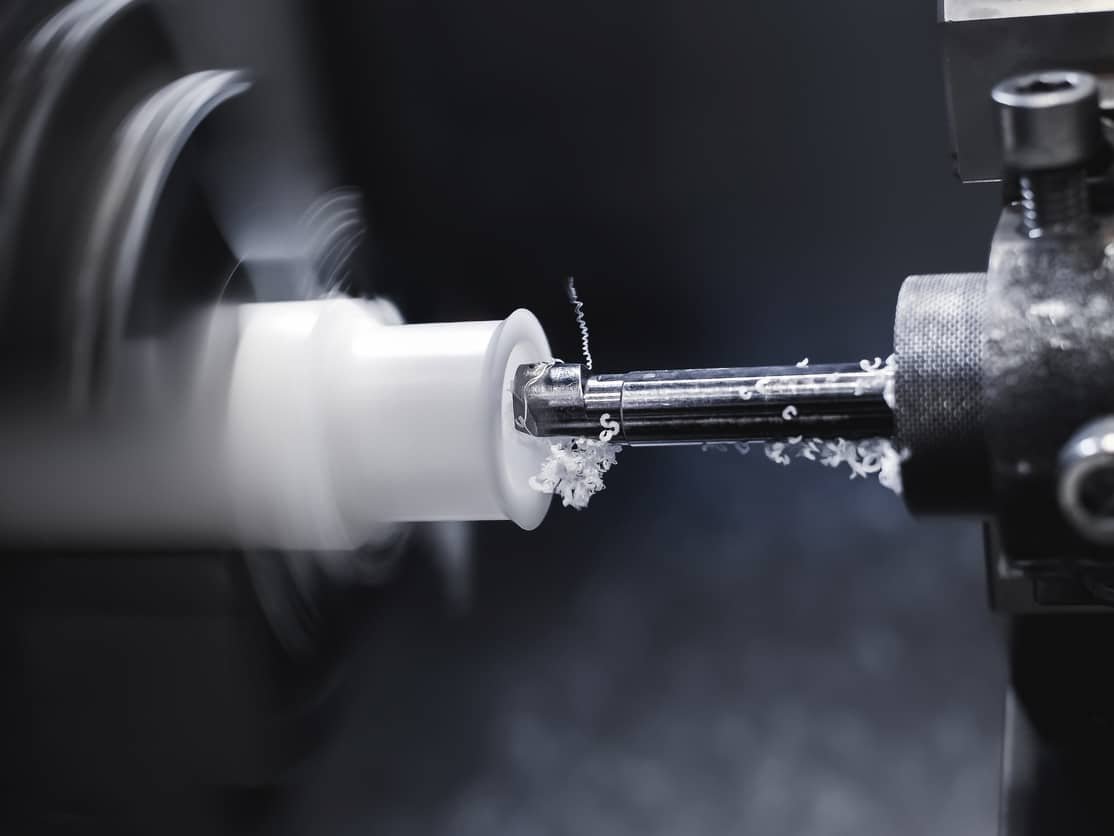
Common Causes Machining Errors Plastic Parts
Achieving tight tolerances in machining plastic components—especially functional parts such as pulleys and gears—requires a clear understanding of where machining errors in plastic parts originate. In practice, plastic machining accuracy errors are rarely caused by a single factor. Instead, they result from the interaction of machine capability, tooling, process setup, and material behavior.
1. Machine Tool Manufacturing Errors
Machine-related inaccuracies form the foundation of many machining errors. These typically include spindle rotation error, guideway error, and transmission chain error.
- Spindle rotation error refers to the deviation of the spindle’s actual rotational axis from its ideal average axis at any given moment. This directly affects part precision. Common causes include spindle coaxiality deviation, bearing inaccuracies, misalignment between bearings, and spindle deflection.
- Guideway error arises because guideways define the relative position and motion of machine components. Manufacturing imperfections, uneven wear over time, and poor installation quality all contribute to guideway inaccuracies.
- Transmission chain error describes the deviation in motion between the input and output elements of the drive system. These errors stem from manufacturing and assembly inaccuracies within the chain, as well as wear during operation.
2. Tool Geometry Errors
Cutting tools inevitably wear during operation, which alters both part dimensions and geometry. The impact of tool geometry errors depends on tool type:
- For form tools or fixed-dimension tools, any manufacturing error in the tool directly transfers to the workpiece, significantly affecting accuracy.
- For general-purpose tools (such as turning tools), tool manufacturing error has less direct influence, though wear over time still contributes to machining errors in plastic parts.
3. Fixture Geometry Errors
Fixtures are responsible for positioning the workpiece correctly relative to the machine and cutting tool. Any geometric inaccuracy in the fixture can lead to misalignment, positional deviation, and inconsistent repeatability. These errors are particularly critical when machining pulleys and gears, where positional accuracy directly affects performance. Fixture-related deviations are a key source of machining errors, especially in multi-axis CNC operations.
4. Positioning Errors
Positioning errors mainly include datum misalignment and inaccuracies in the locating system.
- Datum misalignment error occurs when the positioning reference used during machining does not coincide with the design datum specified in the part drawing. This mismatch leads to dimensional and positional deviations.
- Locating pair inaccuracies arise from imperfect manufacturing or clearance between the workpiece and fixture locating elements. The resulting maximum positional variation contributes to overall error.
5. Deformation Under Cutting Forces
During machining, the process system (machine, tool, fixture, and workpiece) is subjected to cutting forces, which can cause deformation.
Workpiece stiffness: If the workpiece is less rigid than the machine or tooling, it may deform under cutting forces. This is especially relevant for plastic parts, where low modulus materials are prone to deflection, increasing machining errors plastic parts.
Tool stiffness: For example, external turning tools usually have sufficient rigidity, so deformation is negligible. However, when boring small internal holes, the tool bar may lack stiffness, and its deflection significantly affects machining accuracy.
Machine component stiffness: Machine assemblies consist of multiple parts, and their combined stiffness is difficult to calculate analytically. Factors such as contact deformation at joints, friction, low-rigidity components, and internal clearances all influence system stiffness.
6. Thermal Deformation of the Process System
Heat generation during machining leads to thermal expansion in the machine, tool, and workpiece. Thermal deformation is especially critical in precision machining and large-scale components
In some cases, errors caused by thermal effects can account for up to 50% of the total machining deviation. For plastic materials, which typically have higher thermal expansion coefficients than metals, this becomes a dominant source of CNC errors.
7. Adjustment Errors
Each machining operation requires system adjustments, whether aligning the tool, setting the workpiece, or calibrating the machine. Because perfect adjustment is not achievable, adjustment errors are inevitable. When the initial accuracy of the machine, tool, fixture, and raw material already meets process requirements—and dynamic factors are excluded—adjustment errors can become the primary contributor to overall machining errors.
8. Measurement Errors
Measurement errors occur during or after machining due to the limitations of the measuring method, the precision of the measuring instruments, and various subjective or objective factors related to the workpiece and environment.
9. Residual Stress
Residual stress refers to internal stress within a material that exists without external force.
Once introduced, residual stress places the material in an unstable, high-energy state. Over time, the material tends to release this stress, leading to warping, dimensional changes, and loss of machining accuracy. In plastic components, stress can be introduced during material processing or machining. If not properly managed, it becomes a hidden but significant source of plastic machining accuracy errors.
Why Pulleys and Gears Are Particularly Sensitive?
Pulleys used in automotive, industrial, or window systems demand smooth, quiet operation and stable performance across temperature changes. Any machining errors in groove depth or outer diameter can cause belt slippage, vibration, or accelerated wear.