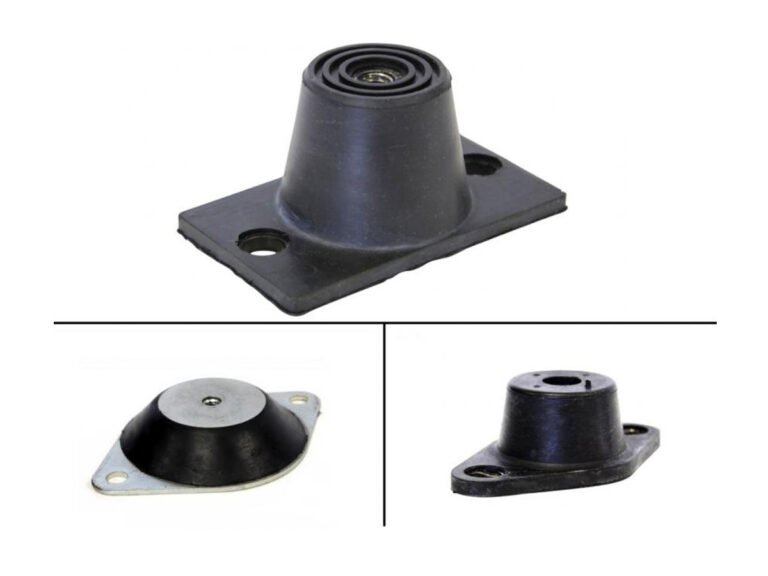
Excessive vibration can damage machinery, reduce precision, and create noise that disrupts operations. Effective vibration isolation protects your equipment, extends its lifespan, and improves overall performance.
What is Vibration Isolation?
Vibration isolation refers to the processes and techniques used to minimize or eliminate the transmission of unwanted mechanical vibrations between structures or components. At its core, it reduces vibration transmissibility between the source and sensitive components, preventing mechanical damage and performance loss. Understanding the difference between isolation vs damping is important: isolation focuses on preventing vibrations from reaching sensitive parts, while damping absorbs part of the vibrational energy to reduce amplitude. Without proper isolation and damping, excessive vibrations can lead to equipment malfunction, accelerated wear and tear, noise pollution, and even structural failures.
For example, rubber mounts under motors or springs in automotive suspensions provide both isolation and damping, absorbing vibrations before they reach the chassis or surrounding structures.

The Purpose of Vibration Isolation
The primary purpose of vibration isolation is to protect mechanical systems and their surroundings from the detrimental effects of vibration. There are several objectives embedded within this goal:
Protecting Equipment and Extending Lifespan
Vibration isolation shields machinery from excessive vibration that can loosen components or accelerate wear. Using rubber mounts or spring isolators helps reduce maintenance costs and downtime.
Reduce Noise and Environmental Impact
Vibrations often produce unwanted noise. Isolation reduces sound transmission, improving workplace comfort and compliance with noise regulations.
Improving Operational Experience
Whether in vehicles or industrial machines, vibration isolation smooths operation, reducing shocks and increasing reliability.
Maintain Precision in Sensitive Equipment
High-precision equipment, such as MRI machines or semiconductor fabrication tools, relies on vibration isolation to prevent micro-vibrations from affecting performance.
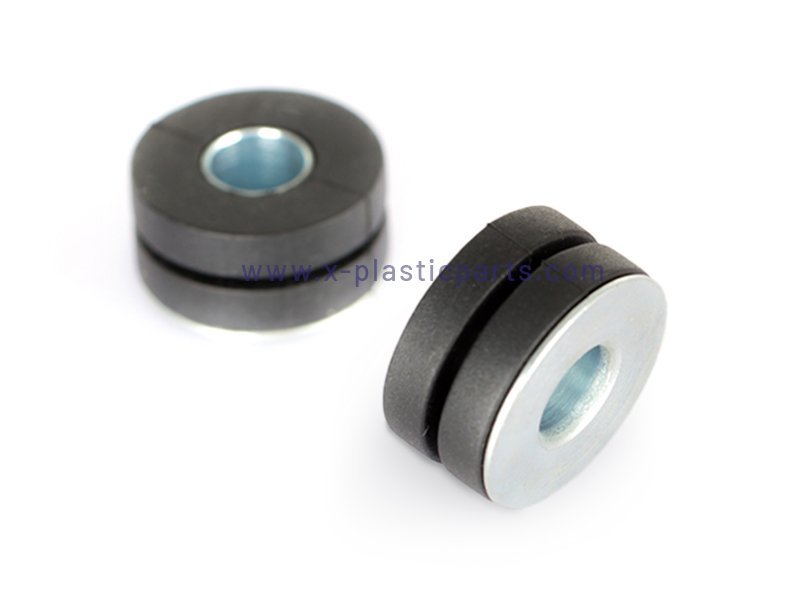
Types of Vibration Isolation Technologies
Vibration isolation technologies can be broadly categorized into passive, active, and semi-active systems, each with distinct mechanisms and applications.
Passive Vibration Isolation
Uses materials and mechanical components that absorb or dissipate vibration without power input. Common materials include rubber, polymer foams, and springs. Typical applications: industrial machinery mounts, building foundations, automotive engine mounts.
Active Vibration Isolation
Uses sensors and actuators to dynamically counteract vibrations. Ideal for high-precision environments like electron microscopes, aerospace instruments, and laboratory equipment.
Semi-Active Vibration Isolation
Combines passive and active features, adjusting damping in real-time (e.g., magnetorheological fluids, electrically controlled dampers). Used in automotive suspensions to adapt to road conditions efficiently and cost-effectively.
Common Applications of Vibration Isolation
The application of vibration isolation spans numerous industries:
- Industrial Machinery: Pumps, compressors, and motors generate significant vibrations during operation. Vibration isolation protects these machines and their surroundings, reducing wear and noise.
- Precision Equipment: Optical instruments, microscopes, and medical devices require stringent vibration isolation to maintain measurement accuracy and performance integrity.
- Aerospace and Defense: Vibration isolation ensures the stability and functionality of aircraft components, satellite instruments, and defense systems subjected to dynamic environmental forces.
- Building and Construction: Seismic isolation systems employ vibration isolation principles to protect structures from earthquake-induced vibrations, thereby enhancing safety and durability.
- Transportation: Automotive suspension systems and engine mounts utilize vibration isolation to improve ride comfort and reduce mechanical noise.
- Consumer Electronics: Devices such as hard drives and audio equipment incorporate vibration isolation components to maintain functionality and user experience.
Conclusion
As technology advances, the role of vibration isolation will only grow. FlexiParts provides custom vibration isolation solutions tailored to your equipment and environment, with fast turnaround and reliable performance. Contact us to discuss your project and get expert recommendations.

