Table of Contents

What Do O-Ring Colors Mean? A Complete Guide for Material Identification

O-Rings

In everyday industrial and mechanical applications, O-rings are critical components for ensuring reliable sealing and preventing leaks. Many users assume that the color of an O-ring directly indicates its material. This assumption is common, but it can lead to incorrect selections, reduced performance, and even system failures. In reality, while color can provide useful information, it does not reliably identify the material of an O-ring.

Why O-Rings Come in Different Colors

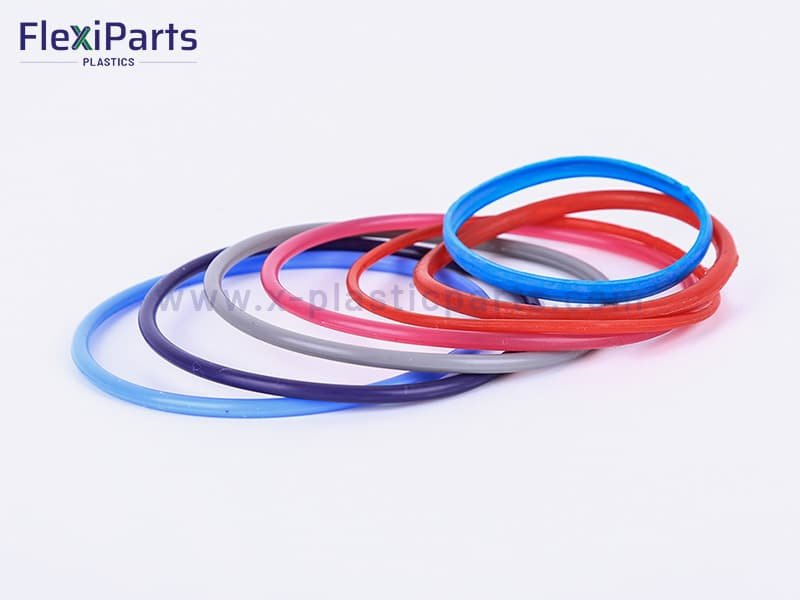
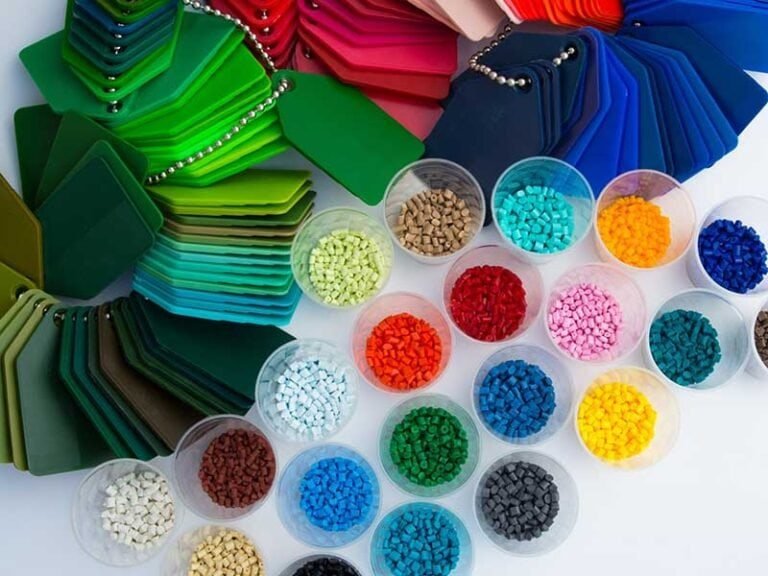
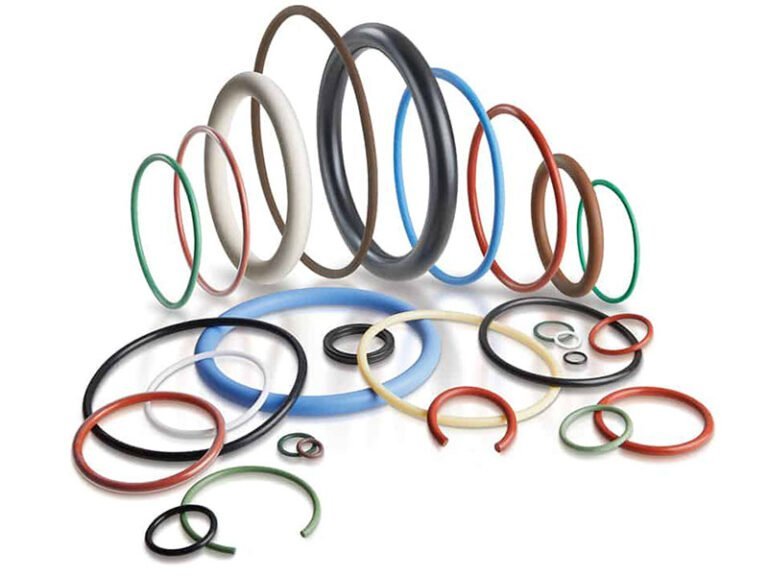
O-rings are manufactured in various colors primarily for identification and organizational purposes. Colors can indicate different material types, hardness levels, or performance grades depending on the manufacturer. In large-scale production and inventory management, color-coding simplifies sorting, assembly, and maintenance. However, there is no universal standard that dictates which color corresponds to which material. As a result, the same color may represent different materials across suppliers. For this reason, users must exercise caution and always verify the material specifications in addition to color.

The use of color also facilitates quick visual inspection during installation or maintenance. While this can help prevent obvious mistakes, relying solely on color for material selection is risky.

Is There a Standard for O-Ring Colors?

No globally recognized standard links specific colors to specific materials. Some industry guidelines exist, and certain manufacturers adopt consistent color schemes internally, but these conventions vary by supplier and region. For example, a black O-ring might indicate NBR (nitrile) in one supplier’s catalog, while a different manufacturer might use black for a general-purpose EPDM compound.

Because of this variability, we cannot rely solely on color when selecting O-rings for critical applications. Instead, material specifications, including chemical compatibility, temperature range, hardness, and compliance requirements, should guide the selection process.

Common O-Ring Colors and Typical Materials

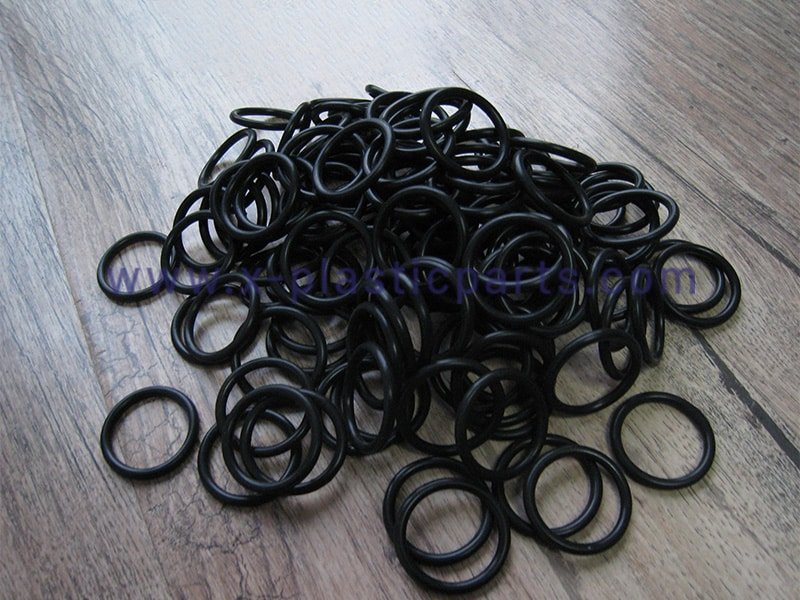
Black O Rings

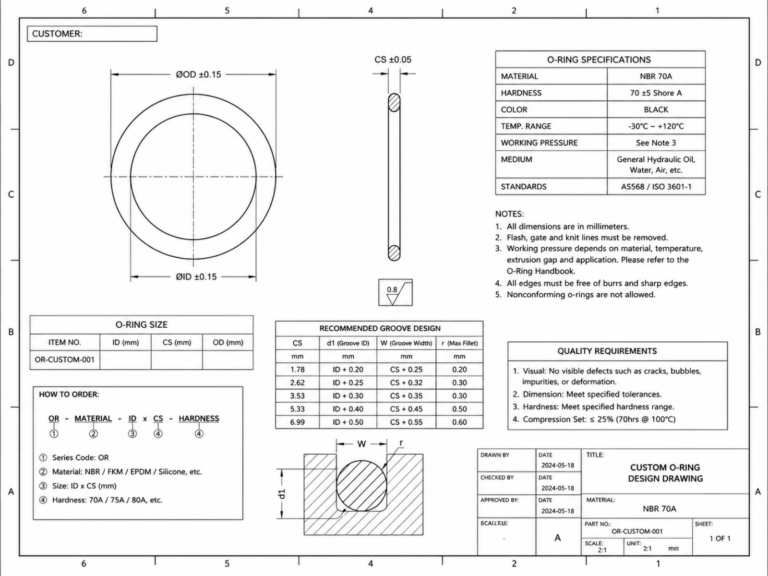
Black O-rings are most commonly made from NBR (Nitrile Rubber), which offers excellent resistance to oils, fuels, and many chemicals, as well as good mechanical strength and a moderate temperature range from -40°C to 120°C. These O-rings are widely used in automotive systems, industrial machinery, and general-purpose sealing applications. While black generally indicates NBR, it is important to verify the specific material grade, as different suppliers may have variations in hardness or compound formulation.

Black Rubber O-Rings

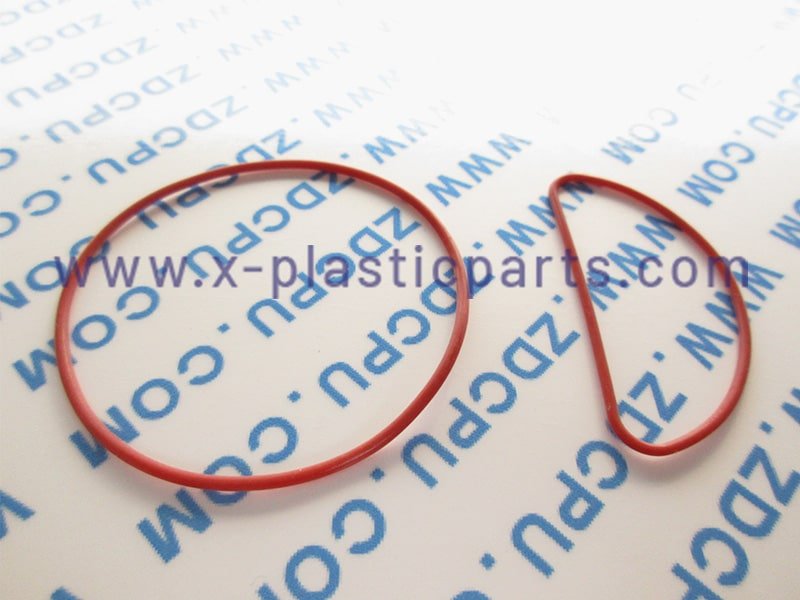
Red O Rings

Red O-rings are typically made from silicone rubber, known for its high flexibility, excellent high-temperature resistance up to 230°C, and good chemical inertness. They are commonly applied in food-grade sealing, medical devices, household appliances, and high-temperature industrial equipment. Although red is often associated with silicone, some manufacturers may use this color for other elastomers, so confirming the material specification is essential to ensure proper performance.

Rubber Red O Rings

Blue O Rings

Blue O-rings are usually manufactured from FKM (Fluorocarbon / Viton), which provides exceptional chemical resistance, high-temperature stability ranging from -20°C to 250°C, low permeability, and strong compression set resistance. These O-rings are suitable for chemical processing equipment, automotive fuel systems, aerospace components, and other high-performance industrial sealing applications. Users should note that while blue is commonly linked to FKM, color codes can vary between suppliers.

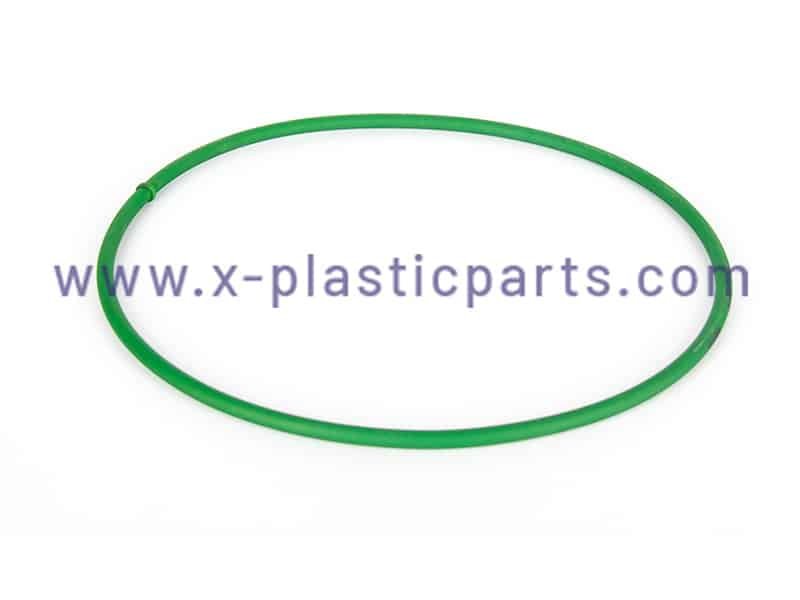
Green O-Rings

Green O-rings are generally made from EPDM (Ethylene Propylene Diene Monomer), which offers excellent resistance to weathering, ozone, and water, along with good heat and chemical resistance, though it is not compatible with petroleum oils. These O-rings are frequently used in water and steam systems, HVAC equipment, and brake system applications. Since color standards are not universal, verifying the material with the supplier is recommended even when the O-ring is green.

Rubber Green O-Rings

Brown O-Rings

Brown O-rings are often produced from FFKM (Perfluoroelastomer), which provides superior chemical and thermal resistance up to 327°C, very low permeability, and excellent performance in aggressive chemical environments. They are commonly used in pharmaceutical, semiconductor, and chemical processing industries where extreme conditions exist. Although brown usually indicates high-performance materials, always confirm the exact material specification before selection.

Orange and White O-Rings

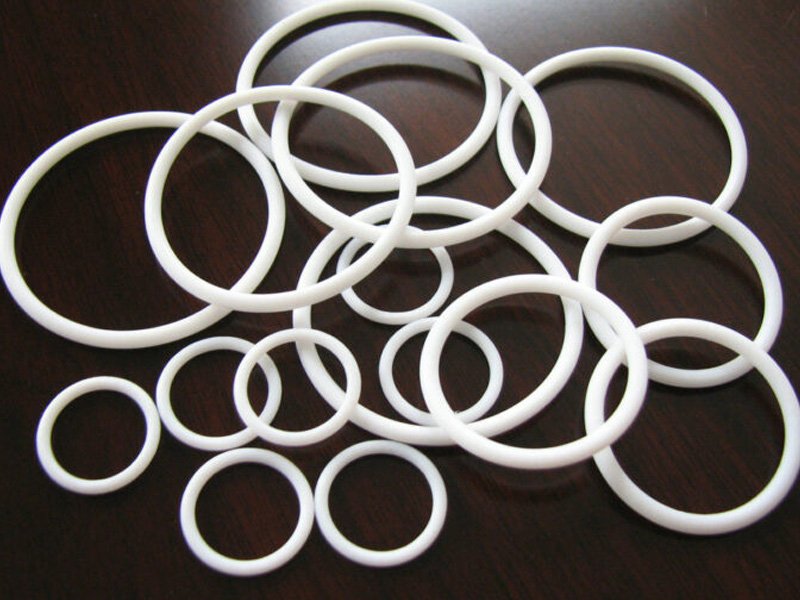
Orange and white O-rings are typically made from silicone, specialty fluorocarbons, or FDA-compliant elastomers, designed for food-grade and medical applications. They offer excellent flexibility, high chemical resistance, and cleanliness suitable for sensitive environments. These O-rings are commonly applied in food processing, beverage equipment, medical devices, and laboratory seals. Because these colors are often linked to compliance or specialty uses, material verification is necessary even when the color suggests a certain type.
Other Colors

Yellow, purple, and transparent options exist for specialized needs. Yellow may indicate polyurethane or specific high-visibility grades. Purple sometimes marks peroxide-cured materials or particular FKM types. Transparent O-rings, often silicone or fluorosilicone, allow visual inspection of internal conditions in some fluid systems.

Why You Cannot Rely Solely on Color?

Although colored rubber O-rings provide convenient visual cues, relying exclusively on color for material identification is inadequate. The same color may represent different materials depending on the manufacturer, region, or intended performance requirements. Selecting an O-ring solely based on color could result in incompatible chemical resistance, insufficient temperature tolerance, or mechanical failure.

Why Manufacturers Still Use Color Coding

Despite the limitations, manufacturers continue to use color coding for several practical reasons:

  • Simplified inventory management: Colors help distinguish materials quickly during storage and retrieval.
  • Ease of assembly: Operators can visually identify parts for installation without cross-checking detailed specifications every time.
  • Production efficiency: Color-coding reduces errors in high-volume manufacturing environments.

It is important to note that color-coding is intended as a supplementary tool. Proper selection still requires verification of material specifications, performance ratings, and compatibility with the intended application.

Conclusion

O-ring color alone is not a reliable indicator of material or performance. Users should select O-rings based on their specific application requirements, material specifications, and operational conditions rather than relying solely on color. Flexiparts is a professional on-demand manufacturer that provides customized O-ring solutions. We welcome inquiries for tailored O-rings and can produce products according to precise specifications, including color requirements, to meet the unique needs of each customer.

FAQ

1. Does O-ring color affect performance?
Generally, O-ring color itself does not affect performance. Performance is determined by the material type (e.g., NBR, EPDM, FKM) and its chemical, temperature, and mechanical properties. Color is usually added for identification, aesthetics, or regulatory compliance.
2. Why are food-grade O-rings often blue or white?
Blue and white colors help easily identify food-grade O-rings, ensuring compliance with hygiene standards and preventing contamination. Blue is particularly visible in food processing environments where it doesn’t naturally occur in food.
3. Can O-ring colors fade over time?
Yes, O-ring colors can fade due to UV exposure, heat, chemicals, or long-term aging. However, fading usually does not impact the O-ring’s sealing performance if the base material remains intact.