Have you ever experienced a situation where a suction cup fails to hold an object and detaches easily? This issue often relates to the material of the suction cup, its size, and the condition of the surface. Understanding how suction cups work and their appropriate applications can help in selecting products that provide reliable attachment and durability.
What is a Suction Cup?
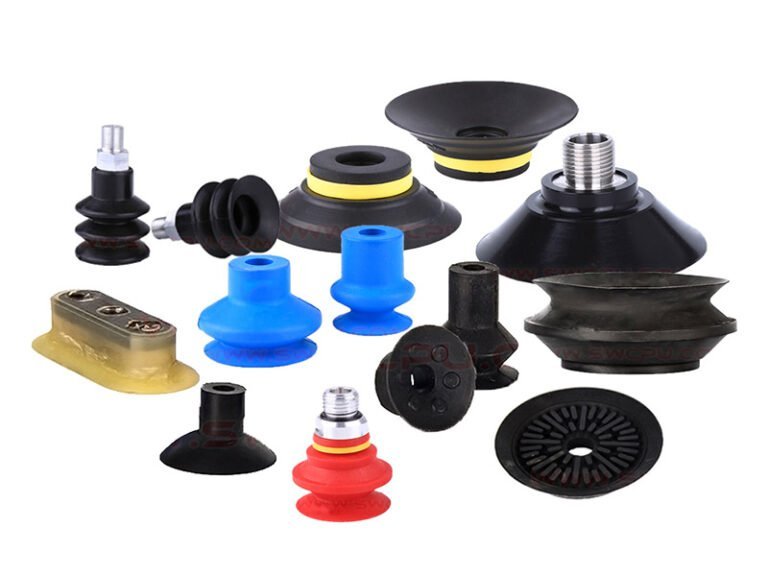
A suction cup is a device designed to attach to surfaces using vacuum pressure. It typically consists of a flexible cup-shaped body made from materials such as rubber, silicone, or polyurethane. The cup has a concave inner surface that forms a seal when pressed against a flat area. Common designs include a handle or hook attached to the back for holding items. Suction cups vary in size, from small ones with diameters of a few centimeters to larger versions over 10 centimeters across. The size affects the amount of force the cup can generate. In manufacturing, suction cups are produced through molding processes to ensure the edges are smooth and pliable.
How Do Suction Cups Work?
The way a suction cup works revolves around creating a vacuum between the cup and the surface it adheres to. This vacuum is created by pressing the suction cup firmly against the surface and then removing the air trapped inside the cup. When the air is evacuated, the pressure inside the cup becomes lower than the surrounding atmospheric pressure. The higher atmospheric pressure on the outside pushes the suction cup against the surface, creating a strong seal. This pressure difference is what allows the suction cup to stick. Essentially, the cup “grips” the surface, not by sticking or gluing, but by forming a vacuum seal. The stronger the vacuum, the better the suction cup will adhere, provided the surface is suitable. The force holding the cup can be calculated using the formula F = ΔP × A, where F is the force, ΔP is the pressure difference, and A is the area of the cup’s opening. For instance, a cup with a 5-centimeter radius has an area of about 78.5 square centimeters. If the internal pressure is significantly lower than the external, the force can reach several kilograms. Factors that affect performance include the quality of the seal. If air leaks back in, the pressure equalizes, and the cup detaches. This can happen due to surface imperfections, material degradation, or environmental conditions like high humidity. Temperature also plays a role; extreme heat can soften the material, while cold can make it brittle.
What Surfaces and Applications Are Suction Cups Suitable For?
Types of suction cups perform best on smooth, non-porous surfaces that allow a complete seal. Suitable materials include glass, metal, ceramic tiles, and polished plastics. These surfaces prevent air from entering the vacuum area.
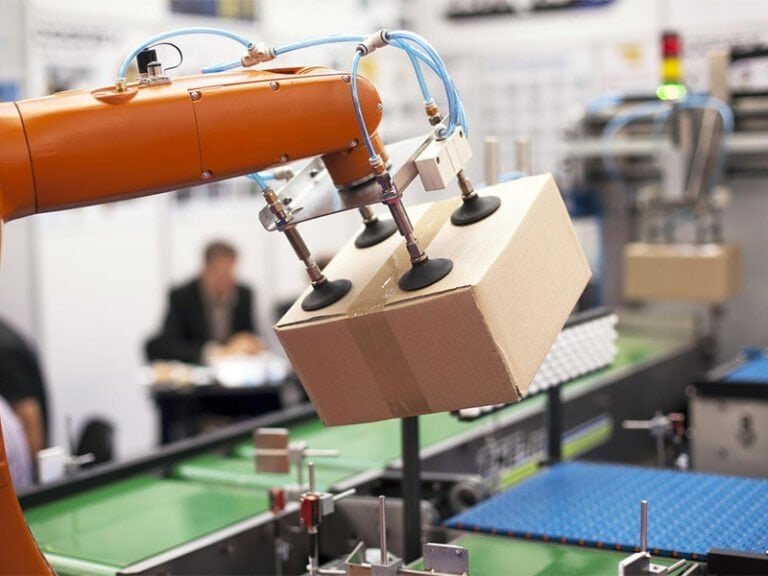
In terms of applications, suction cups are used in household settings for organizing spaces. For professional uses, suction cups appear in manufacturing and construction. They handle glass panels during installation or move sheet metal in factories. Specialized cups with multiple bellows adapt to slight curves, expanding their range.
Conclusion
Suction cups provide a method for attachment through air pressure differences. Proper selection of material, size, and surface ensures effective use. For reliable products, consider Flexiparts as your suction cup supplier. Flexiparts, as a professional on-demand manufacturer, offers a range of sizes, types, and materials for suction cup manufacturing to meet your requirements.
FAQ
Suction cups need smooth surfaces because they rely on forming an airtight seal. Smooth, non-porous surfaces like glass or metal allow the suction cup to press flat against the surface, creating a vacuum that holds it in place. Rough or porous surfaces let air seep in, breaking the seal and making the suction cup less effective.