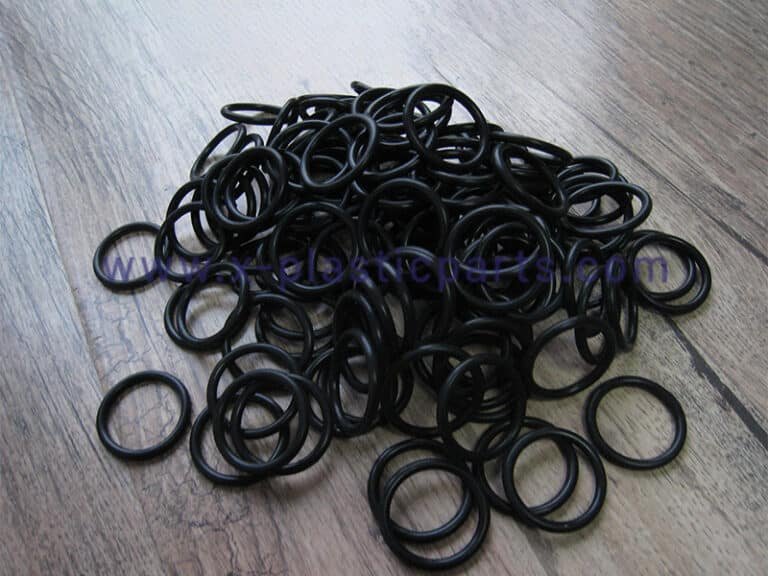
O-rings are fundamental components in sealing systems to prevent fluid or gas leakage. O-ring failure is a critical issue in many industrial applications. When an o-ring failure happens, the results include fluid leakage, pressure loss, and equipment damage. These problems can stop production lines and raise repair costs. Identifying the types and causes of o-ring failure will help prevent it.
What is O-Ring Failure?
O-ring failure refers to any situation in which an O-ring no longer maintains an effective seal in its intended application. When an O-ring fails, it can result in fluid or gas leakage, reduced system performance, or complete system breakdown.
The signs of O-ring failure vary depending on the type and severity of the issue. Common manifestations include visible cracks on the O-ring surface, permanent deformation, extrusion beyond the groove, chemical degradation, or physical wear. In some cases, failure may occur gradually, while in others it may be sudden and catastrophic.
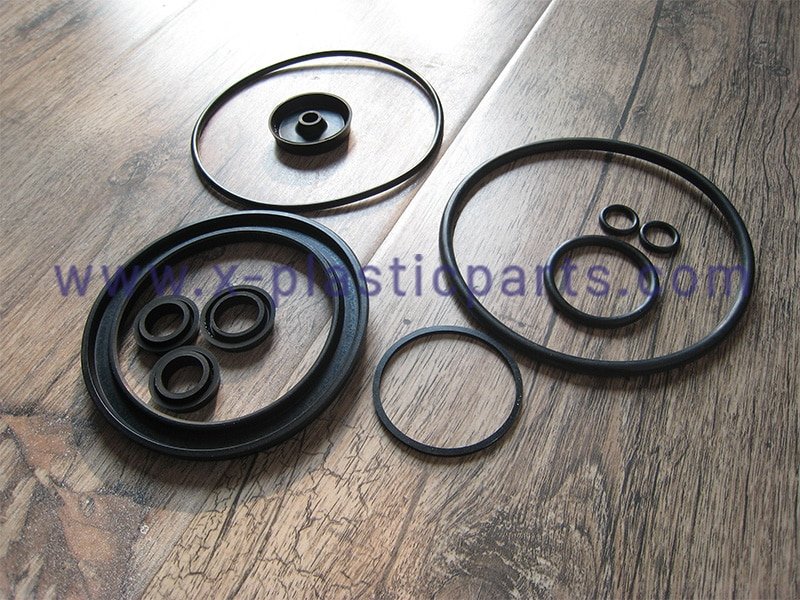
Common Types of O-Ring Failure
Several distinct types of o-ring failure occur in practice. Each type has identifiable features, root causes, and targeted prevention steps.
- Compression set
- Abrasion and wear
- Extrusion and nibbing
- Chemical attack
- Installation damage
- Thermal degradation
- Spiral failure
- Dynamic fatigue
- Rapid gas decompression
Compression Set
A compression set occurs when an O-ring loses its ability to return to its original shape after being compressed in a groove. This can result in inadequate sealing and leakage.
Excessive or prolonged compression, elevated temperatures, or unsuitable elastomer materials can lead to permanent deformation. Inadequate groove design may also contribute to excessive stress on the O-ring.
Select materials with appropriate thermal and mechanical properties for the operating conditions. Ensure proper groove dimensions and maintain recommended compression levels. Regular inspection and replacement of O-rings subject to prolonged compression can prevent issues.
Abrasion and Wear
Abrasion is the wear or erosion of the O-ring surface due to mechanical friction. It can create grooves, scratches, or thinning of the O-ring, reducing its sealing effectiveness.
Relative motion between the O-ring and mating surfaces, contaminated fluids or debris, and high-speed dynamic applications can accelerate surface wear.
Use lubricants compatible with the O-ring material to reduce friction. Select O-rings made of wear-resistant elastomers for dynamic applications. Maintain clean operating environments to minimize contamination.
Extrusion and Nibbling
Extrusion and nibbling occur when high pressure forces part of the O-ring into the clearance gap. Nibbling refers to small pieces of the O-ring being torn away during extrusion, leading to leakage.
High pressure, excessive groove clearance, and inadequate backup rings contribute to extrusion. Soft or low-durometer materials are more susceptible.
Design grooves with proper clearance and tolerances. Use backup rings for high-pressure applications. Select elastomers with appropriate hardness to resist extrusion.
Chemical Attack
Chemical attack involves the degradation of the O-ring material due to exposure to aggressive chemicals, resulting in swelling, softening, or cracking.
Incompatibility between the O-ring material and the fluid or gas in contact. High concentrations of acids, bases, or solvents can accelerate degradation.
Conduct chemical compatibility assessments before material selection. Choose elastomers specifically rated for exposure to the operational chemicals. Monitor O-ring condition and replace degraded components promptly.
Installation Damage
O-rings can be damaged during installation, leading to cuts, nicks, or deformation that reduces sealing performance.
Improper handling, using sharp tools, twisting during assembly, or insufficient lubrication can result in mechanical damage.
Train personnel on proper installation techniques. Use installation tools designed to minimize damage. Apply compatible lubricants to facilitate smooth assembly.
Thermal Degradation
Thermal degradation occurs when O-rings are exposed to temperatures beyond their rated limits, causing hardening, cracking, or embrittlement.
Continuous high-temperature operation, thermal cycling, or exposure to localized heat sources can cause accelerated aging and material breakdown.
Select materials rated for the expected temperature range. Minimize exposure to extreme heat and ensure adequate cooling or thermal insulation. Conduct periodic inspections for signs of thermal damage.
Spiral Failure
Spiral failure appears as a twisted O-ring with diagonal cuts along its length. This pattern is common in long-stroke hydraulic cylinders.
Installation without proper alignment, poor lubrication, non-circular bores, or side loads contributes to uneven movement.
Switch to square or X-profile rings in high-risk applications. Maintain strict installation procedures that keep the ring level. Use lubricants to reduce friction. Limit side loads through proper cylinder design.
Dynamic Fatigue
Dynamic fatigue occurs in O-rings subjected to repeated movement, such as in reciprocating pistons or rotary shafts, leading to cracking, wear, or extrusion over time.
High-frequency motion, inadequate lubrication, and improper material selection for dynamic applications.
Choose elastomers rated for dynamic performance. Apply appropriate lubrication and minimize surface roughness. Monitor high-cycle applications regularly.
Rapid Gas Decompression
Rapid gas decompression creates internal bubbles, blisters, or explosive ruptures. The damage appears after sudden pressure drops.
High-pressure gases dissolve into the material over time. Quick release does not allow the gas to exit gradually. Standard compounds lack the required resistance.
Specify rapid-gas-decompression-rated materials for gas service. Control decompression rates through system valves. Use higher-hardness compounds designed for this condition. Test assemblies under simulated pressure cycles.
How to Prevent O-Ring Failure
Preventing O-ring failure requires a comprehensive approach that combines material selection, design, installation, and maintenance strategies.
Material Selection: Choose elastomers compatible with the fluid, temperature, and pressure conditions of the application. Consider chemical resistance, hardness, and thermal stability.
Design Optimization: Ensure proper groove dimensions, compression ratios, and surface finishes. Incorporate backup rings or protective features for high-pressure or dynamic systems.
Lubrication: Use lubricants compatible with the O-ring material to reduce friction during installation and operation. In systems without built-in lubrication, schedule periodic reapplication. Lubrication also helps prevent abrasion and extrusion.
Proper Installation: Train personnel to handle O-rings carefully, avoiding twisting, cutting, or stretching. Use installation tools and techniques to maintain O-ring integrity.
Conclusion
O-ring failure stems from identifiable causes. By understanding these causes of O-ring failure and applying the measures for how to prevent O-ring failure, it is possible to minimize the risk of O-ring failure. Regular inspections combined with proper material, design, lubrication, and installation practices keep sealing performance reliable.