
Many products carry an IP68 rating, yet still allow water to enter during real-world use. This highlights the importance of proper waterproof enclosure design in product development. Water entering electronic or mechanical enclosures can cause failures, compromise safety, and increase maintenance costs. Understanding the factors that lead to leaks and designing effectively to prevent them is essential for reliable products.
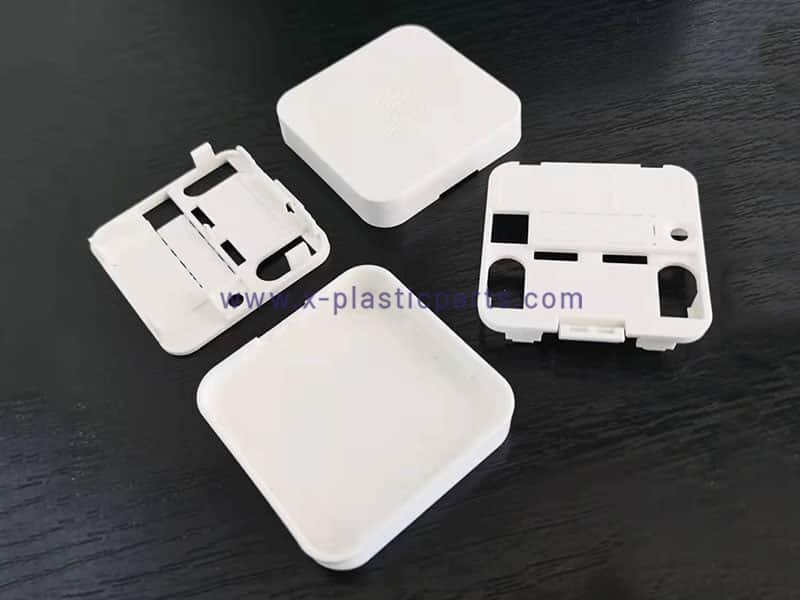
Why Waterproof Enclosure Design Fails
Several recurring factors cause waterproof enclosures to leak even when they pass initial certification. Several common factors contribute to failure:
Incorrect Gasket Compression
Gaskets play a critical role in sealing an enclosure. If the compression is too low, water can seep in through gaps. Conversely, over-compression may deform the gasket, reducing its effectiveness and causing premature wear. Proper gasket compression must account for material properties, environmental conditions, and long-term performance.
Poor Parting Line Design
The parting line, where two halves of a molded enclosure meet, is a potential leakage path. If the parting line is not properly aligned or has uneven surfaces, sealing surfaces may not engage correctly, leading to leaks.
Cable Entry and Connector Leakage
Cable glands, connectors, and buttons are common weak points in waterproof enclosures. Improper sealing or incompatible components can allow water to enter. Careful selection of connectors, proper O-ring use, and sealing strategies for cable entries are necessary to maintain the enclosure’s integrity.
Thermal Expansion and Material Deformation
Materials expand and contract with temperature changes. If the enclosure material has a high coefficient of thermal expansion, it may deform, compromising gasket compression or creating gaps.
Creep and Relaxation
Over time, gaskets and sealing materials can deform under continuous compression, a phenomenon known as creep. This can reduce sealing effectiveness and allow water ingress.
Internal Vacuum Effect
Cooling after exposure to heat or direct sunlight often creates a pressure difference between the inside and outside of a sealed enclosure. This internal vacuum can draw moist air or water through even tiny gaps that would otherwise remain dry.
Overreliance on IP Ratings
IP ratings indicate protection against dust and water under specified conditions. However, simply meeting an IP68 rating does not guarantee leak-free performance in all real-world applications. Design details, material choices, and assembly processes are critical factors that must complement IP standards.
Understanding IP Ratings
IP ratings provide a standardized way to communicate the level of protection an enclosure offers against dust and water.
What is an IP Rating?
IP (Ingress Protection) ratings classify the level of protection an enclosure provides against solids and liquids. The first digit represents protection against solids, such as dust, while the second digit represents protection against liquids, such as water. Higher numbers mean stricter test requirements.
IP65 vs. IP67 vs. IP68
- IP65: Protects against water jets from any direction. Suitable for outdoor devices exposed to light rain or cleaning sprays.
- IP67: Provides protection against temporary immersion in water, typically up to 1 meter for 30 minutes.
- IP68: Designed for continuous immersion under specified pressure and duration. This rating is the benchmark for devices that require the highest level of water protection.
What does IP68 Actually Means?
An IP68 rating indicates the enclosure can withstand continuous submersion under conditions specified by the manufacturer. The key point remains that the rating applies only to the tested configuration. Any modification to cables, fasteners, or assembly methods can invalidate the rating. Therefore, the waterproof enclosure design must ensure that production units match the tested samples in every critical detail.
Key Design Factors for Waterproof Enclosures
Effective waterproof enclosure design relies on multiple interrelated factors:
Seal System Design
Seals prevent water from entering enclosures. Designers must choose between O-rings, gaskets, or molded-in seals based on the application. Proper compression, placement, and material compatibility are critical.
Gasket Groove and Compression Design
Gasket grooves must be correctly sized to ensure uniform compression. Incorrect groove depth or width can compromise the seal. Engineers should account for tolerances in both the gasket and the enclosure surfaces.
Housing Structure and Parting Line Design
The enclosure housing must remain rigid enough to maintain sealing pressure across the entire joint. Ribs, thicker walls in critical areas, or strategic screw placement every 35 to 50 millimeters help reduce flexing. The parting line itself benefits from increased contact width and alignment features such as dowel pins or interlocking steps.
Enclosure Material Selection
Material choice affects waterproof performance. Thermoplastics like polycarbonate and ABS offer good dimensional stability and resistance to water. Metals may provide additional strength but require careful sealing. Material selection must balance mechanical requirements, thermal expansion, and chemical resistance.
Seal Material Selection
Gasket materials such as silicone, EPDM, or fluorosilicone must be compatible with enclosure materials and environmental conditions. Properties like compression set resistance, hardness, and temperature tolerance influence long-term performance.
Cable Entries, Connectors, and Buttons
Designing effective seals around cables and connectors is essential. Use of threaded glands, molded-in seals, or pre-molded inserts can enhance waterproofing. Button interfaces require flexible sealing membranes or gaskets to maintain integrity.
Pressure Equalization and Venting
Waterproof enclosures may trap air or water vapor, leading to pressure differentials. Integrating vents or pressure equalization membranes prevents leaks caused by pressure fluctuations while maintaining waterproofing.
Injection Molding Considerations for Waterproof Enclosure Design
Injection molding is a common process for custom waterproof enclosures. When designing enclosures for IP68 compliance, several factors must be carefully considered.
Tolerance Control
Accurate dimensional control is essential to maintain consistent gasket compression and proper seal engagement. In our custom production process, we maintain strict dimensional control through detailed design-for-manufacturability reviews and precise tooling. This ensures that critical sealing dimensions stay within specification from prototype to full production runs.
Surface Finish in Sealing Areas
Sealing surfaces must be smooth to prevent leaks. We achieve the required SPI A-2 or finer finish in grooves and parting lines while using appropriate textures elsewhere. Our in-house mold finishing capabilities ensure the exact surface quality needed for reliable waterproof enclosure design.
Mold Design for Sealing Features
We design molds with precise shut-off surfaces and optimized venting to avoid flash and maintain consistent compression. For parts with integrated cable glands or overmolded seals, our team uses advanced simulation to ensure stable material flow and cooling.
Material Shrinkage and Warpage Control
Material shrinkage and warping can compromise the fit of sealing surfaces. We manage shrinkage and warpage through uniform wall thickness, strategic gate placement, and balanced cooling. This helps us deliver dimensionally stable parts, especially when working with materials like ABS and polycarbonate.
Consistency in Volume Production
Reliable waterproof performance requires every unit to match the validated prototype. We achieve this with stable process parameters, regular mold maintenance, and statistical process control on critical sealing dimensions. Whether producing 500 or 50,000 pieces, our custom injection molding ensures repeatable quality.
Testing and Verification of Waterproof Enclosures
Verification ensures the enclosure meets performance requirements. Common testing methods include:
- Immersion Testing: Submerging the enclosure to verify IP68 compliance.
- Pressure Testing: Applying water or air pressure to detect leaks at seals and interfaces.
- Spray or Jet Testing: Simulating rain or cleaning sprays for outdoor applications.
- Thermal and Environmental Cycling: Ensuring seals maintain integrity under temperature fluctuations.
- Additional tests expose enclosures to temperature cycling, vibration, salt spray, and UV aging.
Applications of Waterproof Enclosures
Waterproof enclosures are used across multiple industries where exposure to water or moisture is a concern:
- Industrial Electronics: Sensors, control units, and outdoor machinery.
- Consumer Electronics: Smartphones, cameras, and wearable devices.
- Outdoor Equipment: Lighting, meters, and weather monitoring devices.
- Medical Devices: Equipment requiring sterilization or operation in wet environments.
Conclusion
Designing reliable waterproof enclosures requires careful consideration of seal systems, material selection, parting line design, and production methods. Attention to detail, coupled with proper testing, ensures products meet IP68 standards and perform reliably in real-world conditions. Our company offers custom waterproof enclosure solutions, leveraging precision injection molding and advanced sealing strategies to meet diverse industry requirements. Welcome to contact us and get a custom solution.