
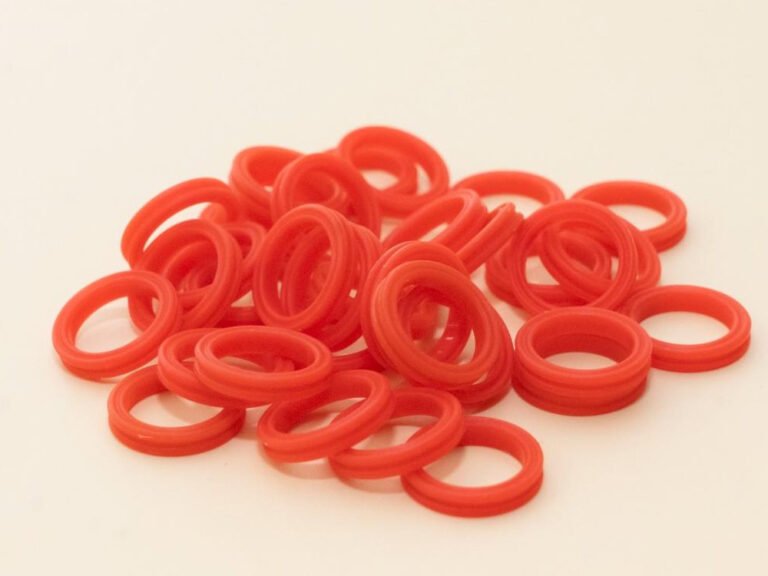
Silicone O-rings are widely used sealing components in industrial, medical, and consumer applications. Their performance characteristics make them reliable compared to many conventional elastomeric sealing solutions, particularly in demanding environments.
What Are Silicone O-Rings?
Silicone O-rings are circular elastomeric seals manufactured from silicone rubber compounds. They are designed to sit in a groove and provide a sealing interface between two or more mating surfaces. When compressed, the O-ring in silicone deforms to fill microscopic surface irregularities, preventing the leakage of fluids or gases.
The primary role of silicone O-rings is to prevent leakage of fluids or gases in static or dynamic applications. They achieve this by compressing between mating surfaces, creating a barrier that withstands pressure differences. Silicone rubber O-rings are typically selected for applications where temperature stability, flexibility, or material purity is more important than mechanical strength or abrasion resistance.
Four Core Performance Parameters of Silicone O-Rings
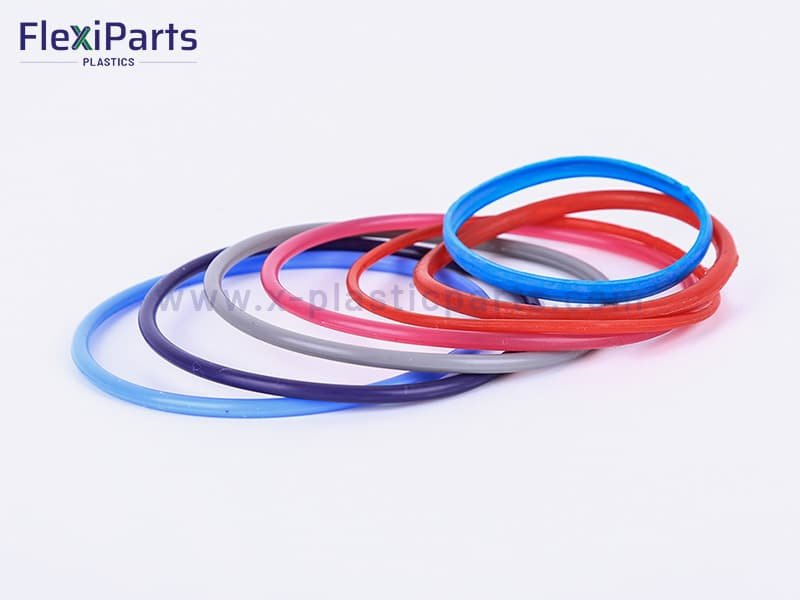
Silicone O-rings are evaluated based on several key performance parameters that determine their effectiveness in various applications.
Temperature Resistance
One of the most defining characteristics of silicone O-rings is their ability to operate across an exceptionally wide temperature range. They operate effectively from -60°C to +225°C, with specialized formulations extending this to -100°C to +300°C. High temperature silicone O-rings can maintain sealing performance at temperatures that would cause many other elastomers to harden, crack, or permanently deform. Silicone rubber remains elastic at sub-zero temperatures, allowing silicone O-rings to sustain compression and sealing force even in cold environments. This thermal stability is a key reason silicone sealing rings are frequently used in aerospace, electronics, and outdoor equipment.
Chemical and Environmental Stability
Silicone rubber O-rings exhibit good resistance to ozone, ultraviolet radiation, and atmospheric aging. This resistance prevents degradation over time, making them suitable for outdoor or humid environments. This parameter contributes to longer service life compared to materials like EPDM in certain oxidative settings. From a chemical standpoint, silicone O-rings are compatible with a range of mild chemicals, water, and certain alcohols.
High Biocompatibility and Cleanliness
Silicone rubber O-rings comply with standards such as FDA, USP Class VI, and ISO 10993, ensuring they are safe for contact with food, pharmaceuticals, or human tissues. They exhibit low extractables, meaning minimal leaching of compounds into the surrounding media. This is crucial in medical devices like infusion pumps, where contamination must be avoided. The inert nature of an O-ring in silicone supports sterile processes in manufacturing.
Excellent Electrical Insulation and Low Compression Set
With high volume resistivity, silicone O-rings serve as insulators in electronic components. They also feature low compression set, typically under 25% after prolonged compression, allowing them to rebound effectively. In comparison to fluorosilicone, standard silicone provides cost-effective insulation without sacrificing durability.
Advantages and Disadvantages of Silicone O-Rings
Silicone O-rings offer several advantages that make them preferable in specific scenarios.
Advantages:
- Broad temperature tolerance, enabling use in both cold and hot environments.
- Resistance to weathering, ozone, and UV light, which extends lifespan in exposed conditions.
- Biocompatibility aallowssafe application in the medical and food industries.
- Good electrical insulation properties for electronic sealing needs.
- Low compression set, ensuring reliable performance over time.
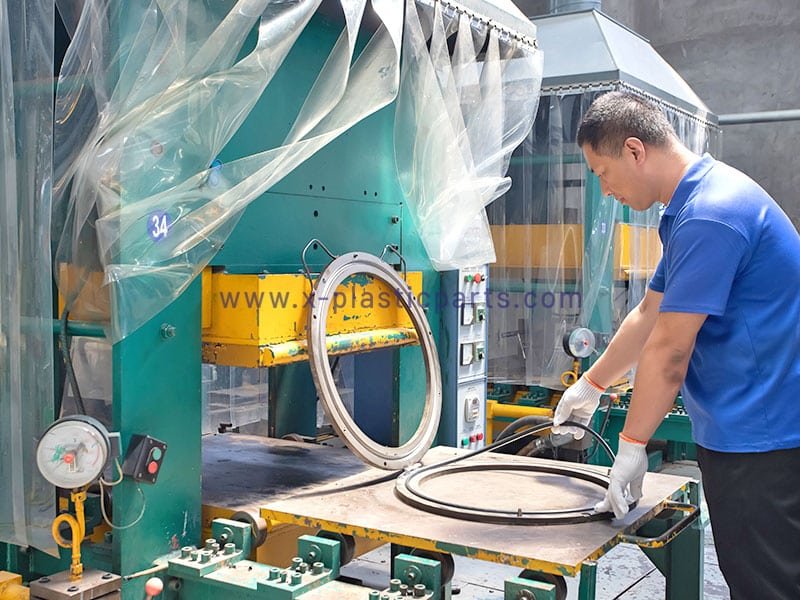
- Customizability in hardness, colors, and additives for tailored solutions.
- Compatibility with water and some chemicals reduces corrosion risks.
Disadvantages:
- Poor resistance to petroleum-based oils, fuels, and strong acids or bases, leading to swelling or breakdown.
- Lower tear and abrasion resistance compared to materials like polyurethane, limiting dynamic applications.
- Higher gas permeability can affect vacuum or high-purity gas systems.
- Generally higher cost than alternatives like NBR or EPDM.
- Reduced tensile strength at elevated temperatures, potentially requiring reinforcements.
- Sensitivity to silicone-based lubricants can cause material softening.
Applications of Silicone O-Rings
Silicone O-rings find use across multiple industries due to their performance characteristics.
- Medical: Respirators, catheters, and drug delivery systems.
- Food and beverage industry: Filling lines and ovens.
- Electronics and electrical: Connectors, sensors, power supplies, enclosures, and outdoor electrical components.
- Consumer appliances: Refrigerators, microwaves.
- Automotive and aerospace sectors: Air conditioning units, cabin pressurization.
Conclusion
Silicone O-rings provide effective sealing solutions through their wide temperature range, environmental resistance, biocompatibility, and insulation capabilities. While they excel in specific areas, their limitations in chemical compatibility and mechanical strength require careful evaluation. Proper selection involves considering factors like operating temperature, media exposure, pressure, and motion type. Flexiparts provides high-quality custom O-rings. Welcome to contact us and get a custom solution for your project.