Robot Grippers play a critical role in modern automation systems by enabling robots to securely grasp, move, and position objects with precision across a wide range of industrial tasks. This article provides a structured overview of what robot grippers are, how they work, the main types used in automated environments, and their typical applications in different industries.
What is a Robot Gripper?
A Robot Gripper is a specialized end effector attached to a robot arm, designed to grasp, hold, and manipulate objects during automated processes. It allows the robot to interact with items of varying shapes, sizes, and materials. The primary function of a Robot Gripper is to ensure secure and precise handling, enabling tasks such as pick-and-place operations, assembly, packaging, and material transfer across industries.
Robot Gripper Basic Components
A standard Robot Gripper typically consists of three essential modules: the gripping interface, the actuation mechanism, and the control system. The gripping interface can take various forms, including mechanical fingers, vacuum cups, magnetic pads, or adaptive surfaces. The actuation mechanism provides the force required to close or open the gripper, commonly driven by electric motors, pneumatic cylinders, or hydraulic systems. The control system regulates the movement and force applied, ensuring accurate positioning and safe interaction with the workpiece.
The Gripping Interface: The Contact Point with the Workpiece
Among all robot gripper components, the gripping interface is the part that directly contacts the workpiece. It determines how securely the object can be held and how safely it can be handled during automated operations.
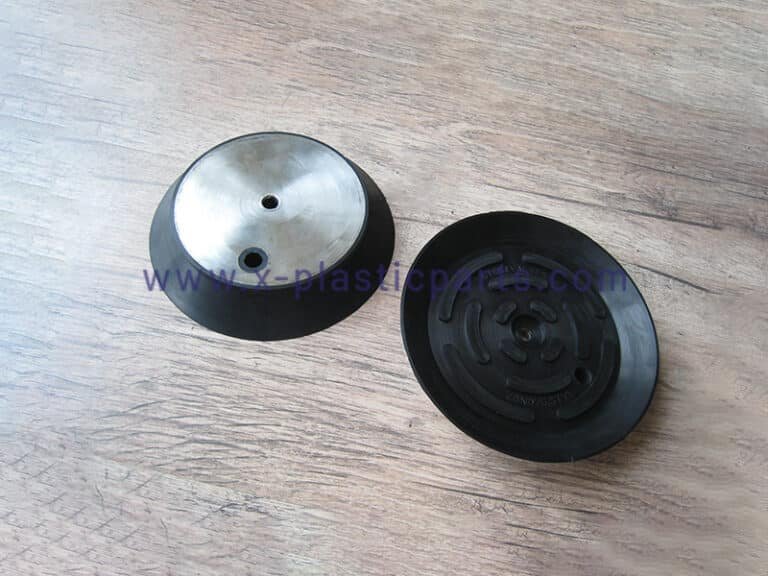
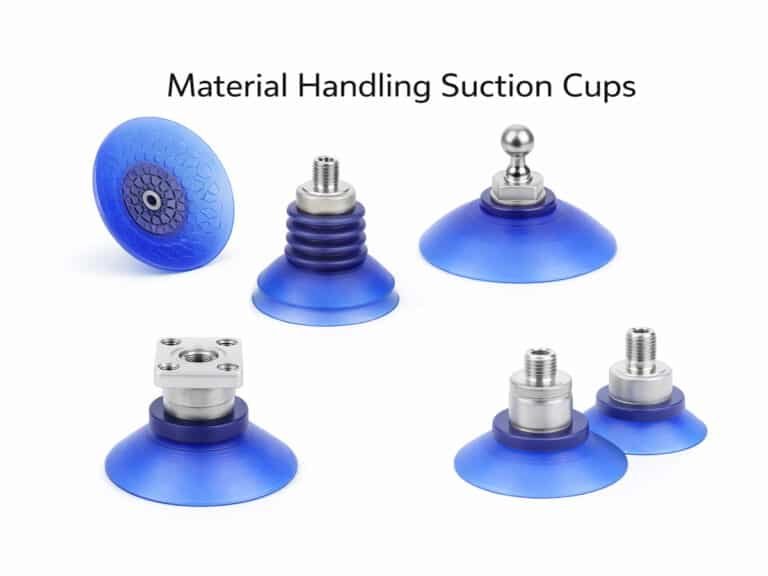
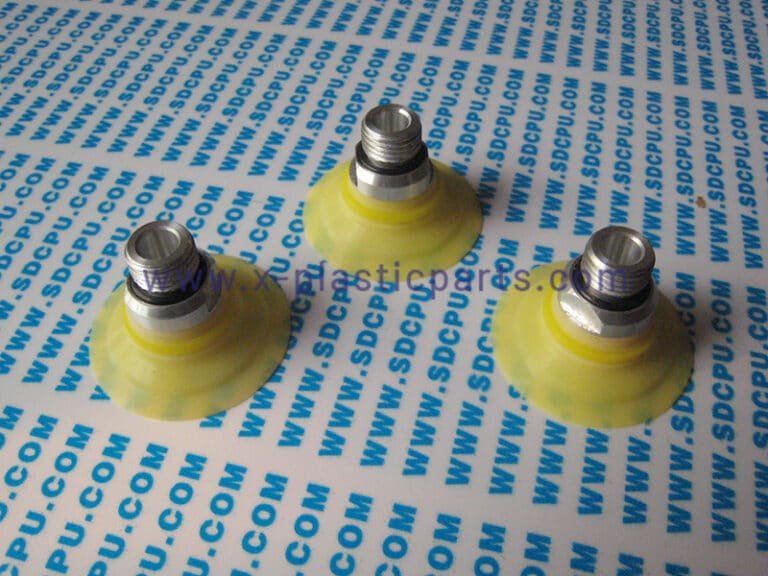
For many gripper designs—especially vacuum grippers—the gripping interface includes suction cups, sealing elements, soft contact pads, or customized gripping surfaces. These components must provide reliable sealing, proper friction, and sufficient durability to withstand repeated production cycles.
The design and material selection of the contact interface play a crucial role in overall gripping performance. Factors such as surface softness, elasticity, wear resistance, and chemical compatibility directly affect gripping stability and product protection.
Core Working Principles of Robot Grippers
The operation of a Robot Gripper depends on the physical interaction between the gripper interface and the object. Mechanical grippers generate a clamping force using fingers or jaws, which conform to the object’s shape and apply sufficient pressure for secure handling.
Types of Robot Grippers
Robot grippers can be classified based on two primary criteria: actuation method and gripping mechanism.
Actuation-Based Classification
- Electric Grippers: Driven by motors, these grippers offer precise control over finger position and force. Electric grippers are ideal for applications requiring high repeatability and moderate force, such as electronics assembly and laboratory automation.
- Pneumatic Grippers: Utilizing compressed air, pneumatic grippers provide fast and strong gripping action. They are commonly employed in high-speed pick-and-place operations and material handling where consistent force is critical.
- Hydraulic Grippers: Hydraulic systems deliver high gripping force, making them suitable for heavy-duty applications like automotive assembly or handling dense industrial components. Their complexity and maintenance requirements typically restrict their use to large-scale industrial environments.
Gripping Mechanism Classification
- Mechanical Finger Grippers: These grippers use rigid or adaptive fingers to conform to the shape of the object. They are versatile and can handle a wide variety of geometries, but may require custom designs for irregular shapes.
- Vacuum Grippers: Also known as suction-based grippers, these devices are particularly effective for flat, smooth, or delicate surfaces. A vacuum gripper robot can lift thin materials, sheets, or fragile items without applying direct mechanical pressure.
- Magnetic Grippers: Magnetic grippers are specialized for ferrous materials, offering a quick and non-contact gripping solution. They are widely used in metal stamping, sheet handling, and automotive applications.
- Adaptive Grippers: Combining elements of mechanical and compliant designs, adaptive grippers conform dynamically to object surfaces. These grippers are advantageous when handling items of varying shapes or uncertain positioning.
Special Magnetic Robot Gripper
A robot gripper designed with high-performance magnets for fast and stable handling of metal workpieces. Non-contact and non-damaging, ideal for loading/unloading, stamping, welding, and automated assembly, boosting efficiency and reliability.
Typical Applications of Robot Grippers Across Industries
The versatility of a gripper robot makes it essential in multiple industrial sectors.
- Automotive Manufacturing: Mechanical and hydraulic grippers handle heavy components such as engine parts, chassis assemblies, and body panels.
- Electronics and Semiconductors: Electric and vacuum grippers manage small, delicate components like circuit boards and microchips.
- Food and Packaging: Vacuum grippers excel at handling lightweight items, including packaged goods, trays, or confectionery.
- Medical and Laboratory Automation: Adaptive and vacuum grippers assist in laboratory workflows, managing test tubes, vials, and fragile samples.
- Warehousing and Logistics: Mechanical and vacuum grippers automate palletizing, depalletizing, and order fulfillment tasks.
How to Choose the Right Robot Gripper?
Selecting an appropriate robot arm gripper requires evaluating several key factors:
- Workpiece Characteristics: Consider the weight, size, surface texture, and fragility of the items to be handled. For smooth or delicate materials, vacuum grippers may be preferred, whereas irregular or heavy objects may require mechanical or hydraulic grippers.
- Precision and Repeatability: Applications with tight tolerances demand grippers with precise control over gripping force and positioning. Electric grippers are particularly well-suited for these tasks.
- Speed and Cycle Time: High-speed operations, common in packaging or manufacturing, may benefit from pneumatic grippers due to their rapid actuation capabilities.
- Environmental Conditions: Temperature, cleanliness, and exposure to dust or moisture influence the choice of materials and sealing mechanisms within the gripper.
- Integration and Compatibility: The gripper must be compatible with the robot arm, including mechanical interfaces, control signals, and software integration for seamless operation.
Custom Suction Cup for Robot Grippers
While robot grippers include multiple subsystems such as actuators and controllers, the components that directly interact with the object are equally important for reliable operation. Suction cups, sealing interfaces, soft contact pads, and custom gripping surfaces are often manufactured from engineered plastics or rubber materials to achieve the required flexibility, sealing performance, and durability.
Custom-designed suction cups allow grippers to adapt to specific product shapes, surface conditions, and handling requirements. In many automation systems, optimizing these contact elements can significantly improve gripping stability and reduce the risk of product damage.
Conclusion
Vacuum grippers are a widely used type of robot gripper that rely on vacuum suction to handle smooth or lightweight objects with stable performance. Although a vacuum gripper system includes both a vacuum generation unit and the suction interface, the component that directly contacts the workpiece plays a critical role in maintaining sealing and handling stability.
Customized plastic and rubber components—such as suction cups, sealing interfaces, and soft contact parts—can significantly improve gripping reliability and efficiency. Whether used in vacuum grippers or other robot arm gripper designs, Flexiparts provides tailored components that support automation systems and help ensure consistent performance in real production environments.