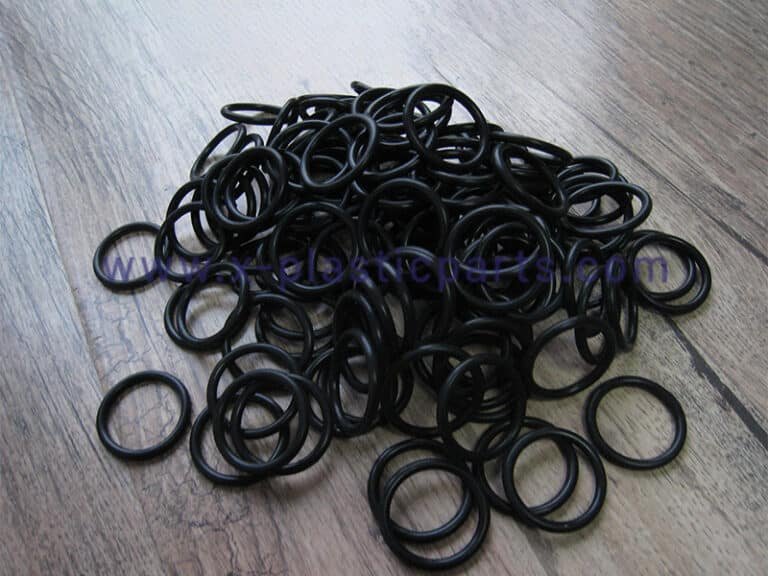
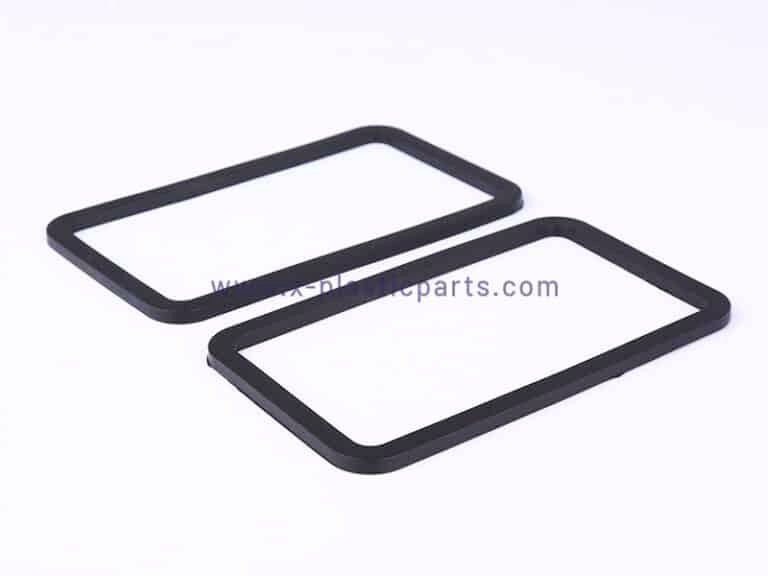
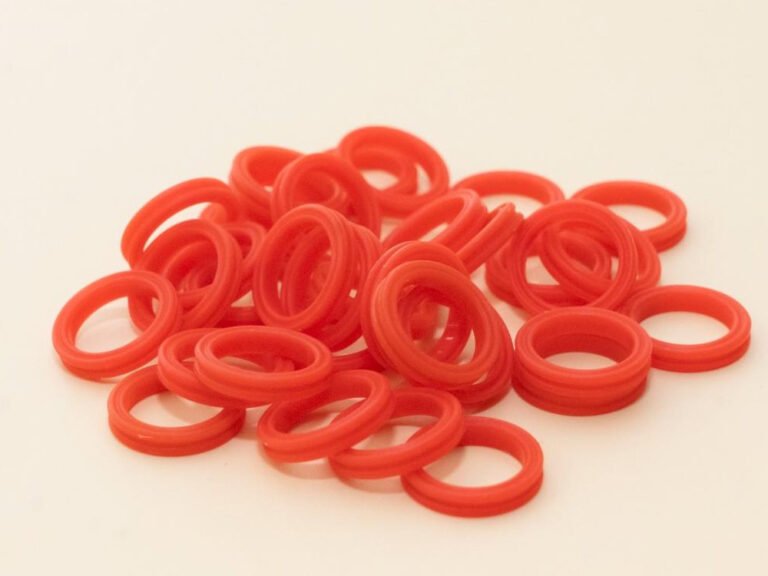
In air conditioning setups, o-rings maintain pressure and contain fluids at joints, compressor ports, and valves. Air conditioning systems operate under conditions that require durable seals. High pressures, temperature variations, and exposure to specific chemicals are the challenges to O-rings. Selecting the right materials and sizes for O-rings ensures system efficiency and longevity. Materials must resist chemicals in refrigerants and oils, while sizes need to fit precisely to avoid gaps or excessive compression.
Why Air Conditioning Systems Require Specialized O-Rings
Air conditioning systems operate under specific conditions that demand high-performance sealing components. Standard O-rings used in general machinery often fail in AC systems due to differences in temperature, pressure, and chemical exposure.
The refrigerants and associated lubricants used in air conditioning can degrade inappropriate O-ring materials. Certain refrigerants are more aggressive than others and require O-rings that can resist chemical attack.
Exposure to high or low temperatures can cause expansion, contraction, or hardening, which compromises the sealing capability.
AC systems also involve fluctuating pressures. During operation, pressure changes can be rapid and frequent. An O-ring must maintain its elasticity and form to prevent leaks under these dynamic conditions.
Using a standard O-ring may initially seem sufficient, but over time, even minor incompatibilities can lead to system inefficiency or failure.
Common O-Ring Materials for Air Conditioning
Selecting the correct material for O-rings is fundamental to system performance. Several materials are commonly used in air conditioning applications:
Nitrile (Buna-N): Nitrile is widely used due to its balance of performance and cost. It handles temperatures from -30°C to +150°C and provides adequate resistance to standard refrigerants and oils. Nitrile O-rings are suitable for systems with moderate temperatures and pressures.
EPDM (Ethylene Propylene Diene Monomer): EPDM is resistant to heat, water, and certain chemicals. It is compatible with some refrigerants and performs well in systems that experience temperature variations from -50°C to +150°C. EPDM also maintains flexibility over time, which is critical for preventing leaks.
Fluorocarbon (Viton): Viton O-rings provide high chemical and temperature resistance. It withstands -20°C to +220°C and has low gas permeability. They are suitable for newer air conditioning systems that use synthetic refrigerants or operate at higher pressures and temperatures. Viton can withstand aggressive chemical environments and maintain sealing integrity over long periods.
How to Choose the Right O-Ring for AC Applications
Selecting the right O-ring for air conditioning involves a combination of technical evaluation and practical verification. The following steps can guide the selection process:
- Identify system conditions: Determine the operating temperature range and pressure levels. Consider any temperature spikes or pressure variations that may occur during normal operation.
- Check material compatibility: Ensure the O-ring material is compatible with the refrigerants and lubricants used. This prevents chemical degradation and maintains elasticity.
- Confirm dimensions and tolerances: O-ring size and tolerance must match the specific component interfaces. Incorrect sizing can result in leaks or premature failure.
- Assess mechanical stress: Evaluate whether the O-ring will be subjected to compression, stretching, or repeated cycling. Choose a material that can withstand these stresses without deformation.
- Consider longevity requirements: For systems requiring long-term maintenance intervals, higher-quality materials or custom solutions may be preferred.
Custom O-Rings for Air Conditioning
Customized o-rings provide solutions when standard options fall short. Custom O-rings can address challenges such as unusual sizes, special material formulations, or high-performance demands.
Custom O-rings allow for tailoring the seal to the exact operating conditions of the AC system. For instance, compact automotive air conditioning units may require smaller, high-precision O-rings with specific chemical resistance.
Industrial systems using newer refrigerants might benefit from materials designed to withstand higher temperatures and pressures than standard options.
Custom solutions can be produced in various sizes, cross-sections, and materials to match exact engineering requirements. While standard O-rings are suitable for most general applications, custom O-rings provide an extra layer of reliability in demanding environments.
Conclusion
O-rings for air conditioning are essential for maintaining system efficiency and preventing leaks. Choosing the right material, size, and type is critical to withstand temperature fluctuations, pressure changes, and chemical exposure from refrigerants and lubricants. Standard materials like nitrile, EPDM, and Viton cover most applications, while custom O-rings offer tailored solutions for unique system requirements. Proper selection ensures reliable sealing, reduces maintenance needs, and extends the service life of the AC system, making O-rings a key component for safe and efficient operation. Flexiparts provides custom O-ring production. Welcome to contact us and get a custom solution for your project.