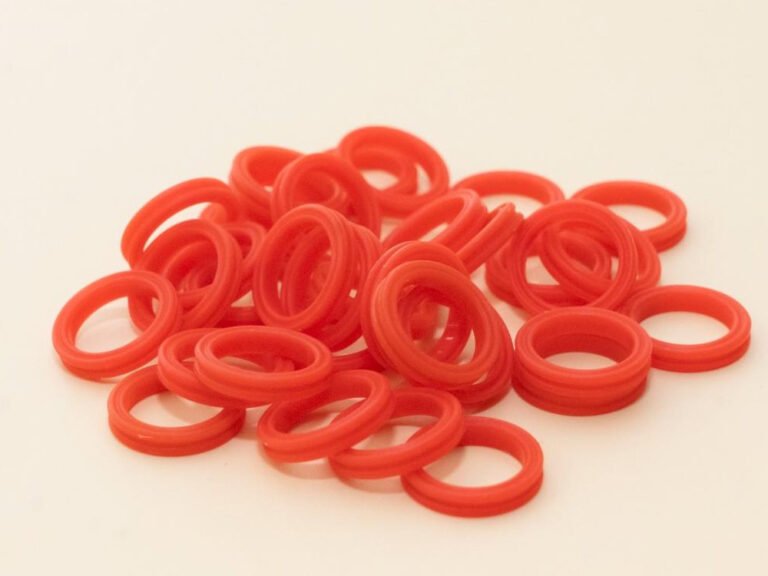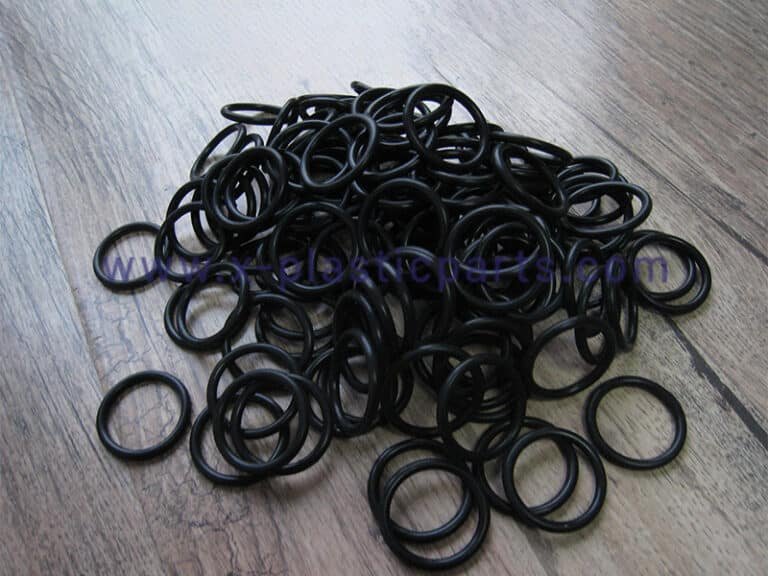
O-rings are essential sealing components in various industries, including manufacturing, automotive, and aerospace. One key aspect of managing these components is understanding o-ring shelf life. “How long do o-rings last?” The answer depends on several factors.
What Is O-Ring Shelf Life?
O-ring shelf life refers to the maximum period an O-ring can be stored before its physical or chemical properties deteriorate. Properly stored O-rings retain their elasticity, resilience, and sealing capability. In contrast, exceeding shelf life can lead to cracks, brittleness, or reduced flexibility, compromising the O-ring’s ability to form a reliable seal. It is important to note that shelf life is distinct from operational or service life, which measures how long the O-ring performs under actual working conditions.
Industry standards specify maximum storage periods for common elastomers. For example, ASTM D2000 provides guidelines for elastomer classification and recommended shelf life ranges. Following these recommendations is essential to avoid unexpected failures and ensure the safety and efficiency of equipment.
When asked, “How long do O-rings last?”, the answer depends largely on the material, storage conditions, and exposure to environmental factors. Without proper storage, even a brand-new O-ring can degrade rapidly, making it unsuitable for use.
Typical Shelf Life of Different O-Ring Materials
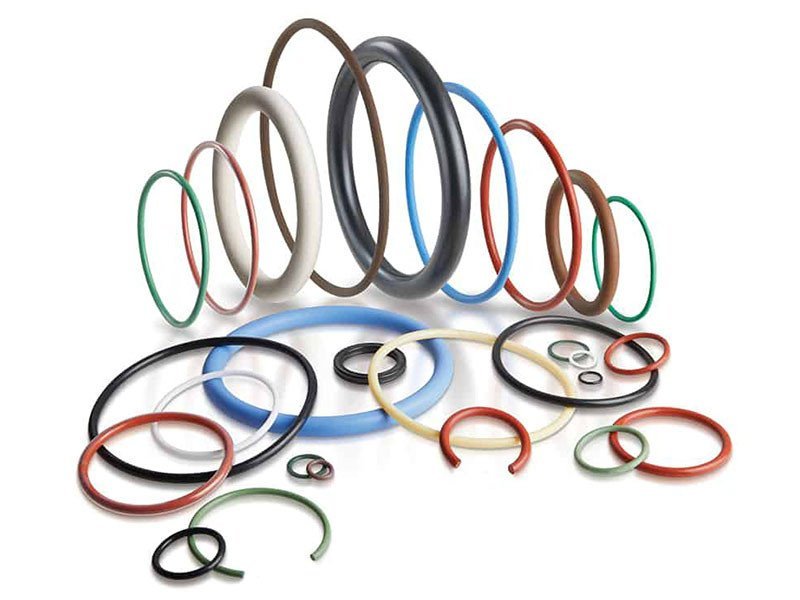
Different O-ring materials have varying chemical stability and resistance to environmental factors, resulting in different shelf life durations. The following table summarizes typical shelf life for common O-ring materials under standard storage conditions:
| Material Type | Typical Shelf Life (Years) | Key Characteristics |
|---|---|---|
| Nitrile (NBR) | Unlimited (or 15-20+) | Resistant to oils and fuels; common in hydraulic systems. |
| Viton (FKM) | 20 | Handles high temperatures and chemicals; used in aerospace. |
| EPDM | Unlimited (or 15-20+) | Good for water and weather exposure; suitable for outdoor applications. |
| Silicone (VMQ) | 20 | Flexible over wide temperature ranges; often in medical devices. |
| Polyurethane (AU/EU) | 5 | Abrasion-resistant; applied in dynamic seals. |
| Neoprene (CR) | 15 | Balanced resistance to oils and weather; general-purpose use. |
| Fluorosilicone (FVMQ) | 20 | Combines silicone and fluorocarbon properties; for specialized military uses. |
| Butyl (IIR) | Unlimited | Excellent gas impermeability; ideal for gas sealing. |
Factors Affecting O-Ring Shelf Life and
Several environmental and handling factors influence O-ring shelf life. Understanding these factors helps in extending the storage period and ensuring optimal performance:
- Temperature: High temperatures accelerate elastomer aging. Storage in cooler conditions can preserve flexibility and prevent premature cracking.
- Oxygen and Ozone: Exposure to air, ozone, or reactive gases can cause surface cracking and reduced elasticity.
- Light (UV): Direct sunlight accelerates degradation for most elastomer materials. Avoid storing O-rings near windows or fluorescent lighting without UV protection.
- Humidity: Excess moisture can affect certain materials, especially natural rubber or composites. Maintaining moderate humidity is recommended.
- Packaging: Original packaging or airtight containers reduce exposure to contaminants and help maintain the O-ring’s chemical integrity.
Proper Storage of O-Rings
To maximize O-ring shelf life, it is important to store them correctly. Best practices include:
- Cool, dry environment: Maintain temperatures below 25°C (77°F) whenever possible, avoiding heat sources.
- Away from chemicals: Keep O-rings away from solvents, oils, and other chemicals that may react with the elastomer.
- Original packaging or sealed containers: Packaging protects against air, dust, and moisture.
- Avoid mechanical stress: Do not stretch, compress, or twist O-rings during storage, as deformation can reduce sealing efficiency.
How to Identify Expired O-Rings?
Even with proper storage, O-rings can reach the end of their shelf life. Identifying expired O-rings prevents the installation of compromised parts. The visual and tactile inspection is a common method. Key indicators include:
- Cracking or brittleness: Visible surface cracks indicate material degradation.
- Loss of elasticity: The O-ring does not return to its original shape after compression or stretching.
- Tackiness or stickiness: Certain elastomers develop a sticky surface as they age.
- Discoloration: Color changes can indicate chemical or thermal degradation.
In addition to visual and tactile inspection, simple tests such as hardness checks or compression set testing can help determine if an O-ring is still within its usable shelf life.
Common Questions About O-Ring Shelf Life
1. Do O-rings expire?
Yes. O-rings can expire. Over time, rubber materials lose elasticity and may crack or harden, even if they are not used.
3. What is the shelf life of nitrile (NBR) o-rings?
Nitrile (NBR) O-rings have a standard shelf life of 15 years from the date of manufacture, according to aerospace standards (SAE AS5316). While often cited as 5–10 years under general conditions, properly stored NBR in controlled environments can last up to 15 years.
4. Can the service life of an O-ring exceed its shelf life?
In some cases, yes. If the O-ring is still in good condition and the application conditions are mild, it may still perform properly. However, it is generally recommended to follow the standard shelf life guidelines.
5. Does storage temperature affect shelf life?
Yes, very much. High temperature speeds up aging and shortens shelf life. Very low temperatures (below 0°C) can also make some materials brittle over time. The recommended storage temperature is 10–25°C (ideally 15–25°C).