
Flame-retardant plastic enclosures play a critical role in protecting electronic devices and electrical systems. They are designed to prevent the spread of fire, ensure electrical safety, and provide mechanical protection for internal components. These enclosures are used across a wide range of industries, from consumer electronics to industrial control equipment.
What Is a Flame Retardant Plastic Enclosure?
A flame-retardant plastic enclosure is a housing made from specially formulated polymers that resist ignition and slow the spread of fire. Unlike standard plastic housings, these enclosures are engineered to withstand high temperatures and prevent electrical hazards. The primary purpose is to protect internal electronics from thermal damage, reduce fire risk, and ensure user safety. Flame-retardant enclosures are commonly found in devices such as routers, industrial control panels, power supplies, and medical equipment.
Key Features of Flame Retardant Plastic Enclosures
Flame-retardant plastic enclosures offer several practical features that make them suitable for demanding environments.
High Heat Resistance
Flame-retardant plastics are designed to endure elevated temperatures without deformation. This property ensures that enclosures can operate safely under continuous heat exposure generated by electronic components. High heat resistance also prevents warping and maintains dimensional stability. Materials used for fire-resistant enclosures typically demonstrate thermal endurance ranging from 100°C to over 150°C, depending on the polymer type and any additives included.
Electrical Safety
Electrical insulation is a fundamental feature of flame-retardant plastic enclosures. These housings prevent accidental contact with live components and reduce the risk of electrical short circuits. Electrical safety extends beyond the material properties and includes design elements such as wall thickness, spacing between conductive components, and proper mounting of internal devices.
Chemical Resistance and Impact Resistance
Flame-retardant enclosures resist exposure to chemicals, oils, and cleaning agents, particularly in industrial or outdoor environments. Chemical resistance preserves the integrity of the housing and prevents premature degradation that could compromise safety. Impact resistance means the enclosure can withstand drops, vibrations, or accidental knocks without cracking, which is essential for portable or mobile equipment.
Compliance with Safety Standards
Safety certifications ensure that flame-retardant plastic enclosures meet recognized fire and electrical protection requirements. Common standards include UL 94, IEC 60695, and other regional or industry-specific regulations. Compliance not only validates the material selection but also guides the design and testing process.
Material Selection for Flame Retardant Plastic Enclosures
Three main categories cover most needs when selecting materials for flame-retardant plastic enclosures.
ABS Flame Retardant Plastic
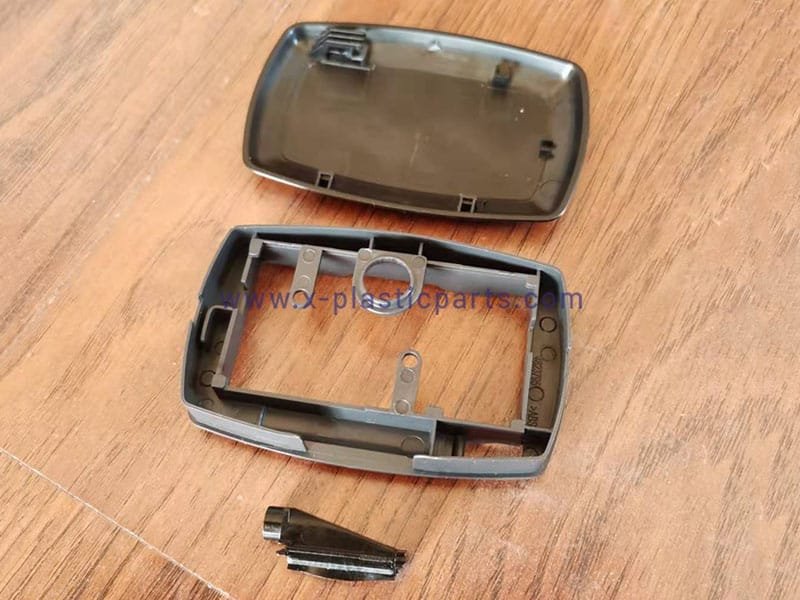
Flame-retardant ABS is widely used because of its good processability and reasonable cost. It flows well during injection molding, which supports complex shapes and thin walls. Grades achieving UL 94 V-0 or V-1 are common for consumer electronics housings and office equipment. The material offers solid impact strength and surface finish options. Limitations appear at very high temperatures, so ABS enclosures suit moderate-duty applications.
PC Flame Retardant
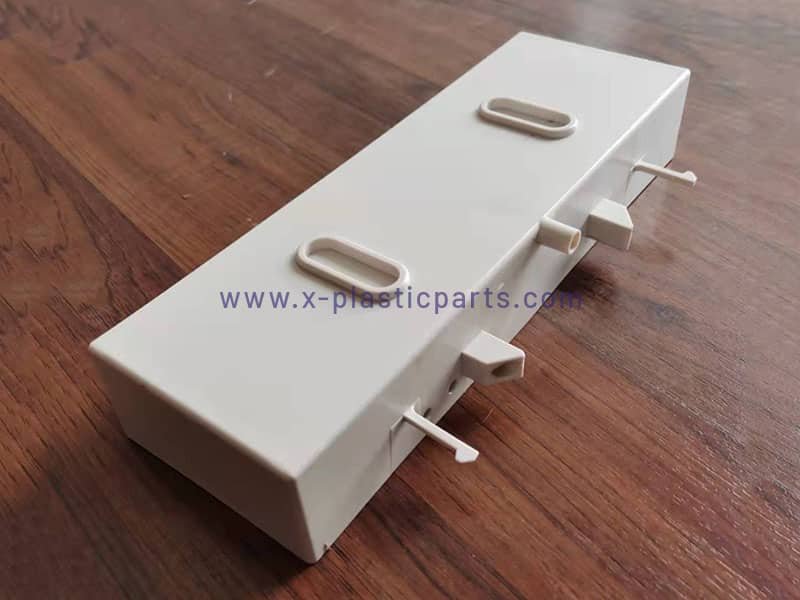
Polycarbonate (PC) provides higher impact resistance and better clarity when transparency is required. Flame-retardant PC grades reach V-0 ratings at thinner sections and handle higher continuous temperatures. This makes them suitable for applications where visibility of internal components or greater mechanical toughness is needed. PC also shows improved dimensional stability under thermal cycling.
Blends and Additives
PC/ABS blends combine the advantages of both resins. These alloys deliver a balanced mix of cost, toughness, and flame performance, frequently with halogen-free retardant systems to meet environmental standards. Additional additives allow customization for UV resistance or specific colors. Our team assists clients in selecting the optimal compound based on required UL rating, wall thickness, and operating conditions.
Design Considerations for Safety and Performance
Effective design of flame-retardant plastic enclosures goes beyond material choice. Four key areas require attention.
Wall Thickness
Wall thickness directly impacts the flame retardancy and mechanical strength of an enclosure. Insufficient thickness can result in deformation under heat, reduced flame resistance, or failure to meet safety standards. Our engineering support includes mold flow analysis to optimize thickness distribution for both safety and manufacturability.
Ventilation and Heat Dissipation
Electronic components generate heat during operation, making ventilation a critical design consideration. Proper venting or heat dissipation channels help maintain safe internal temperatures and prevent overheating. This improves the longevity of both the enclosure and the internal electronics. In high-power applications, thermal simulation helps position vents away from sensitive areas while maintaining the required IP rating.
Installation and Assembly
Ease of assembly is an important factor in fire-resistant enclosure design. The housing must accommodate mounting of internal components, connectors, and cables without compromising structural integrity. Consideration of screws, clips, and snap-fit designs ensures that assembly does not create weak points or reduce fire performance. Our custom service includes integrated bosses for PCB mounting and pre-threaded holes to reduce assembly time.
Environmental Factors
Environmental exposure affects both material selection and enclosure design. Flame-retardant plastic enclosures intended for outdoor use must resist UV radiation, moisture, and chemical exposure. Industrial applications may require resistance to oils, solvents, and repeated mechanical stress. We review operating conditions with clients to recommend suitable materials and surface treatments that maintain flame retardancy over the product’s life.
Applications of Flame Retardant Plastic Enclosures
Flame-retardant plastic enclosures are used in diverse industries.
- Consumer electronics: Houses of routers, chargers, and smart home systems.
- Industrial equipment: Enclosures for control panels, sensors, and automation devices.
- Communication systems: Enclosures for routers, switches, and power distribution units.
- Medical electronics: Houses for diagnostic and monitoring devices.
Conclusion
Flame-retardant plastic enclosures are essential for protecting electronic devices from fire hazards, electrical faults, and environmental stress. Our company offers end-to-end support for custom flame-retardant plastic enclosures. From material recommendation and mold design to production, we help clients bring safe, compliant products to market efficiently.