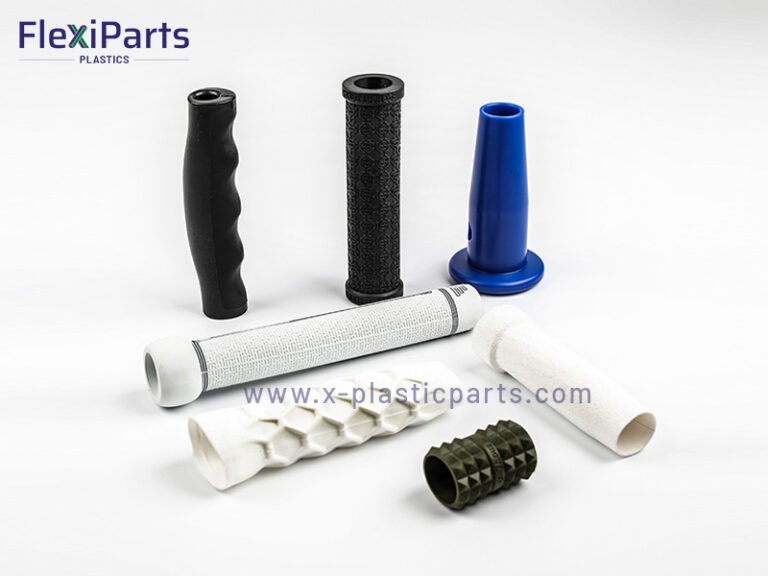
The rubber grip is a critical component in tools, sports equipment, consumer electronics, and daily products. It directly affects holding stability, user comfort, and operational safety. A properly designed rubber grip prevents slipping in wet or oily conditions, reduces hand fatigue during prolonged use, and improves overall product performance.
What Is a Rubber Grip?
A rubber grip is a handle covering or complete grip structure made from flexible rubber-based materials. It is designed to improve friction between the hand and the product surface, ensuring steadier control during use.
Common Types of Rubber Grips
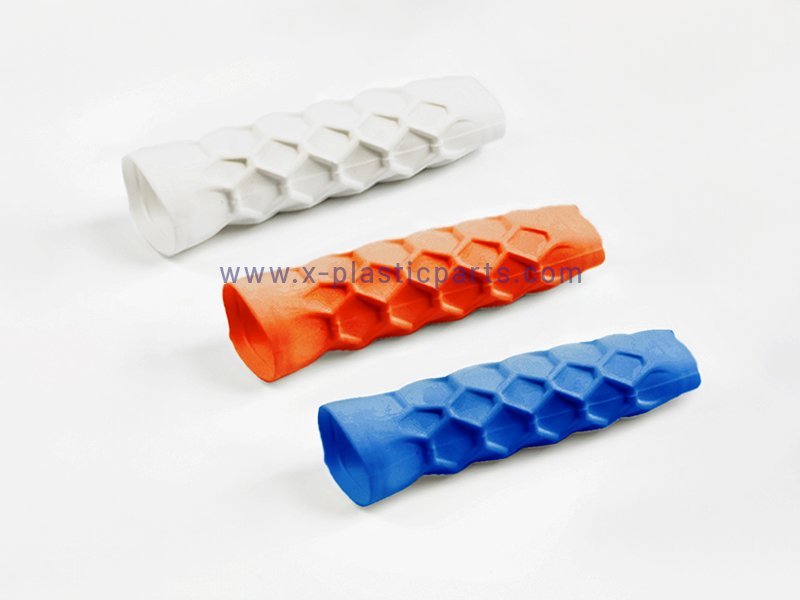
Depending on the final product requirements, there are three main forms that exist.
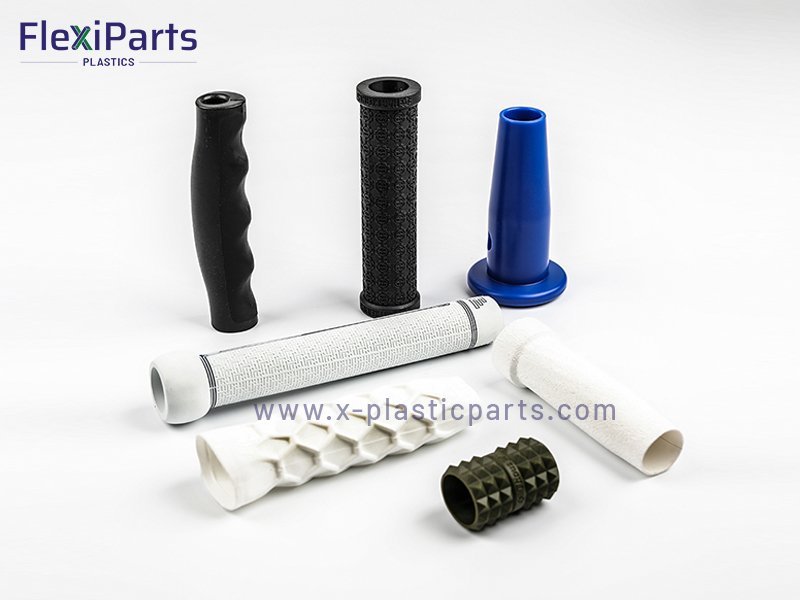
- Grip Sleeves: These are tubular components that fit over a bar, rod, or cylindrical handle. They are commonly used for bike handlebars, fitness equipment, and hand tools.
- Over-Molded Grips: A soft rubber grip material is molded directly over a rigid plastic or metal substrate. This creates a unified, durable structure and eliminates slipping between layers.
- Textured Grips: These grips incorporate detailed surface patterns such as ribs, knurls, bumps, or wave patterns. The rubber grip texture increases friction and helps the hand maintain a secure hold even when moisture, sweat, or oil is present.
Each type can be customized in hardness, thickness, and geometry, depending on ergonomic and functional needs.
Common Rubber Grip Materials
Rubber grips can be manufactured from several materials, each offering unique mechanical and tactile characteristics.
Silicone Rubber
Silicone provides excellent flexibility, aging resistance, UV resistance, odorlessness, temperature resistance, and chemical stability. The temperature range is from –60°C to 230°C. It maintains consistent softness and grip performance in both high and low temperatures, making it ideal for kitchenware, outdoor tools, medical devices, and consumer electronics.
TPE / TPR (Thermoplastic Elastomers)
Thermoplastic elastomers offer good elasticity, abrasion resistance, and a comfortable feel. The hardness is adjustable from 5A to 90A, recyclable, has good processing performance, and is cost-effective. TPE and TPR are suitable for products requiring large-scale production or complex shapes.
NBR (Nitrile Rubber)
NBR offers resistance to oils, fuels, and industrial chemicals. It is frequently used for grips on tools and machinery that come into contact with lubricants or oily environments.
Natural Rubber
Natural rubber provides high elasticity, tear strength, and a classic rubber feel. It is comfortable to grip, supporting strong friction performance. However, it may have limitations in weather resistance and long-term durability compared with synthetic alternatives.

Key Design Considerations for Custom Rubber Grips
A high-quality grip is not defined solely by its material. The following elements are essential.
1. Surface Texture and Anti-Slip Features
Texture directly determines friction performance. Common patterns include introducing ribs, grooves, dots, or patterned surfaces to increase friction. Under wet conditions, a properly designed rubber grip texture can increase the coefficient of friction and reduce the chance of slipping during operation.
2. Hardness (Shore A)
Rubber grips are designed with different hardness levels depending on their purpose. Softer grips provide cushioning and vibration absorption. Harder grips offer more precise control and greater durability.
3. Ergonomic Shape
Palm support zones, finger recesses, and thumb rest areas reduce pressure points and lower hand fatigue during extended use.
3. Color and Surface Finish
Options include matte, glossy, soft-touch coating, dual-color molding, and laser-etched logos for brand identification.
3. Functional Additives
Antibacterial agents, flame retardants, conductive particles, or fragrance microcapsules can be compounded into the rubber grip material when required.
Manufacturing Processes for Rubber Grips
Rubber grips can be formed using multiple manufacturing techniques. The method chosen depends on the geometry, material type, production quantity, and required performance.
Injection Molding
Injection molding service is widely used for TPE, TPR, and some rubber materials. It is efficient for producing over-molded grips and complex shapes in large volumes.
Compression Molding
The compression molding service is suitable for silicone, natural rubber, and other elastomers. It is commonly used for thicker, solid grips or simple grip sleeves. This technique works well for moderate production quantities.
Overmolding
A plastic or metal core is placed in the mold first, then rubber is injected around it to form a permanent chemical and mechanical bond. This method produces durable, integrated grips used in power tools, knives, electronic devices, and high-use equipment.
Extrusion
Extrusion forms long, uniform rubber tubes that can be cut into grip sleeves. This method is practical for sports grips, handlebars, and general-purpose sleeves. It is the highest production speed among all processes.
Liquid Silicone Injection (LSR)
Preferred for food-contact, medical, and baby products due to superior purity and precision.
Applications of Rubber Grips
- Fitness and sports equipment: dumbbells, pull-up bars, bicycle handlebars, jump rope handles
- Hand and power tools: wrenches, screwdrivers, drills, pruning shears
- Kitchen and household items: cookware handles, kettle grips, cleaning tool poles
- Consumer electronics: game controllers, electric toothbrushes, remote controls
- Medical and rehabilitation devices: surgical instrument handles, walking aids
- Automotive and outdoor gear: steering wheel covers, motorcycle grips, trekking poles
Choose the Right Manufacturer with Custom Rubber Grip
A well-executed custom rubber grip significantly improves user experience and product safety without adding noticeable cost in mass production. As a professional manufacturer of customized rubber grips, Flexiparts provides comprehensive solutions that cover material selection, mold development, and mass production. Whether you need prototypes or mass production, we provide technically sound and cost-effective rubber grip solutions.