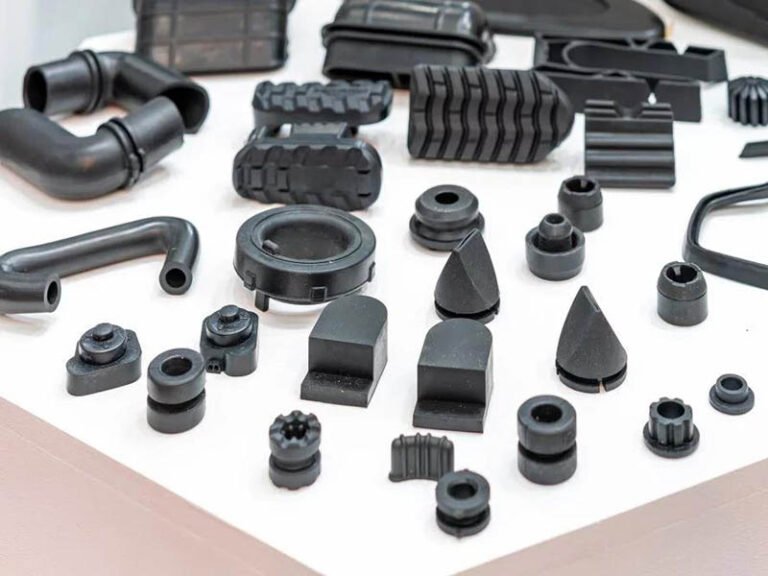
Advantages of injection moulding make it is widely used manufacturing process that allows for the efficient production of complex plastic parts. This technique involves injecting molten material into a mold, where it cools and solidifies to form the desired shape. The versatility of injection molding makes it a popular choice across various industries, including automotive, consumer goods, medical devices, and electronics. With its ability to produce high-quality parts at a rapid pace, injection molding offers significant advantages over traditional manufacturing methods.
In this post, we will delve into the 15 key advantages of injection moulding, providing insights into why this process is often the preferred choice for mass production. Additionally, we will touch on the injection molding advantages and disadvantages, ensuring a well-rounded perspective on this essential manufacturing technique.
1. Fast Production and High Efficiency
Injection molding is well-known for its rapid cycle times, ranging from 10 to 120 seconds. This efficiency allows manufacturers to produce large quantities of parts quickly, significantly reducing production time compared to traditional manufacturing methods. The high efficiency of injection molding makes it a preferred choice for high-volume production.
2. Low Labor Costs
Automation in injection molding reduces the reliance on manual labor. With robotic machines handling tasks such as material loading, machine operation, and quality checks, one operator can manage multiple machines at once. This automation lowers labor costs while boosting productivity, a significant advantage of injection moulding.
3. Design Flexibility
Injection molding allows for the creation of complex designs and intricate parts that may be impossible with other manufacturing processes. The design flexibility offered by injection molding enables manufacturers to produce parts with high precision and detail, meeting the specific requirements of various industries.
4. High Production Output
Once molds are set up, injection molding can produce thousands, or even millions, of identical parts before maintenance is required. This high production output makes injection molding ideal for mass production of standardized parts, offering an excellent advantage in industries needing high-volume manufacturing.
5. Wide Material Selection
One of the main advantages of injection moulding is its versatility in materials. Manufacturers can choose from a wide range of polymers such as polycarbonate (PC), polypropylene (PP), and acrylonitrile butadiene styrene (ABS), allowing for the production of parts with optimal material properties to meet specific application needs.

6. Low Scrap Rates
Injection molding generates minimal waste compared to traditional methods. The only waste typically produced comes from sprues, runners, and defective parts, which can often be recycled. This leads to lower scrap rates, reducing material waste and making injection molding an environmentally friendly option.
7. Consistent Quality and Precision
The repeatability of the injection molding process ensures that parts are consistently produced to the same high standards. This precision makes it ideal for producing parts that require uniformity and consistent quality across large production runs, a key advantage for industries where part reliability is critical.
8. Ability to Include Inserts
Insert molding allows manufacturers to integrate metal or plastic inserts directly into molded parts, creating stronger, more functional components without requiring additional assembly. This design flexibility reduces production time and enhances part performance, offering a unique benefit in injection molding.
9. Good Color Control
Another significant advantage of injection moulding is the ability to achieve excellent color control in the final products. Manufacturers can produce parts in virtually any color using techniques such as masterbatching or compounding.
Masterbatching involves creating a concentrated mixture of pigments and additives within a carrier resin, which is then mixed with the base polymer before injection. This method ensures uniform color distribution throughout the molded part, resulting in consistent and vibrant colors across large production runs.
10. Cost-Effectiveness for Mass Production
Injection molding is renowned for its cost-effectiveness, particularly in mass production scenarios. As manufacturers scale up their production runs, the fixed costs associated with mold creation are distributed over a larger number of parts. This leads to a decrease in cost per unit, making injection molding an economical choice for producing large quantities of identical items.
11. Shortened Product Development Timeline
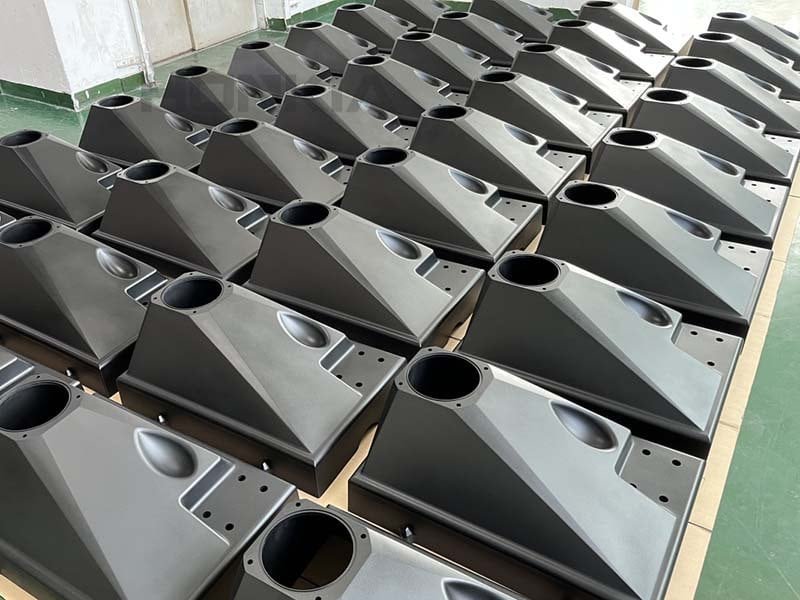
The injection molding process also contributes to a shortened product development timeline. Advanced computer-aided design (CAD) software allows for rapid prototyping and testing of new designs before committing to full-scale production. This iterative approach helps identify potential issues early in the development process, reducing delays associated with traditional manufacturing methods.
12. Lightweight Parts
Another significant advantage of injection moulding is the ability to produce lightweight parts without compromising strength or durability. Injection molding allows manufacturers to design parts that are optimized for weight reduction through the use of advanced materials and innovative design techniques. This characteristic is particularly beneficial in industries such as automotive, aerospace, and consumer goods, where reducing weight can lead to improved performance, fuel efficiency, and overall product effectiveness.
13. Reduced Lead Time for Large Runs
Once the molds are ready, production can begin almost immediately, significantly reducing lead time compared to traditional manufacturing methods. This is particularly valuable for industries requiring rapid production or for handling urgent orders, making injection molding an ideal solution for time-sensitive projects.
14. Enhanced Durability and Strength of Parts
Injection molding can utilize advanced materials such as glass-filled plastics, which increase the strength and durability of parts. This makes it ideal for producing components that must withstand high-impact, high-temperature, or harsh environmental conditions.
15. Customer-Specific Customization
One of the most significant advantages of injection moulding is its ability to offer customer-specific customization. Manufacturers can tailor the design, materials, and features of parts to meet individual client needs. This flexibility allows businesses to produce products that match specific requirements, offering a competitive edge in markets where tailored solutions are essential.