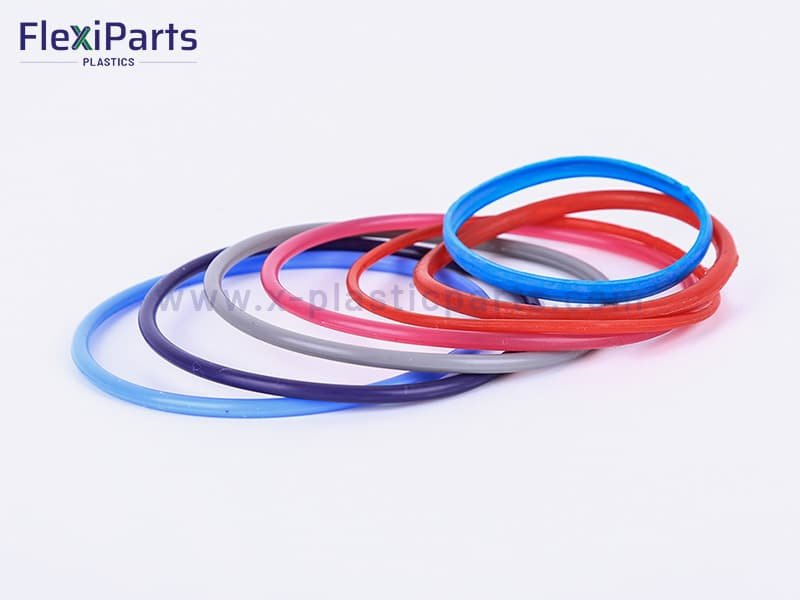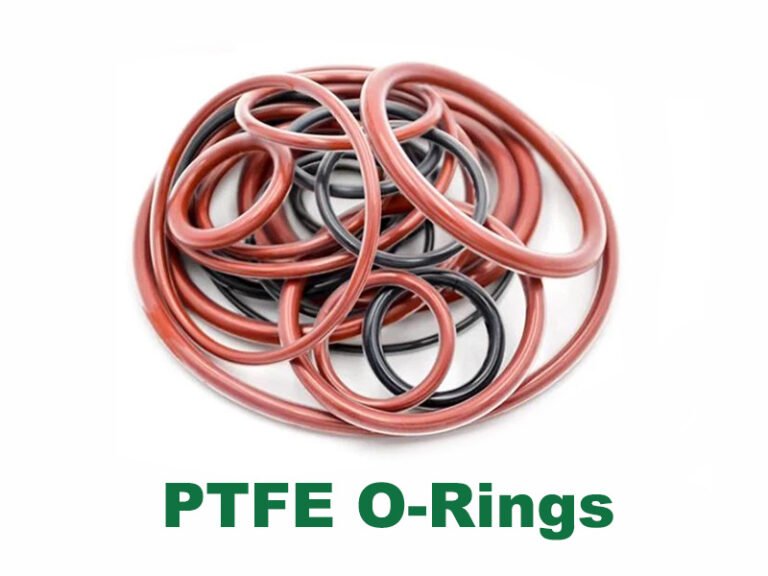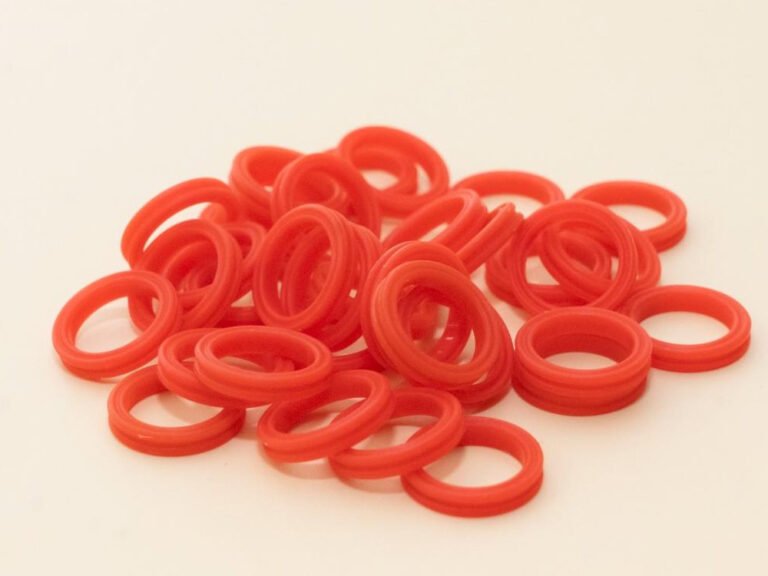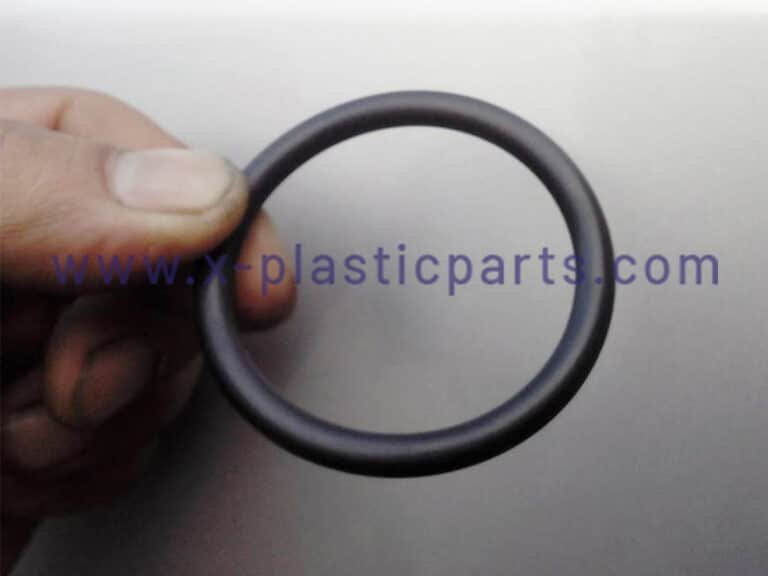
EPDM O-rings are important sealing parts in industries where sealing performance is critical. These EPDM seals are widely used for their durability, flexibility, and ability to withstand extreme conditions.
What is an EPDM O-Ring?
EPDM, or Ethylene Propylene Diene Monomer, is a type of synthetic rubber material that is primarily used to manufacture O-rings. These O-rings are circular sealing components that prevent the leakage of gases or liquids between two mating surfaces. EPDM O-rings are known for their superior resistance to weathering, UV radiation, ozone, and temperature extremes, making them ideal for outdoor and industrial applications.
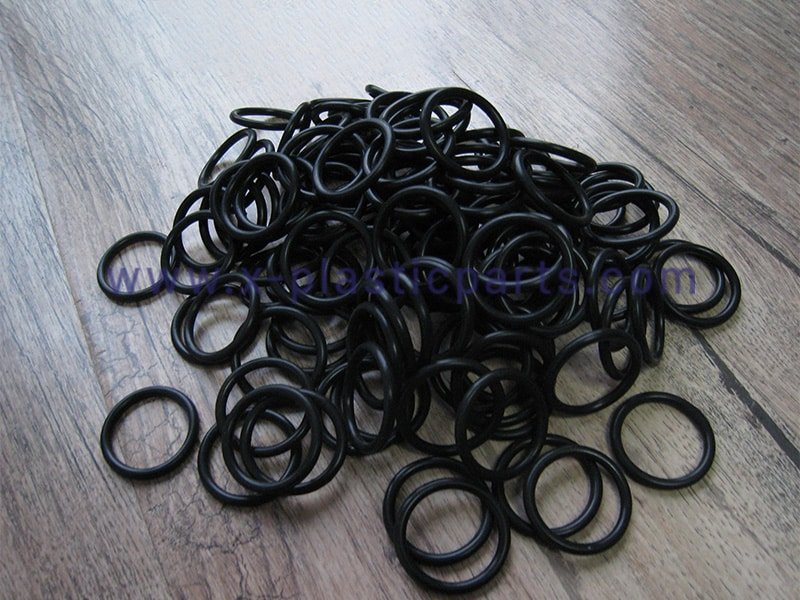
Key Features of EPDM O-Rings
Temperature Resistance: EPDM O-rings can function effectively in a wide range of temperatures, typically from -50°C to 150°C. This temperature tolerance makes them suitable for environments with significant fluctuations in heat and cold.
Ozone and UV Resistance: EPDM O-rings is resistance to ozone and UV radiation. This makes them particularly useful in outdoor applications where exposure to the sun and environmental elements is common.
Chemical Resistance: EPDM O-rings are resistant to water, steam, acids, alkalis, and a range of other aggressive chemicals. However, they are not compatible with petroleum-based oils or fuels, which limits their use in specific applications.
Compression set: EPDM O rings are low permanent deformation after compression, allowing EPDM O-rings to maintain seal integrity over time.
Electrical insulation: EPDM O-rings have high dielectric strength, useful in electrical enclosures.
EPDM O-Ring Types
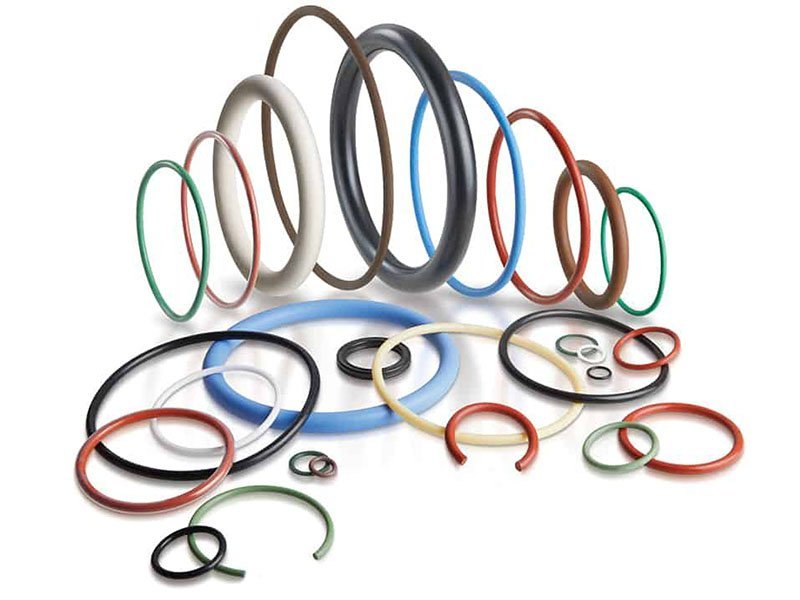
EPDM O-rings come in different formulations and variations to meet specific performance requirements. The most common types include:
- Standard EPDM O-Rings: These are the most commonly used EPDM O-rings, suitable for general-purpose sealing applications in industries such as plumbing, automotive, and construction. They offer reliable performance in standard environments with moderate chemical exposure.
- Viton EPDM O-Rings: A specialized EPDM O-ring enhanced with Viton (fluorocarbon). These O-rings are designed for more demanding environments, offering superior chemical resistance, particularly against oils, fuels, and solvents. They are ideal for applications where more aggressive chemicals or high temperatures are involved.
- High-Temperature EPDM O-Rings: These O-rings are formulated to withstand elevated temperatures, making them ideal for applications such as automotive engine seals, industrial machinery, and other high-heat environments. They retain their sealing properties even in harsh, high-temperature conditions.
EPDM O-rings also come in different types based on curing methods.
- Sulfur-cured: This type offers good mechanical properties at a lower cost, suitable for general applications with temperatures up to +120°C.
- Peroxide-cured: Provides better heat resistance and lower compression set, ideal for high-temperature or steam environments.
In Flexiparts, we can produce these types based on client specifications, including custom compounds for unique conditions.
Advantages of EPDM O-Rings
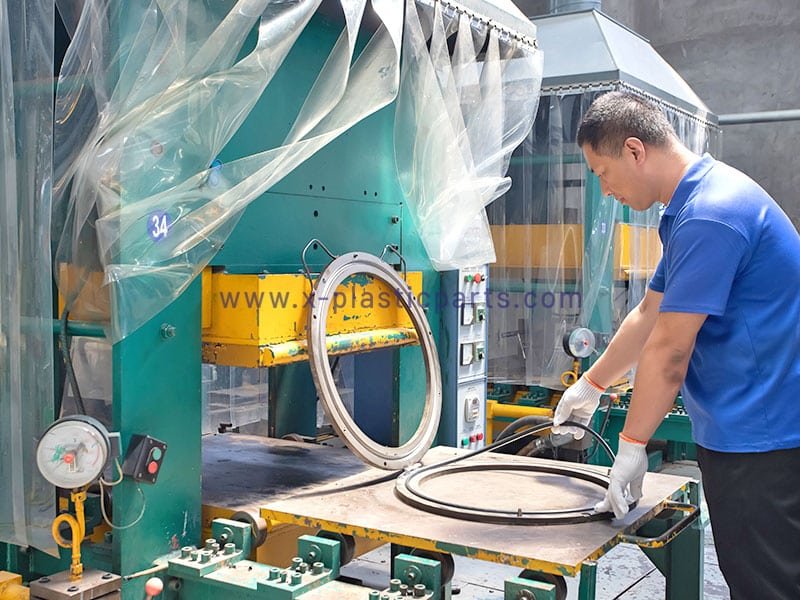
EPDM O-rings offer several significant advantages that make them an excellent choice for sealing applications across various industries.
- Goode Environmental Resistance: EPDM O-ring material does not crack or degrade under prolonged exposure to sunlight, ozone, or moisture, which extends service life in outdoor settings.
- Chemical Resistance: EPDM rubber O-rings perform well in contact with water-based fluids and mild chemicals, reducing the risk of swelling or breakdown.
- High Temperature Stability: EPDM O-rings’ stability in high-temperature environments.
- High Cost Efficiency: The material’s longevity means fewer replacements, lowering overall maintenance expenses. EPDM O-rings are less expensive than some alternatives,s like fluorocarbon seals.
- Compliance with Regulations: Food-grade EPDM O-rings meet sanitary standards, making them suitable for processing industries.
Limitations of EPDM O-Rings
While EPDM O-rings offer several benefits, they also have certain limitations that must be considered when selecting a sealing material for your application.
- Not Suitable for Petroleum-Based Fluids: EPDM O-ring material is not compatible with mineral oils, petroleum-based fuels, aromatic hydrocarbons, halogenated solvents, or concentrated acids. Exposure to these can cause swelling, softening, or complete failure.
- Limited Abrasion Resistance: EPDM is not as resistant to abrasion as some other materials. In abrasive conditions, the material can wear faster than harder compounds.