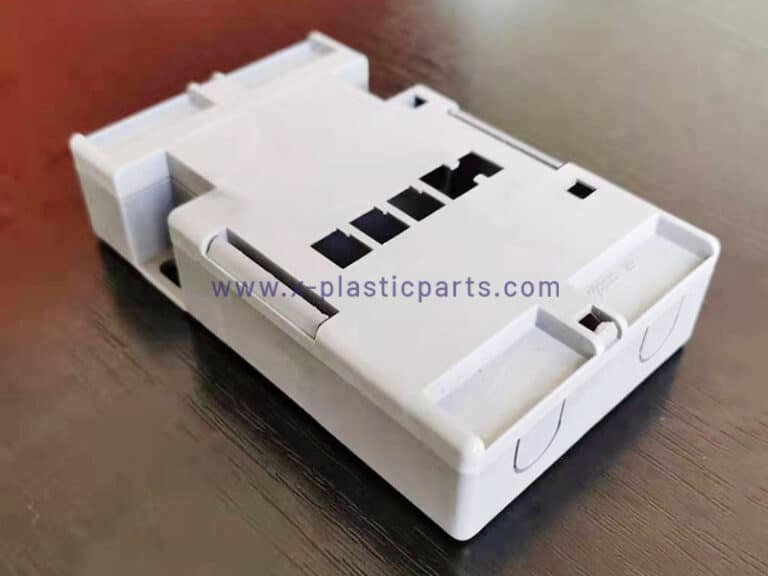
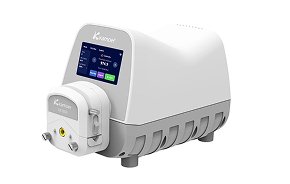
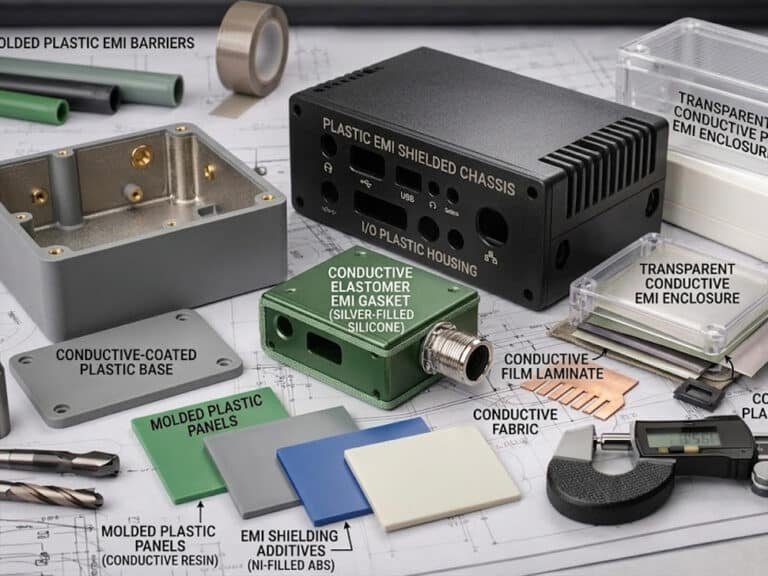
Plastic enclosure applications are diverse because of their durability, lightness, and customizability. They are commonly used in numerous industries, from sleek electronics to industrial machinery, from medical equipment to automotive parts. In this post, we delve into the plastic enclosure world and explore plastic enclosure benefits and applications.
What Are the Plastic Enclosure Applications?
Plastic enclosures are applied across a wide range of industries and products due to their versatility, durability, and cost-effectiveness. They not only provide physical protection for sensitive components but also improve product performance, safety, and design flexibility. In the next sections, we will introduce some common plastic enclosure applications and highlight their specific benefits.
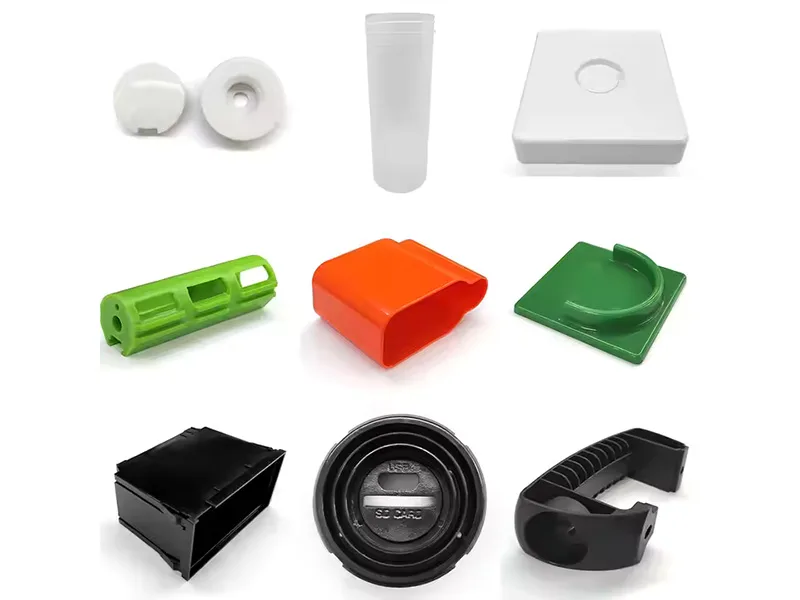
Plastic Electronics Enclosure Applications
Consumer Electronics
Plastic electrical enclosures are widely used in consumer electronics such as smartphones, tablets, and laptops to house electronic components and protect them from damage.
Benefits: They offer lightweight yet sturdy protection, enable sleek and customizable designs, and provide excellent insulation to ensure device safety and user comfort.
Industrial Control Systems
In industrial settings, plastic enclosures house control panels, PLCs (Programmable Logic Controllers), and other electronic devices, providing protection against dust, moisture, and electrical interference.
Benefits: They reduce electrical hazards with non-conductive materials, withstand harsh environments, and allow easy integration of wiring and connectors.
Telecommunications
Plastic enclosures are utilized in telecommunications equipment such as routers, modems, and networking devices to ensure the reliability and performance of communication systems.
Benefits: They shield delicate circuits from electromagnetic interference, support efficient cooling, and can be designed with modularity for faster installation and maintenance.
Plastic Automotive Enclosure Applications
Vehicle Electronics
Plastic enclosures are employed in automotive electronics, including engine control units (ECUs), sensors, and infotainment systems, providing protection against vibration, moisture, and temperature fluctuations.
Benefits: They reduce weight compared to metal housings, which improves fuel efficiency, while ensuring shock resistance and long-term durability.
Exterior Lighting
LED lighting systems in vehicles often feature plastic enclosures due to their durability, lightweight construction, and resistance to UV radiation and harsh weather conditions.
Benefits: They improve energy efficiency by minimizing heat transfer, resist yellowing from UV exposure, and enhance vehicle aesthetics through design flexibility.
Electric Vehicle (EV) Charging Stations
Enclosures for EV charging stations are typically made from durable plastics, offering protection for the internal components and ensuring safe operation in outdoor environments.
Benefits: They provide weatherproof sealing, ensure electrical safety with non-conductive materials, and allow for cost-effective large-scale production.
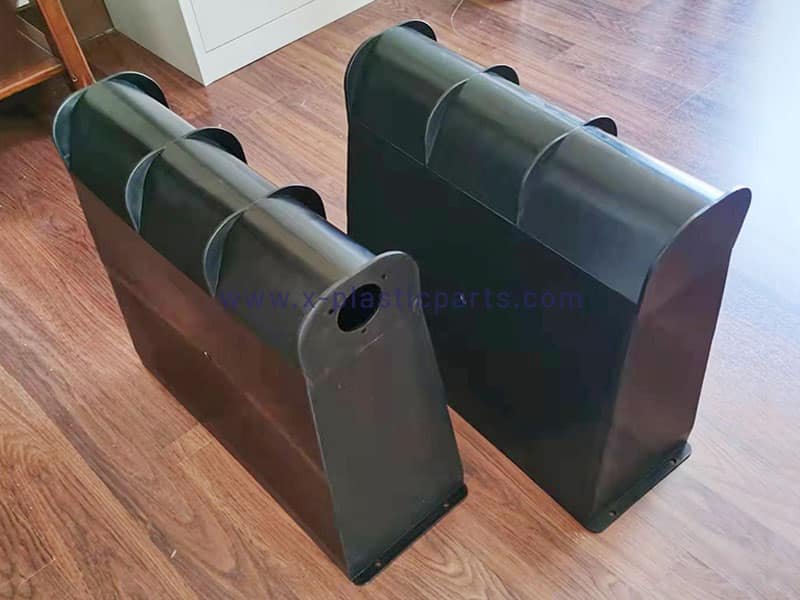
Plastic Medical Devices Enclosure Applications
Diagnostic Equipment
Plastic enclosures house medical diagnostic devices such as ultrasound machines, blood analyzers, and imaging systems, safeguarding sensitive electronic components and ensuring sterile operation.
Benefits: They enable easy cleaning and sterilization, offer chemical resistance against disinfectants, and provide precise housing for sensitive equipment.
Patient Monitoring Devices
Enclosures for patient monitoring devices, such as ECG monitors and pulse oximeters, provide protection against contamination and physical damage, ensuring the accuracy and reliability of patient data.
Benefits: They improve patient safety by offering biocompatible materials, reduce risks of cross-contamination, and ensure lightweight portability for continuous use.
Portable Medical Devices
Plastic enclosures are used in portable medical devices such as insulin pumps, nebulizers, and wearable health trackers, providing lightweight and durable housing for on-the-go healthcare solutions.
Benefits: They offer comfort for patients through compact and ergonomic designs, ensure robustness during daily handling, and maintain consistent performance under mobility.
Plastic Outdoor Equipment
Outdoor Lighting Fixtures
Plastic enclosures are commonly used in outdoor lighting fixtures such as streetlights, floodlights, and garden lights, offering weatherproof protection for electrical components and ensuring long-term reliability.
Benefits: They resist corrosion compared to metals, tolerate extreme weather conditions, and support translucent or colored finishes for better lighting effects.
HVAC Systems
Enclosures for heating, ventilation, and air conditioning (HVAC) systems are often made from durable plastics, providing protection against moisture, dust, and temperature extremes in industrial and commercial settings.
Benefits: They extend equipment lifespan by preventing corrosion, improve energy efficiency by reducing thermal transfer, and simplify maintenance with lightweight construction.
Agricultural Machinery
Plastic enclosures are utilized in agricultural equipment such as irrigation controllers, crop monitoring systems, and agricultural drones, offering rugged protection for electronics in demanding outdoor environments.
Benefits: They provide excellent resistance to chemicals and fertilizers, reduce overall equipment weight for ease of mobility, and maintain reliable function in harsh field conditions.
Conclusion
The versatility of plastic enclosures, coupled with their durability, lightweight construction, and customization options, makes them a preferred choice for engineers, designers, and manufacturers. Whether it’s protecting electronics from moisture and dust, providing impact resistance in automotive applications, or ensuring sterile operation in medical devices, plastic enclosures deliver high performance and adaptability.