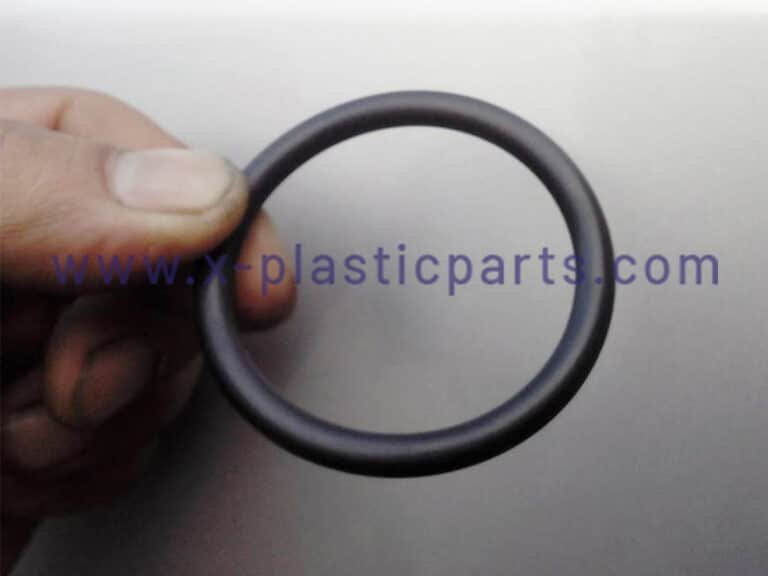
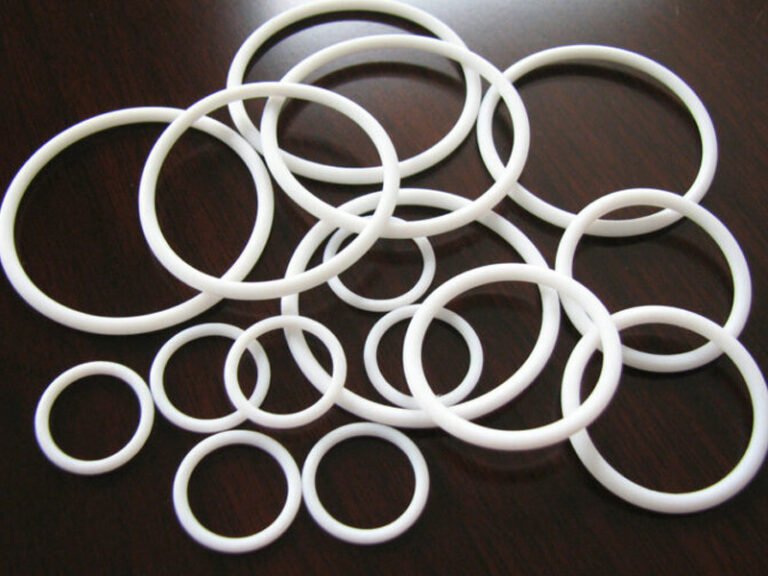
When it comes to sealing applications, the choice of material for O-rings is crucial. Seals must hold up under pressure, temperature shifts, and exposure to various substances. Among the options available, nitrile and silicone O-rings are the most common choices. Both offer distinct advantages depending on the conditions they will face.
What is Nitrile O-Ring?
Nitrile O-rings, made from a copolymer of acrylonitrile and butadiene, are one of the most widely used O-ring materials due to their versatility and durability. Known for their resistance to oils, fuels, and other petroleum-based substances, nitrile O-rings are ideal for applications involving automotive engines, industrial machinery, and hydraulics.
Advantages of Nitrile O-Rings
- Chemical Resistance: Nitrile is highly resistant to oils, lubricants, and petroleum-based chemicals.
- Mechanical Properties: These O-rings provide excellent tensile strength, abrasion resistance, and wear resistance.
- Temperature Range: Nitrile O-rings can operate effectively in temperatures ranging from -40°C to 120°C, which is suitable for most industrial applications.
- Cost: Nitrile O-rings are typically more affordable than silicone, making them a cost-effective option for mass production or projects with budget constraints.
Silicone O-Ring Overview
Silicone O-rings are made from a synthetic polymer composed of silicon-oxygen bonds, offering exceptional flexibility and resilience. Silicone is known for its ability to withstand extreme temperatures, both high and low.
Advantages of Silicone O-Rings
- Wide Temperature Resistance: Silicone O-rings have a broad operating range, typically from -60°C to 200°C. Special compounds can reach -100°C or 260°C.
- Chemical Resistance: While silicone O-rings may not have the same resistance to oils and fuels as nitrile, they excel in environments with exposure to ozone, UV light, and oxidizing agents.
- Low Compression Set: They exhibit low compression set, so they spring back to shape even after long periods under pressure. This property ensures consistent sealing in dynamic conditions.
- Flexibility and Elasticity: Silicone O-rings offer superior flexibility and can maintain their performance even in low-temperature environments where other materials may become brittle.
- Food Safety: Silicone is often used in food-grade applications due to its resistance to contaminants and its ease of cleaning. It meets stringent FDA and EU regulations for food contact applications.
Detailed Comparison of Nitrile vs Silicone O-Rings
Choosing between nitrile and silicone O-rings requires a side-by-side look at their core attributes. The sections below break down the differences across key factors.
Material and Color
Nitrile O-rings use a carbon-based polymer chain, which supports their oil resistance. Silicone O-rings rely on a silicon-oxygen structure for thermal endurance. Color-wise, nitrile typically appears black due to carbon black fillers for UV protection. Silicone comes in multiple options, from white to vibrant reds, aiding quick inspection during maintenance.
Temperature Resistance
Nitrile handles -40°C to 120°C effectively, performing well in standard industrial setups. Silicone extends much further, from -60°C to 200°C, and maintains integrity in both freezing and baking environments.
Chemical Compatibility
Nitrile excels with hydrocarbons, showing high tolerance for oils, fuels, and lubricants. It resists swelling in these media. Silicone, however, performs better with water-based solutions, some acids, and oxidizing agents. It avoids degradation from ozone and weathering. Nitrile suits fuel lines, while silicone fits steam or cleaning solutions.
Mechanical Properties
Nitrile provides superior tensile strength and tear resistance, holding up under high pressure and abrasion. This makes it ideal for heavy machinery. Silicone has lower mechanical toughness but compensates with better resistance to fatigue over cycles. In vibration-heavy equipment, nitrile might wear faster, whereas silicone maintains its shape longer.
Elasticity and Flexibility
Silicone offers exceptional elasticity, with minimal permanent deformation after compression. It stays flexible in cold conditions, which is critical for outdoor or refrigerated applications. Nitrile is less elastic at extremes, becoming stiffer below -20°C.
Food-Grade and Safety
Silicone O-rings frequently comply with food-contact regulations like FDA 21 CFR 177.2600. Nitrile also has food-grade versions, but they are less widespread and require specific certifications. In medical or beverage lines, silicone is the safer default due to its inert nature and low extractables.
Cost
Nitrile O-rings cost less per unit than silicone equivalents, and they ship faster from stock. This favors high-volume production. Silicone’s higher pricing reflects its specialized compounding and testing. For prototypes or low runs, the initial expense may be offset by longer service life in demanding conditions.
Conclusion
In nitrile vs silicone o-rings, the choice comes down to matching material traits to operating conditions. Nitrile works well for oil-rich, cost-sensitive environments with moderate temperatures. Silicone is better for wide thermal ranges, flexibility needs, or food and medical compliance.
Flexiparts specializes in custom O-ring production for both materials. We handle material selection, compound optimization, and rapid prototyping for small or large batches. Welcome to contact Flexiparts and get expert advice on your project.