Nitrile O-rings are one of the most widely used sealing solutions in industries where resistance to oils, fuels, and chemicals is required.
What is Nitrile (NBR) O-Ring?
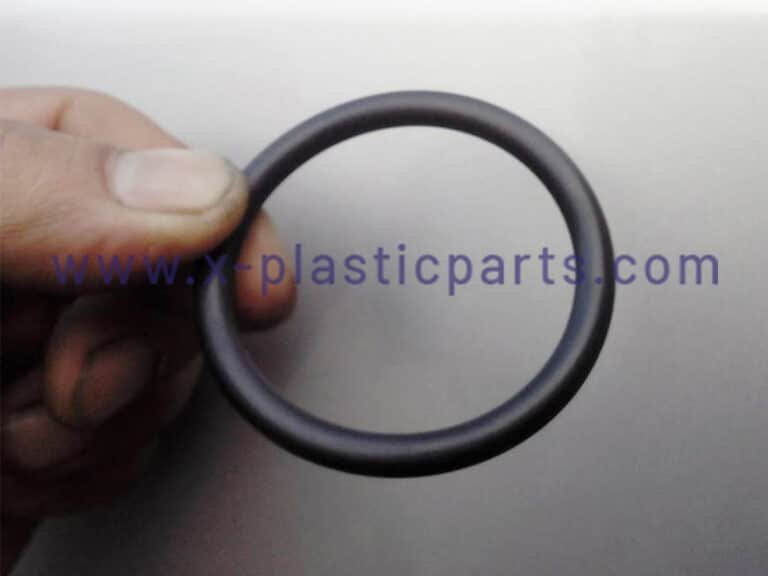
A nitrile O-ring is a type of sealing component made from nitrile rubber, also known as NBR rubber O-ring. They are designed to prevent leakage in static or dynamic applications. They fit into grooves and compress to form a barrier against fluids or gases. Nitrile rubber is durable, flexible, and provides a strong seal under pressure.
Material Composition of Nitrile O-Rings
Nitrile rubber is made by polymerizing acrylonitrile and butadiene, which gives it a balance of excellent mechanical strength and good chemical resistance. The acrylonitrile content typically ranges from 18% to 50%, with higher acrylonitrile content increasing resistance to oils and fuels but decreasing flexibility at low temperatures. Additives like carbon black for reinforcement, plasticizers for flexibility, and antioxidants for longevity are often included. These elements allow customization for specific needs.
Key Characteristics of Nitrile O-Rings
Chemical Resistance: One of the standout features of nitrile O-rings is their exceptional resistance to oils, fuels, and other petroleum-based chemicals.
Temperature Range: Nitrile O-rings generally perform well within a temperature range of -40°C to 100°C (-40°F to 212°F), making them suitable for both high and low-temperature applications.
Mechanical Strength: The material is known for its good tensile strength, allowing nitrile O-rings to withstand pressure and compression without losing their sealing integrity.
Durability: Nitrile rubber O-rings also exhibit resistance to wear and tear, making them durable in harsh conditions, especially where there is constant movement or pressure.
| Property | Typical Value |
|---|---|
| Temperature Range | -40°C to +120°C |
| Hardness (Shore A) | 70-90 |
| Tensile Strength | 10-20 MPa |
| Elongation | 200-500% |
| Compression Set | 20-30% |
Types of Nitrile O-Rings
Nitrile O-rings come in various formulations and designs to suit different applications. The types of nitrile O-rings can be categorized primarily by their acrylonitrile content and specific features:
- Standard Nitrile O-Rings: These O-rings are made with a balanced amount of acrylonitrile (typically around 18% to 30%). They provide good general-purpose sealing for oil-resistant applications but are not ideal for extreme conditions.
- High-Acrylonitrile Nitrile O-Rings: High-acrylonitrile nitrile O-rings (30% to 50% acrylonitrile content) offer enhanced resistance to oils, fuels, and petroleum-based chemicals.
- Low-Acrylonitrile Nitrile O-Rings: These O-rings have a lower acrylonitrile content, generally around 18% or lower. They are better suited for applications requiring flexibility at low temperatures and are commonly used in refrigeration systems and cold storage applications.
- Nitrile O-Rings with Special Additives: Some nitrile O-rings are treated with additives such as antioxidants, plasticizers, and lubricants to improve their performance under extreme conditions.
Main Advantages of Nitrile O-Rings
Nitrile O-rings offer several benefits that make them suitable for many applications.
- Excellent resistance to petroleum-based oils, including mineral, vegetable, and animal oils.
- Good compatibility with fuels like gasoline and diesel.
- Strong mechanical properties, such as high tear resistance and abrasion tolerance.
- Low compression set for maintained sealing over time.
- Cost-effective compared to specialized elastomers like silicone or fluorocarbon.
- Wide availability in standard sizes, following specifications like AS568 or ISO 3601.
- Easy installation and compatibility with common groove designs.
- Resistance to water and dilute acids in moderate conditions.
- Good aging properties when protected from ozone and UV.
- Versatility across static and low-speed dynamic seals.
Limitations of Nitrile O-Rings
While nitrile O-rings perform well in many scenarios, they have specific limitations that require attention.
- Poor resistance to ozone and weathering, leading to cracking in outdoor exposure.
- Incompatibility with strong acids, bases, and polar solvents like ketones, esters, and ethers.
- Performance degradation at temperatures above 100-110°C for extended periods.
- Brittleness at low temperatures below -30°C, especially in high-acrylonitrile formulations.
- Not suitable for direct food or potable water contact unless certified FDA-grade.
- Potential swelling in aromatic hydrocarbons or chlorinated solvents.
- Limited resistance to brake fluids based on glycol.
Common Applications of NBR O-Rings
Nitrile O-rings are used in a variety of industries. Some of the most common applications include:
Automotive Industry: Nitrile O-rings are extensively used in fuel systems, brake systems, and under-the-hood components.
Hydraulic Systems: Nitrile O-rings are commonly used in hydraulic machinery such as hydraulic pumps, cylinders, and valves.
Oil and Gas Industry: Nitrile rubber O-rings are frequently used in oil pipelines, pumps, and valves.
Industrial and Manufacturing: Nitrile O-rings in pumps, compressors, and valves.
Food and Beverage: Nitrile O-rings can also be used in food and beverage applications where they are exposed to oils and food fats.
How to Choose the Right Nitrile O-Ring?
Choosing the right nitrile O-ring involves considering several factors to ensure optimal performance:
- Temperature Tolerance: Ensure that the nitrile O-ring can operate within the required temperature range for your application.
- Chemical Exposure: Determine the chemicals the O-ring will come into contact with, particularly oils, fuels, and other petroleum-based substances.
- Size and Hardness: Selecting the right size and durometer (hardness) is essential to achieve a proper seal and avoid leakage.
- Environmental Factors: Consider exposure to UV light, ozone, and other environmental factors that may affect the longevity of the O-ring.
Conclusion
Nitrile O-rings excel in oil-resistant applications while being economical. Nitrile rubber O-rings, NBR rubber O-rings, and O-ring NBR variants address a wide range of needs, from automotive to industrial. Flexipartrs is experienced in the custom O-rings Manufaccturing. For specific requirements, consulting Flexiparts provides tailored recommendations.