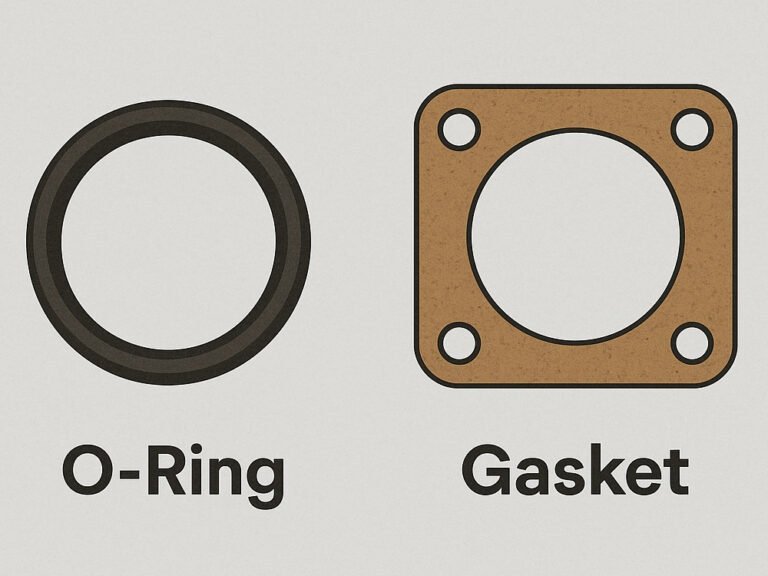
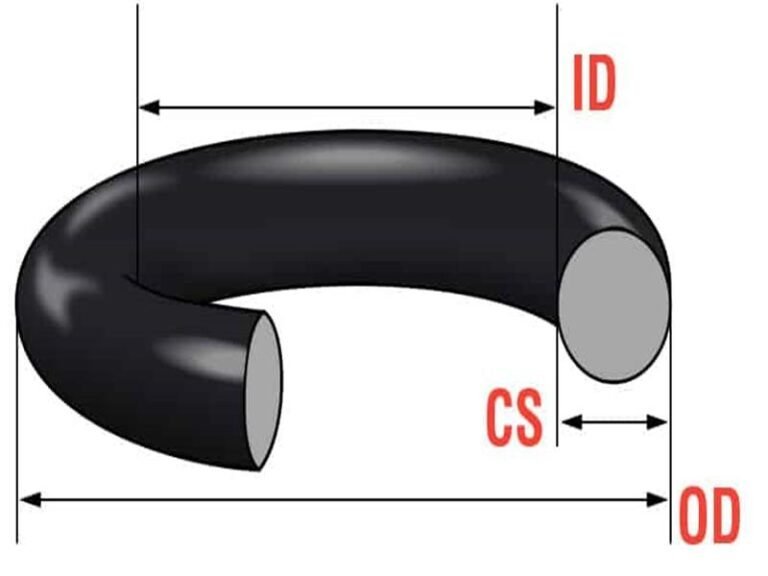
Properly lubricating O rings is a crucial step in ensuring the longevity and performance of sealing systems. From industrial machinery to automotive applications, the right lubrication reduces friction, minimizes wear, and maintains effective sealing.
What Is O Ring Lubrication?
Lubricating O rings involves applying a compatible substance to the surface of the O ring or its mating components to reduce friction during installation and operation. The process ensures smoother assembly, prevents damage to the O ring material, and supports optimal sealing. Without proper lubrication, O rings can experience premature wear, tearing, or failure under dynamic or static conditions.
How Lubrication Improves O-Ring Performance?
Lubrication provides several improvements to O-ring performance, lower maintenance costs and fewer failures.
First, it reduces installation friction. During assembly, O-rings can stretch or twist, leading to cuts or tears. An appropriate O-ring lubricant lowers the insertion force by up to 50-70 percent, depending on the material and groove design.
Second, in operation, lubricating O-rings decreases wear. Friction generates heat, which accelerates aging in rubber compounds. With lubrication, the friction coefficient drops, extending the service life. Studies show that lubricated O-rings in dynamic seals can last two to three times longer than unlubricated ones.
Third, lubrication enhances sealing efficiency. It fills surface imperfections in the groove, creating a more uniform contact. This reduces leakage paths, especially under pressure variations.
Fourth, it protects against environmental factors. Lubricants can act as barriers to moisture, dust, or chemicals, slowing corrosion or oxidation.
Common O-Ring Lubricant Types
Several types of lubricants are available for O-rings. Each has specific properties suited to different conditions.
| Lubricant Type | Chemical Compatibility | Temperature Range | Notes |
|---|---|---|---|
| Silicone-based | Satisfactory | -60°C to +200°C | Water-resistant, non-reactive; common for general/static use; avoid on silicone O-rings (causes swelling); suitable for water systems and food-grade applications |
| PTFE-based | Excellent | -70°C to +260°C | Very low friction, chemically inert; ideal for dynamic seals and aggressive chemicals; higher cost |
| Grease (petroleum-based) | Moderate | -20°C to +120°C | Low cost and easy to apply; avoid with most elastomers due to swelling or drying; limited to low-demand, non-critical industrial settings |
| Fluorinated grease (PFPE) | Excellent | -90°C to +300°C | Extremely wide temperature range, oxygen-safe, long service life; best for extreme environments; more expensive |
| Ester-based | Good | -50°C to +180°C | Low volatility, better biocompatibility; often used in automotive/hydraulic systems; compatibility testing recommended with fluororubbers |
How to Choose the Right Lubricant for Your O Ring Material
Selecting the correct lubricant involves matching it to the O-ring material and application. Consider the following factors when choosing an O ring lubricant:
- Material Compatibility: The lubricant must not react chemically with the O ring material.
- Operating Temperature: Ensure the lubricant maintains performance under both minimum and maximum operating temperatures. Silicone is ideal for extreme temperatures, while fluorinated oils are suitable for high-heat applications.
- Application Type: For static seals, minimal lubrication may suffice, whereas dynamic seals require a lubricant that reduces friction over repeated motion.
- Chemical Exposure: Evaluate the environment where the O ring will be used. If the seal is exposed to solvents, acids, or other chemicals, select a chemically resistant lubricant such as PTFE or fluorinated oils.
- Regulatory Requirements: For food, pharmaceutical, or medical applications, choose a lubricant approved for contact with consumable products.
Best Practices for Lubricating O Rings and Installation
Correct installation is as important as the choice of lubricant. Implement the following best practices:
- Clean surfaces: Ensure both the O ring and mating surfaces are free from dust, debris, or old lubricant. Contaminants can cause uneven wear or leaks.
- Apply lubricant evenly: Coat the entire surface of the O ring with a thin, consistent layer. Over-application can attract dirt, while under-application increases friction.
- Follow manufacturer guidelines: Always follow the lubricant manufacturer’s recommendations for the type and amount of lubricant to apply.
- Check for defects: Inspect O rings for cracks, cuts, or deformation before installation. Defective O rings should be replaced.
- Avoid twisting or stretching: While inserting O rings into grooves, avoid excessive stretching or twisting, which can damage the seal.
Common Mistakes and How to Correct Them When Lubricating O Rings
Most lubrication-related issues arise from incompatible lubricants, incorrect application techniques, or skipping lubrication entirely. Identifying these problems and applying the correct solutions helps prevent repeat issues and improves overall system reliability.
Installation Damage (tears, cuts, twisting): Insufficient or no lubricant applied before installation. Always apply a thin, even layer of compatible lubricant to the O ring just before assembly.
Premature Wear/Abrasion (dull or chafed surfaces in dynamic seals): Inadequate lubrication, wrong lubricant type (low film strength), or contaminated lubricant. Ensure continuous lubrication with a product designed for dynamic use. Consider internally lubricated O rings or dry film coatings for harsh conditions.
O-Ring Swelling or Shrinking: Chemical incompatibility between the lubricant and the O-ring materialVerify lubricant compatibility with the O-ring elastomer and all system media using manufacturer data and compatibility charts.
O-Ring Hardening or Cracking: Lubricant breakdown at temperatures beyond its service limit or chemical attack from an incompatible lubricant. Select a lubricant with a temperature range exceeding the system’s operational extremes and confirm chemical compatibility.
Best Practices Checklist for Lubricating O-Rings
Pre-Installation Checks
- Verify O-ring size, material, and durometer match specifications.
- Clean groove and O-ring surfaces.
- Confirm lubricant compatibility with material and conditions.
Proper Lubrication
- Apply thin, even coat to O-ring and groove.
- Use tools for precise application.
- Avoid excess to prevent buildup.
Selecting Compatible Lubricant
- Choose based on material (e.g., silicone for NBR).
- Consider temperature, chemicals, and regulations.
- Test if uncertain.
Regular Maintenance Schedule
- Inspect static seals every 12-24 months.
- Check dynamic seals every 3-6 months.
- Re-lubricate during disassembly.
Conclusion
Lubricating O rings is a fundamental step in achieving reliable sealing and extending component life. Proper selection and application of an O-ring lubricant prevent common failures. Flexiparts offers custom O-rings tailored to specific needs. We provide material selection, compatibility testing, and lubrication advice. Contact us and get a custom solution for high-quality O-rings.